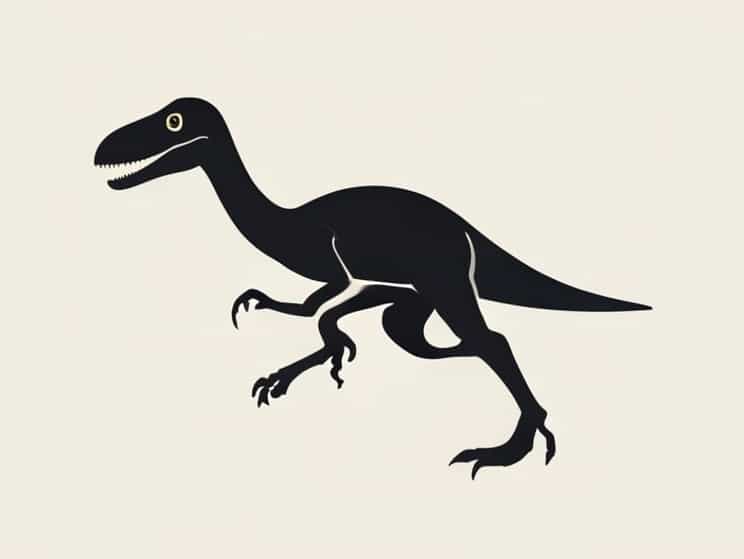
The fascinating world of dinosaurs continues to captivate both scientists and enthusiasts, particularly when it comes to unique species like Asa gigantoraptor. Known for its enormous size and bird-like features, this dinosaur has sparked extensive research on its behavior, ecology, and evolutionary significance. One of the intriguing areas of study involves the concept of imprinting and the potential for mismatches in early developmental stages, which can profoundly influence behavior and social interactions. Understanding the dynamics of Asa gigantoraptor imprinting mismatches sheds light on broader evolutionary strategies and the complex relationship between dinosaur hatchlings and their environment.
Overview of Asa Gigantoraptor
Asa gigantoraptor is a member of the oviraptorosaur group, a clade of theropod dinosaurs that lived during the Late Cretaceous period. Fossils of this species suggest it was one of the largest known oviraptorosaurs, exhibiting a combination of bird-like features and predatory adaptations. Its long limbs, beak-like snout, and feather-like structures indicate that Asa gigantoraptor occupied a unique ecological niche, likely combining foraging, predation, and complex social behaviors. Paleontologists have studied its anatomy to gain insights into locomotion, feeding strategies, and potential interactions with other species.
Anatomical Features
- Size and BuildAsa gigantoraptor could reach impressive lengths, with strong, elongated limbs suitable for both running and grasping prey.
- Beak StructureIts beak-like snout suggests an omnivorous diet, potentially including plants, small animals, and eggs.
- Feathered LimbsFossil evidence indicates the presence of feather-like structures, supporting hypotheses about display behaviors and thermoregulation.
- Clawed Hands and FeetAdapted for grasping, climbing, or hunting, these features suggest behavioral versatility.
The Concept of Imprinting in Dinosaurs
Imprinting is a critical developmental process observed in modern birds and some reptiles, where young animals form attachments to caregivers or parental figures. In dinosaurs, imprinting likely played a similar role, influencing social behaviors, foraging patterns, and predator avoidance. Hatchlings may have relied on visual, auditory, or olfactory cues to recognize parents or group members, establishing bonds that enhanced survival during vulnerable early stages.
Mechanisms of Imprinting
Imprinting typically occurs within a sensitive period after birth or hatching, during which young animals are highly receptive to specific stimuli. For Asa gigantoraptor, imprinting might have involved
- Following adult figures for protection and guidance.
- Learning dietary preferences and foraging techniques from parental models.
- Recognizing social cues and establishing hierarchies within juvenile groups.
Imprinter Mismatch in Asa Gigantoraptor
An imprinter mismatch occurs when the young attach to inappropriate or incorrect models during the sensitive period, potentially disrupting normal social and survival behaviors. In Asa gigantoraptor, such mismatches could result from environmental stressors, absence of parental figures, or exposure to other species that confuse hatchlings. Understanding the implications of these mismatches offers a window into the adaptive challenges faced by prehistoric species.
Causes of Imprinter Mismatch
- Environmental DisruptionChanges in habitat, predator presence, or climate could separate hatchlings from their parents.
- Parental LossPredation or accidental death of caregivers may force young dinosaurs to imprint on unrelated individuals or species.
- Species ConfusionCoexisting species with similar behaviors or appearances might serve as accidental imprint targets.
Consequences of Mismatched Imprinting
Imprinter mismatches can have profound effects on Asa gigantoraptor development, including
- Impaired social integration within conspecific groups.
- Increased vulnerability to predators due to lack of appropriate protective behaviors.
- Altered feeding habits or inefficient foraging, affecting growth and survival.
- Potential influence on reproductive behaviors, leading to challenges in mate selection or nesting.
Research and Evidence
Studying imprinting and mismatches in extinct species like Asa gigantoraptor relies on indirect evidence, such as fossilized nesting sites, juvenile skeletal morphology, and comparisons with modern birds and reptiles. Paleontologists examine the spatial arrangement of fossils within nests to infer parental care behaviors, while bone histology helps determine growth rates and developmental stages. Such studies provide clues about the potential for imprinting and the consequences of early life disruptions.
Fossil Nesting Sites
Fossilized nesting sites of oviraptorosaurs suggest that adults may have guarded or incubated their eggs. Clutches found in circular arrangements imply coordinated parental care, which could facilitate normal imprinting. Disruptions to these sites, whether by environmental events or predation, may have increased the likelihood of imprinter mismatch among hatchlings.
Comparative Studies with Modern Birds
Modern birds, as descendants of theropod dinosaurs, provide valuable analogs for understanding imprinting behaviors. Research shows that chicks imprint on the first moving object they encounter, which strongly influences subsequent social behaviors. By comparing these patterns to fossil evidence, scientists infer that similar mechanisms likely existed in Asa gigantoraptor.
Implications for Evolutionary Biology
Studying imprinting mismatches in Asa gigantoraptor contributes to broader understanding of evolutionary strategies and survival mechanisms. Early attachment behaviors could affect fitness, social structure, and species resilience. Recognizing the role of imprinting in dinosaur development emphasizes the importance of parental care, learning, and social interactions in evolutionary adaptation.
Adaptive Significance
- Ensures that young acquire critical survival skills through observation and imitation.
- Maintains social cohesion and group cooperation in juvenile populations.
- Enhances reproductive success by fostering appropriate mate recognition behaviors.
Broader Ecological Implications
Imprinter mismatches may have influenced population dynamics, predator-prey interactions, and interspecies relationships. Juveniles failing to integrate socially or adapt feeding strategies could contribute to higher mortality rates, shaping the evolutionary pressures acting on species like Asa gigantoraptor.
Asa gigantoraptor provides a fascinating case study for understanding imprinting and the potential consequences of mismatches in early development. By examining fossil evidence, comparative biology, and evolutionary theory, scientists gain insights into how attachment behaviors influenced survival, social integration, and adaptive strategies in prehistoric ecosystems. Imprinter mismatches highlight the delicate balance between environmental factors, parental care, and innate behavioral tendencies, emphasizing the complex interplay of biology and ecology in shaping the life histories of extraordinary species like Asa gigantoraptor. These studies not only illuminate the past but also enhance our understanding of the evolutionary continuity between dinosaurs and modern birds, revealing the enduring significance of early life behaviors in shaping species success.