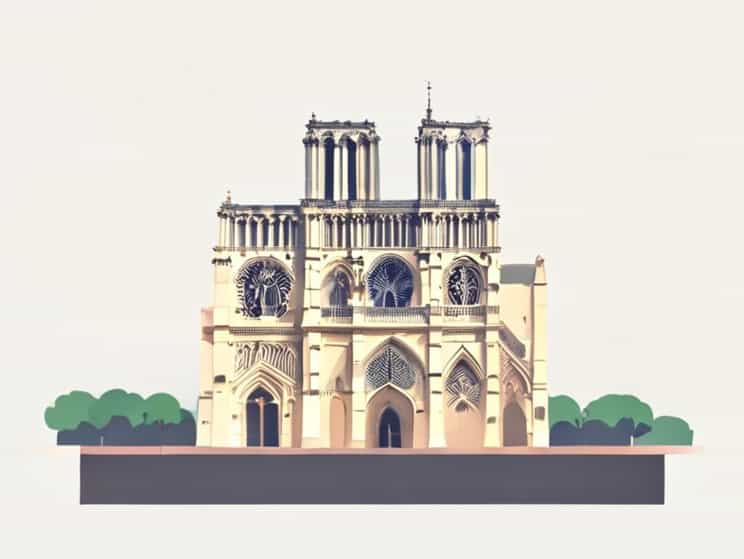
The Notre Dame Basilica is one of the most iconic landmarks in the world, admired for its breathtaking architecture, religious significance, and deep cultural heritage. Over the centuries, it has become a symbol of devotion, artistry, and resilience. Millions of visitors are drawn to this basilica each year, captivated by its stunning interiors, magnificent stained-glass windows, and the sense of history that surrounds its walls. More than just a religious site, the Notre Dame Basilica is also a reflection of human creativity and determination, standing as a testament to the endurance of spiritual and cultural traditions.
Historical Background
The origins of Notre Dame Basilica trace back to the medieval period when ambitious builders sought to create monumental places of worship. Construction began in the 12th century and extended across nearly two hundred years, involving countless artisans and architects. The basilica was designed in the Gothic style, a choice that distinguished it from earlier Romanesque churches and gave it soaring heights, pointed arches, and intricate details.
Construction Timeline
- Groundbreaking in the 12th century during the reign of King Louis VII.
- Major structural work completed in the 13th century, with additional modifications in later centuries.
- Restoration and renovations carried out during the 19th century after periods of decline.
Architectural Features
The Notre Dame Basilica is world-renowned for its architectural mastery. Gothic architecture, with its innovative use of flying buttresses, allowed the walls to rise higher and incorporate expansive stained-glass windows. Every corner of the basilica tells a story, with sculptures, carvings, and intricate designs that reflect the artistry of medieval craftsmen.
Main Architectural Highlights
- Rose WindowsThe basilica is famous for its stunning rose windows, which depict biblical scenes in radiant colors.
- Flying ButtressesThese external supports enabled higher ceilings and thinner walls.
- Twin TowersThe iconic twin towers have become a recognizable feature of the Parisian skyline.
- Interior VaultsRibbed vaults that add both strength and aesthetic beauty to the interior.
Religious Importance
Notre Dame Basilica is not just an architectural marvel but also a place of profound religious significance. For centuries, it has served as a center of worship, hosting countless masses, ceremonies, and religious gatherings. It is dedicated to the Virgin Mary, whose name Notre Dame translates to Our Lady.
Spiritual Role
- Host of major Catholic liturgies and events.
- Site of coronations, royal weddings, and state funerals.
- A symbol of Catholic faith for the people of France and beyond.
Cultural and Historical Events
Throughout history, the Notre Dame Basilica has been at the center of major cultural and political events. From royal coronations to revolutionary upheavals, the basilica has witnessed moments that shaped France and the wider world. During the French Revolution, for example, it was desecrated and used for secular purposes, only to be restored later as a sacred place.
Notable Events
- Coronation of Napoleon Bonaparte as Emperor in 1804.
- Celebrations marking the liberation of Paris during World War II.
- Restoration projects inspired by Victor Hugo’s novel The Hunchback of Notre Dame.
Art and Symbolism
The basilica is a treasure trove of artistic expression. Its sculptures, gargoyles, and stained glass are filled with religious and symbolic meaning. The artwork reflects not only Christian themes but also the medieval worldview, where every design element carried significance. Visitors often marvel at the interplay of light and color created by the stained-glass windows, which were designed to educate and inspire the faithful.
The 2019 Fire and Restoration Efforts
In April 2019, the world watched in shock as a devastating fire engulfed the Notre Dame Basilica. The flames destroyed much of the roof and caused the collapse of the iconic spire. However, the main structure and many of its treasures were saved, thanks to the efforts of firefighters and preservation teams. This tragic event highlighted the basilica’s vulnerability but also sparked a global movement of support for its restoration.
Global Response
- Millions of euros pledged from around the world for reconstruction.
- Skilled artisans and architects brought in to ensure historical accuracy in restoration.
- Commitment to reopen the basilica to the public after careful rebuilding.
Visitor Experience
For those who visit Notre Dame Basilica, the experience is unforgettable. The grandeur of the architecture, the quiet atmosphere inside, and the sense of walking through history make it a powerful destination. Pilgrims come for religious devotion, while tourists are drawn by its cultural and historical importance. Guided tours, liturgical services, and special events continue to attract people from around the globe.
What Visitors Can See
- The grand nave with soaring ceilings and ribbed vaults.
- The treasury, containing relics and sacred artifacts.
- The climb to the towers, offering panoramic views of Paris.
- The famous gargoyles and statues decorating the exterior.
Symbolism for Paris and the World
Notre Dame Basilica is more than just a religious site; it is a cultural emblem for Paris and humanity at large. Its presence on the banks of the Seine River makes it an enduring symbol of the city’s history and resilience. For people around the world, it represents the endurance of faith, art, and culture through time, even in the face of tragedy.
Future of Notre Dame Basilica
The future of the basilica lies in its ongoing restoration, which aims to preserve its authenticity while ensuring it can stand strong for centuries to come. Plans include reinforcing the structure, restoring the spire, and maintaining the intricate details that make it unique. The dedication of craftsmen and global support ensures that Notre Dame will continue to inspire generations to come.
The Notre Dame Basilica remains one of the most admired architectural and cultural landmarks in the world. With its rich history, spiritual significance, and artistic beauty, it stands as a beacon of human creativity and devotion. Despite challenges such as war, revolution, and fire, it continues to endure, drawing people from across the globe to marvel at its splendor. The basilica embodies the spirit of Paris, reflecting the strength of faith and culture that connects past, present, and future.