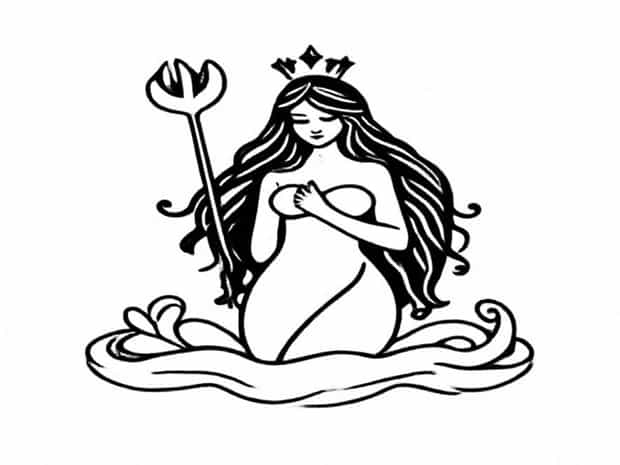
Stories of myth and legend often captivate us, but few tales resonate as personally as the feeling of loss entwined with the supernatural. In some ancient myths, nereids sea nymphs of Greek mythology are known for their beauty, charm, and ability to influence the lives of mortals. The idea of a nereid stealing someone’s spouse might sound fantastical, yet it can serve as a metaphor for emotional turmoil, unexpected separation, and the mysterious forces that sometimes seem to govern human relationships. Exploring this concept can help us understand the intersection of myth, psychology, and cultural storytelling.
Understanding Nereids in Mythology
Nereids are sea nymphs, daughters of the sea god Nereus and often depicted as beautiful, graceful beings who inhabit the Mediterranean Sea. In Greek mythology, they are considered benevolent yet capable of exerting influence over sailors, mortals, and even gods. Each nereid has her own unique personality and attributes, making them complex figures in myths and legends. Their allure and mystical qualities make them perfect symbols for the inexplicable and often uncontrollable events in life, including matters of the heart.
Symbolism of Nereids in Love and Loss
The story of a nereid stole my husband can be interpreted symbolically rather than literally. Nereids often represent temptation, desire, or forces beyond human control. When applied to relationships, a nereid can symbolize an external influence that disrupts the natural course of love, whether that is another person, circumstances, or internal emotional struggles. The mythical theft reflects the sense of helplessness one might feel when a relationship is threatened by unforeseen factors.
Psychological Interpretation
Beyond mythology, the concept of a nereid stealing a spouse can be viewed through a psychological lens. Feelings of jealousy, betrayal, and loss are deeply human emotions that can be expressed through narrative storytelling. By personifying the source of disruption as a mythical nereid, the story externalizes the conflict, giving it a form that is both tangible and fantastical. This approach allows individuals to process complex emotions in a way that is creative and symbolic rather than purely literal.
External Forces and Relationships
Relationships are influenced by a multitude of factors, both internal and external. The metaphor of a nereid can represent external pressures such as work, social expectations, personal ambitions, or other individuals who may unintentionally or deliberately affect a partnership. By framing these pressures as a mythical being, the narrative emphasizes the powerlessness one may feel when circumstances threaten emotional bonds.
Cultural and Literary Depictions
Throughout literature and folklore, tales of supernatural beings interfering in human relationships are common. From Greek myths to modern fantasy novels, stories of seduction, theft, and enchantment by otherworldly entities serve to explore the complexity of human desire and attachment. The phrase a nereid stole my husband could appear in contemporary literature as an allegory for infidelity, separation, or sudden loss, highlighting the timeless nature of these themes in storytelling.
Lessons from Mythical Narratives
Mythical narratives, including those involving nereids, often carry moral or philosophical lessons. They remind us of the fragility of human attachments, the importance of trust, and the unpredictability of life. By framing personal loss within the context of myth, individuals can gain perspective on their experiences, finding meaning and resilience in the symbolic story rather than focusing solely on the literal event.
Personal Reflection and Growth
Experiencing a loss, whether interpreted literally or metaphorically, can be transformative. The idea that a nereid stole one’s husband may initially evoke feelings of anger, grief, and confusion. However, by reflecting on the story and its symbolic elements, one can explore personal growth, emotional resilience, and a deeper understanding of human relationships. Recognizing that external forces, whether mythological or real, play a role in life can help individuals navigate change and rebuild a sense of agency and empowerment.
Coping Strategies
Addressing the emotions associated with such a metaphorical event involves several strategies
- Emotional AcknowledgmentAccepting and naming feelings of loss, betrayal, or jealousy can provide clarity and release.
- Creative ExpressionWriting, storytelling, or art can help externalize complex emotions and provide a symbolic outlet.
- Reflection on RelationshipsExamining personal expectations and dynamics in the relationship can foster understanding and healing.
- Support SystemsLeaning on friends, family, or professional counselors provides perspective and emotional support.
- Reframing the NarrativeViewing the nereid as a metaphor for uncontrollable circumstances allows for acceptance and forward movement.
The Enduring Appeal of Mythical Metaphors
Using a nereid as a metaphor for relational loss or upheaval highlights the enduring power of mythology in human life. Myths provide a lens through which individuals can interpret experiences that are otherwise difficult to articulate. The fantastical element of a nereid stealing a spouse makes the story memorable, relatable, and meaningful, emphasizing both the unpredictability of life and the potential for personal insight and transformation.
Myth Meets Modern Life
Even in contemporary society, ancient myths retain relevance because they capture universal human experiences. The tale of a nereid stealing a husband resonates because it embodies emotions like desire, temptation, loss, and resilience. Whether taken literally, symbolically, or psychologically, the story bridges the ancient and modern, demonstrating how mythical narratives continue to shape our understanding of relationships and personal growth.
The story of a nereid stole my husband operates on multiple levels as a mythological reference, a psychological metaphor, and a narrative of emotional experience. Nereids, with their beauty, allure, and supernatural influence, serve as powerful symbols of external forces that affect human relationships. By exploring this narrative, individuals can gain insight into feelings of loss, betrayal, and emotional upheaval while also finding avenues for healing, reflection, and personal growth. Myth, after all, is not just about the fantastical it is about understanding the complexities of the human heart and the unpredictable currents of life.