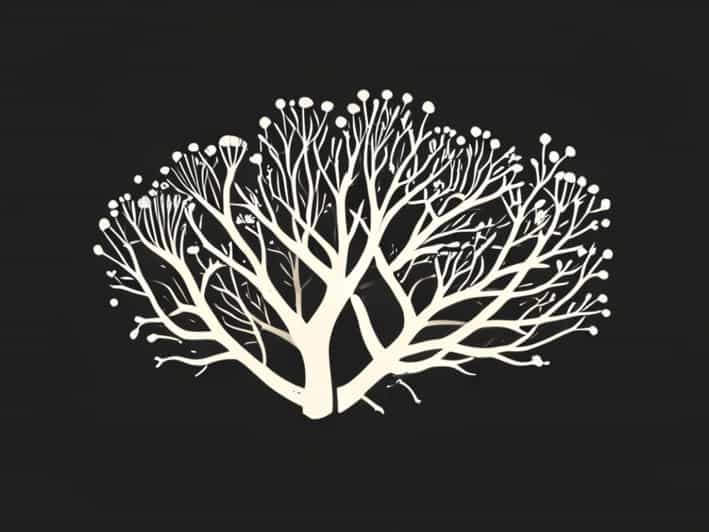
A mycelium is an interwoven mat of fungal threads that forms the vegetative part of a fungus. It is one of the most fascinating and vital structures in the natural world, playing a critical role in ecosystems, agriculture, and even biotechnology. Mycelium is composed of hyphae, which are long, branching filamentous structures that grow and spread through soil, decaying matter, or other organic substrates. This network is responsible for nutrient absorption, decomposition, and interactions with plants and other organisms, making it essential for the health of ecosystems.
What Is Mycelium?
Mycelium is the vegetative, non-reproductive part of a fungus, in contrast to the fruiting body, such as mushrooms, which produce spores. The hyphae that make up the mycelium grow in a network that penetrates the substrate, breaking down organic material and absorbing nutrients. This process is fundamental for recycling nutrients in nature, allowing dead plants and animals to decompose and release essential elements back into the soil. The interwoven mat structure of mycelium allows fungi to cover extensive areas and efficiently extract nutrients from their environment.
Structure of Mycelium
Mycelium consists of a network of hyphae, which are microscopic, thread-like filaments. Each hypha grows at its tip and branches repeatedly, creating a dense, interwoven mat. The structure can vary depending on the species of fungus and the substrate it colonizes. In some fungi, the hyphae form compact mats, while in others, they create loose, spreading networks. Mycelium can also form specialized structures for nutrient storage or interactions with plants, such as mycorrhizal associations.
Functions of Mycelium
The interwoven mat of mycelium serves multiple functions that are essential for both the fungus and the surrounding ecosystem. It is primarily responsible for nutrient absorption, decomposition, and symbiotic relationships. The extensive surface area of the hyphae allows the fungus to absorb water, minerals, and organic compounds efficiently. Additionally, mycelium produces enzymes that break down complex organic materials into simpler compounds, facilitating nutrient cycling in nature.
Nutrient Absorption
Mycelium penetrates substrates such as soil, decaying wood, and leaf litter, absorbing nutrients that support the growth of the fungus. The hyphae secrete enzymes that degrade cellulose, lignin, and other organic compounds, releasing sugars and other molecules that can be absorbed. This process is essential for the survival of the fungus and contributes to soil fertility, benefiting plants and other organisms.
Decomposition
One of the most important ecological roles of mycelium is decomposition. Fungi are primary decomposers in many ecosystems, breaking down dead plant and animal matter. The interwoven mat allows the fungus to efficiently colonize and digest organic material, returning nutrients such as nitrogen, phosphorus, and carbon to the soil. This process supports plant growth and maintains the balance of ecosystems.
Symbiotic Relationships
Mycelium forms symbiotic associations with plants, known as mycorrhizae. In this relationship, the fungus provides plants with water and nutrients, particularly phosphorus, while the plant supplies the fungus with carbohydrates produced through photosynthesis. This mutualistic relationship enhances plant growth, resilience, and overall ecosystem health. The interwoven mat structure of the mycelium allows it to extend far into the soil, increasing the reach of these beneficial interactions.
Applications of Mycelium
Beyond its ecological importance, mycelium has many practical applications in agriculture, environmental management, and industry. Researchers and innovators have explored ways to use mycelium for sustainable products, soil restoration, and even medicine. The interwoven mat structure is key to these applications, providing a natural framework for growth, biodegradation, and material formation.
Biodegradable Materials
Mycelium can be cultivated to create biodegradable materials that serve as alternatives to plastics, packaging, and construction products. The dense, interwoven structure provides strength and flexibility, allowing it to be molded into various shapes. Companies are developing mycelium-based packaging, furniture, and building materials, demonstrating its potential as a sustainable resource.
Soil Health and Agriculture
In agriculture, mycelium is used to improve soil health and enhance crop productivity. Mycorrhizal fungi increase nutrient availability and water retention in soil, reducing the need for chemical fertilizers. Farmers and gardeners use mycelium-based inoculants to promote plant growth, improve soil structure, and increase resilience against pests and environmental stress.
Environmental Remediation
Mycelium has been employed in bioremediation efforts to clean up contaminated soil and water. The hyphae produce enzymes that can break down pollutants such as petroleum, pesticides, and heavy metals. The interwoven mat structure enables the fungus to colonize large areas efficiently, accelerating the breakdown of toxic substances and restoring environmental health.
Medicinal Uses
Certain fungi with dense mycelium mats produce bioactive compounds with medicinal properties. These include antibiotics, immunomodulators, and anticancer agents. Researchers are studying mycelium for potential therapies and dietary supplements, leveraging the metabolic capabilities of the fungus and its interwoven hyphal networks to produce beneficial compounds.
How to Observe Mycelium
Observing mycelium in nature or cultivation provides insight into its structure and function. It can often be seen as white, thread-like networks on decaying wood, soil surfaces, or in cultivated mushroom substrates. In laboratory settings, mycelium can be grown on nutrient media to study its growth patterns, branching structures, and interactions with other organisms. Understanding the growth and behavior of the interwoven mat of mycelium helps scientists and cultivators optimize its use for ecological and practical purposes.
Tips for Observing Mycelium
- Look for white or light-colored filamentous networks on decomposing organic matter.
- Examine the branching patterns and density of the hyphae.
- Use a magnifying glass or microscope to observe hyphal structure.
- In cultivation, monitor the spread of mycelium in substrates for healthy growth.
- Note interactions with roots or other fungi to study symbiotic relationships.
A mycelium is an interwoven mat of hyphae that plays a vital role in ecosystems, agriculture, and biotechnology. Its structure allows for efficient nutrient absorption, decomposition, and symbiotic interactions with plants. Beyond its ecological importance, mycelium has practical applications in sustainable materials, soil health, environmental remediation, and medicine. Observing and understanding mycelium provides insight into the hidden networks that support life and offer innovative solutions for environmental and industrial challenges. The study and use of mycelium demonstrate the remarkable versatility and significance of this natural interwoven network in both nature and human innovation.
- Mycelium is composed of interwoven hyphae that absorb nutrients and decompose matter.
- It forms symbiotic relationships with plants, enhancing growth and soil health.
- Applications include biodegradable materials, bioremediation, and medicinal compounds.
- Observing mycelium helps understand its ecological roles and cultivation practices.
- The interwoven mat structure is essential for the fungus’s efficiency and versatility.