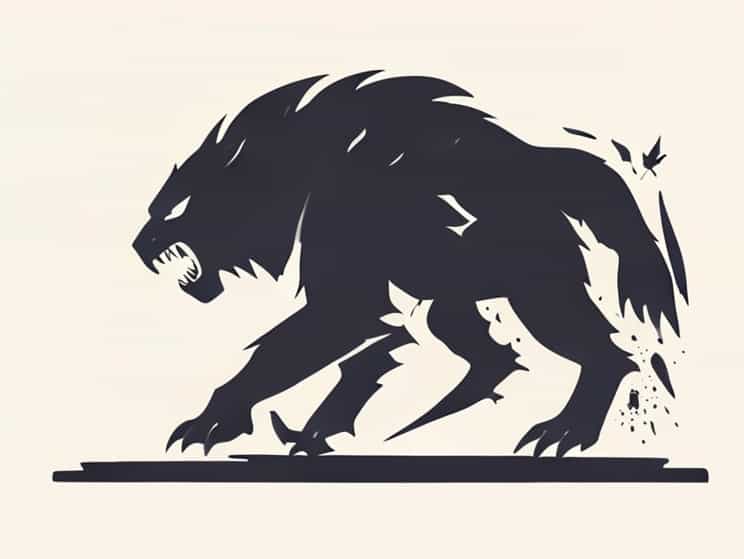
In the heart of a dense, shadowy forest, a beast attacks with ferocity that shakes the very ground beneath it. Its roar echoes through the trees, a chilling reminder of the untamed forces that govern the natural world. This scenario, whether drawn from mythology, literature, or real-life animal encounters, captures the essence of raw power and instinct. Understanding how and why a beast can attack with such intensity offers insights into predator behavior, survival mechanisms, and the delicate balance between humans and wildlife. Exploring these encounters reveals both the dangers and the awe-inspiring aspects of nature’s fiercest creatures.
Defining Ferocity in Animal Behavior
Ferocity in the context of a beast’s attack refers to extreme aggressiveness and intensity. This can manifest in sudden bursts of speed, powerful strikes, and a relentless pursuit of prey or defense against perceived threats. Ferocity is not simply mindless aggression; it is often a calculated display of strength honed by evolution to increase survival and reproductive success. Predators rely on ferocity to capture prey efficiently, deter rivals, and establish dominance within their territory.
Psychological Triggers of Ferocious Attacks
Several psychological and environmental factors can trigger a beast to attack with ferocity. Key triggers include
- Territorial DefenseMany animals, including big cats and canids, attack aggressively to protect their territory from intruders.
- Predatory InstinctHunger or the need to feed offspring can provoke an intense, focused attack.
- Threat PerceptionA perceived threat to the animal itself can result in defensive ferocity.
- Mating CompetitionRivalry for mates often triggers aggressive displays and violent confrontations.
Examples of Beasts Attacking with Ferocity
In the natural world, numerous species demonstrate ferocious behavior. Big cats like tigers and lions are renowned for their powerful strikes and swift attacks. Wolves can coordinate in packs to subdue much larger prey with relentless determination. Even smaller animals, like honey badgers, exhibit ferocity disproportionate to their size, defending themselves with unwavering aggression.
Predatory Ferocity
Predatory animals often rely on ferocity as a survival mechanism. The suddenness and intensity of their attacks are designed to overwhelm prey before escape is possible. For example
- TigersUse stealth followed by explosive speed to deliver fatal bites.
- SharksExhibit rapid, forceful strikes to incapacitate fish or marine mammals.
- EaglesDive from great heights with talons extended, striking prey with precision and power.
Defensive Ferocity
Some animals attack with ferocity to protect themselves or their offspring. This includes
- BearsKnown to defend cubs with powerful swipes and charges.
- ElephantsCan become highly aggressive if they sense danger to the herd, using sheer size and force to intimidate.
- PorcupinesThough not predators, their sudden defensive movements and sharp quills can deter attackers effectively.
Mechanisms Behind Ferocious Attacks
The ferocity of an attack is often a combination of physical prowess and instinctive behavior. Key mechanisms include
- Muscular PowerStrong limbs, jaws, or claws allow for explosive force.
- Speed and AgilityRapid movement enables predators to close distance quickly.
- Sensory AcuityAcute hearing, sight, or smell helps detect and target prey or threats.
- Strategic PlanningSome species employ stalking, ambush, or pack coordination to maximize effectiveness.
Impact on Humans and Ecosystems
Encounters with ferocious beasts can have profound impacts on humans and ecosystems. Human-wildlife conflict often arises when animals are cornered, threatened, or drawn to human settlements in search of food. Understanding the natural triggers of aggression helps mitigate these conflicts and promotes coexistence. Ecologically, ferocity plays a vital role in maintaining population balance, as predators regulate prey numbers, and aggressive behaviors ensure that only the fittest individuals reproduce, maintaining the health of species.
Safety and Awareness
When dealing with or observing potentially ferocious animals, safety and awareness are crucial. Key considerations include
- Maintaining safe distances and avoiding direct confrontation.
- Understanding animal behavior and warning signs of aggression.
- Employing barriers, deterrents, or professional guidance in areas with dangerous wildlife.
- Educating communities living near predator habitats about coexistence strategies.
Symbolism and Cultural Interpretations
Beyond biology, a beast attacking with ferocity has deep symbolic meaning in literature, mythology, and cultural narratives. It often represents uncontrolled power, primal instincts, and challenges that must be overcome. In stories and folklore, ferocious beasts embody both fear and respect, teaching lessons about courage, vigilance, and the unpredictability of nature. Many cultures use these symbols to reflect human struggles, emphasizing the importance of strategy, awareness, and resilience.
Examples in Mythology and Literature
- The Nemean Lion in Greek mythology, which Hercules had to overcome, symbolizes raw, unstoppable strength.
- Beowulf’s battle with Grendel represents a confrontation with a force that is both terrifying and morally challenging.
- Folktales of dragons and wild beasts often portray ferocity as both a literal and metaphorical challenge, testing human heroism.
In summary, when a beast attacks with ferocity, it showcases the raw power, instinct, and survival mechanisms inherent in the natural world. Whether driven by predatory need, defensive instincts, or territorial behavior, ferocity is a key aspect of many species’ ability to survive and thrive. Understanding these behaviors enhances human appreciation of wildlife, informs conservation efforts, and promotes safety in interactions with potentially dangerous animals. Beyond the biological perspective, ferocious beasts hold a lasting place in culture and storytelling, symbolizing challenges, strength, and the unpredictable forces of nature. Respecting their power and learning to interpret their actions ensures a balanced coexistence, allowing humans to witness the awe-inspiring aspects of ferocity without unnecessary risk.