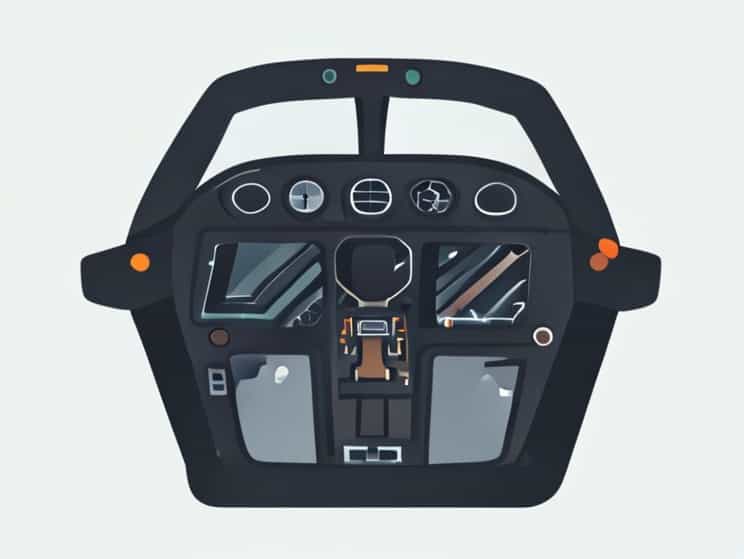
The A-6 Intruder cockpit was the command center of one of the most iconic carrier-based aircraft of the Cold War era. Designed with a focus on long-range strike capability and advanced avionics, it reflected the technological innovation of its time. Unlike many other military aircraft cockpits, the A-6 Intruder prioritized function over form, giving its crew the tools to operate effectively in all weather conditions, day or night. For pilots and bombardier/navigators, this space was where complex missions began and ended, filled with switches, dials, and navigation systems that made the aircraft a reliable strike platform for decades.
Layout of the Cockpit
The cockpit of the A-6 Intruder was designed for two crew members the pilot and the bombardier/navigator. They sat side by side rather than in tandem, which was somewhat unusual for military aircraft of the period. This arrangement improved communication and allowed both crew members to share access to certain instruments. The pilot was responsible for flying the aircraft, while the bombardier/navigator handled radar systems, navigation, and targeting operations.
Side-by-Side Seating
The side-by-side cockpit layout gave the A-6 Intruder a unique advantage in terms of crew coordination. By eliminating the need for intercom reliance alone, visual cues and direct communication enhanced efficiency during high-stress operations. This feature set the Intruder apart from many of its contemporaries, particularly in carrier operations where split-second teamwork was critical.
Avionics and Instrumentation
The A-6 Intruder cockpit was packed with advanced avionics for its time. The centerpiece was the Digital Integrated Attack/Navigation Equipment (DIANE) system, which allowed the aircraft to perform precision strikes in low visibility. This was one of the first systems of its kind, and while complex to operate, it gave the Intruder unmatched all-weather attack capability.
Key Instrument Panels
The cockpit featured several key panels and displays, including
- Flight instruments for altitude, airspeed, and attitude control
- Radar screens for navigation and target acquisition
- Weapons control panels for managing bomb and missile deployment
- Engine monitoring gauges to track performance and fuel levels
Each of these elements worked together to give the crew situational awareness and operational control under challenging mission conditions.
Crew Roles Inside the Cockpit
The division of labor in the A-6 Intruder cockpit was essential for mission success. Both the pilot and the bombardier/navigator had clearly defined responsibilities, though their roles often overlapped in complex scenarios.
The Pilot
The pilot’s primary focus was controlling the aircraft. This involved handling takeoffs and landings on aircraft carriers, maintaining altitude and speed, and ensuring the Intruder remained stable during weapons deployment. Given the complexity of carrier operations, the pilot’s workload was significant, requiring skill and precision at all times.
The Bombardier/Navigator
The bombardier/navigator, sometimes referred to as the B/N, was responsible for radar operation, navigation, and weapons targeting. They used the DIANE system to guide the aircraft to targets, even in poor weather or nighttime conditions. By managing the radar and weapons systems, the B/N allowed the pilot to concentrate fully on flying the aircraft safely.
Ergonomics and Pilot Experience
The ergonomics of the A-6 Intruder cockpit were functional but not luxurious. Space was tight, as is common in military aircraft, and visibility was somewhat limited due to the aircraft’s design. Still, the arrangement of controls was logical, allowing experienced crews to develop efficient workflows. Comfort was not the top priority; instead, reliability and effectiveness in mission scenarios guided the cockpit design.
Visibility and Canopy Design
The canopy design of the A-6 Intruder provided adequate visibility forward and to the sides, but rearward visibility was restricted. This was less of an issue for the Intruder since it was not designed for dogfighting but rather for long-range strike missions. The heavy framing of the canopy, while limiting, added to structural safety during carrier operations.
Technological Advancements
At the time of its introduction, the A-6 Intruder cockpit featured cutting-edge systems. The DIANE system was the heart of its technology, integrating radar and navigation data for precision attack. Over time, upgrades brought digital improvements, better displays, and more reliable electronics. These advancements extended the operational life of the Intruder well into the 1990s.
Night and All-Weather Capability
One of the cockpit’s greatest strengths was its ability to support missions in poor weather or at night. Radar-based navigation allowed the crew to strike targets without relying on visual cues, something few other aircraft of the era could accomplish. This capability made the Intruder a cornerstone of naval aviation during the Vietnam War and beyond.
Training and Operation
Operating the A-6 Intruder cockpit required extensive training. Crews needed to master not only the basics of flying and navigation but also the complexities of radar interpretation and weapons deployment. Training programs emphasized teamwork between the pilot and bombardier/navigator, ensuring that both could function effectively in high-pressure environments.
Simulators and Practice
To prepare crews, simulators were used to replicate the cockpit environment. These allowed trainees to practice working with the DIANE system, handling emergencies, and coordinating during simulated missions. Such training was vital because the real cockpit could be overwhelming for those unfamiliar with its complexity.
Comparison with Other Aircraft Cockpits
The A-6 Intruder cockpit differed significantly from many fighter cockpits of its time. While fighters focused on agility and combat, the Intruder prioritized long-range navigation and bombing accuracy. Compared to bombers like the B-52, the A-6 cockpit was more compact but still equipped with advanced strike technology. Its side-by-side seating arrangement remained a distinctive feature among carrier-based aircraft.
Legacy of the A-6 Intruder Cockpit
The cockpit design of the A-6 Intruder left a lasting legacy in naval aviation. It demonstrated how technology and crew coordination could combine to create an effective all-weather strike platform. Even though the aircraft was retired in the 1990s, its influence is seen in later designs that emphasize advanced avionics and teamwork.
The A-6 Intruder cockpit was more than just a workspace; it was a carefully engineered environment that enabled some of the most challenging missions in naval history. With its side-by-side seating, advanced DIANE system, and focus on all-weather performance, it redefined what a carrier-based attack aircraft could achieve. For pilots and bombardier/navigators, the cockpit was where precision, teamwork, and technology came together, shaping decades of operational success for the U.S. Navy.