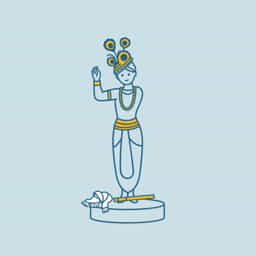
Preparing a Krishna getup, especially for children or stage performances, is a beautiful way to celebrate the vibrant traditions of Indian culture. Whether it’s for Janmashtami, a school event, or a religious gathering, dressing up as Lord Krishna requires attention to detail, creativity, and a deep respect for the cultural and mythological aspects of his character. From the peacock feather to the flute, each element of Krishna’s attire symbolizes charm, grace, and spirituality. This guide provides step-by-step insights on how to ready a Krishna getup effortlessly and meaningfully.
Understanding Krishna’s Iconic Appearance
The Essence of Krishna’s Look
Lord Krishna, revered as the eighth avatar of Vishnu, is often depicted as a young boy or youth, full of mischief and divine aura. His look is symbolic and joyful, reflecting his playful nature and divine love. A typical Krishna getup is characterized by his bright dhoti, peacock feather crown, jewelry, and of course, the bansuri or flute.
Essential Items for a Krishna Getup
- Yellow or golden dhoti (bottom wear)
- Blue or golden kurta or angavastram (upper cloth)
- Peacock feather crown or mukut
- Flute (bansuri)
- Jewelry (necklace, bangles, armlets)
- Waistband or kamarband
- Makeup and accessories (Tilak, kajal, lipstick, etc.)
- Optional: Cow or calf props for complete effect
Step-by-Step Guide to Dressing as Krishna
Step 1: Select the Right Clothes
Start with the dhoti, traditionally worn in a golden yellow color to represent Krishna’s vibrancy. Cotton or silk fabric works well, and ready-made dhotis with Velcro can be convenient for children. Pair it with a decorative kurta or an angavastram draped over one shoulder for an authentic touch.
Step 2: Add the Jewelry and Ornaments
Krishna’s getup is incomplete without the traditional ornaments. Use beaded necklaces, golden bangles, and armlets. A kamarband (waistband) enhances the traditional look. Anklets or ‘payal’ can be added, especially for younger kids, to create a gentle jingling sound as they walk or dance.
Step 3: Prepare the Crown and Peacock Feather
The crown, or mukut, is an iconic part of Krishna’s attire. It can be made of cardboard, foam, or even cloth. Attach a real or artificial peacock feather to the crown’s center. This feather is symbolic of Krishna’s association with nature and beauty.
Step 4: Add the Flute (Bansuri)
Perhaps the most famous accessory, the flute represents Krishna’s musical abilities and his divine charm. Use a real bamboo flute or a plastic one wrapped in golden or decorative paper. Secure it with a thread around the neck or simply let the child carry it in hand.
Step 5: Apply Makeup
To highlight Krishna’s facial features, apply a small Tilak on the forehead using sandalwood paste or kumkum. Add kajal around the eyes to enhance expressiveness, and a light lip tint if needed. Use gentle products, especially on children, to avoid skin irritation.
Creative Krishna Getup Variations
Baby Krishna
Dress toddlers in just a dhoti, add a waistband, a small crown, and give them a flute. A pot of butter or a toy cow beside them completes the baby Krishna theme. This is ideal for photo shoots or Janmashtami contests.
Radha-Krishna Pair
If performing with a partner, create a coordinated Radha-Krishna look. While Krishna wears yellow and blue with a flute and crown, Radha can wear a colorful lehenga choli, floral jewelry, and bangles. This pair is popular for cultural programs and dance events.
Tips for a Comfortable Krishna Getup
- Ensure all clothes and accessories are lightweight and breathable, especially for children.
- Use soft elastics or clips for the crown to avoid discomfort.
- Secure jewelry and accessories properly to prevent them from falling off during movement.
- Allow the wearer to practice walking or dancing in the outfit beforehand.
Common Occasions for Wearing Krishna Getup
Janmashtami Celebrations
This Hindu festival celebrates the birth of Lord Krishna. Dressing up children as Krishna is a major part of the festivities in homes, temples, and schools across India and among the Indian diaspora.
School Fancy Dress Competitions
Many schools conduct cultural programs where students dress as mythological characters. Krishna is one of the most popular choices due to his appealing attire and familiar symbolism.
Stage Performances and Dramas
In religious dramas or classical dance forms like Bharatanatyam or Kathak, the Krishna getup is often used to represent different leelas (divine acts) of Lord Krishna.
DIY Krishna Costume Ideas
Homemade Crown
Create a crown using thick paper or felt. Decorate it with sequins, glitter, and beads. Attach a peacock feather using glue or thread for an artistic finish.
Flute Decoration
Wrap a simple plastic flute in golden ribbon and stick on a few fake gems or beads. This adds sparkle and matches the rest of the costume.
Natural Accessories
Use real flower garlands or sandalwood paste for a fragrant and authentic Krishna look. This adds a traditional element and can be more eco-friendly.
Symbolism Behind Krishna’s Attire
Yellow Dhoti
Yellow symbolizes energy, knowledge, and happiness. Krishna’s choice of yellow represents his uplifting spirit and joy-bringing presence.
Peacock Feather
The feather stands for beauty, purity, and Krishna’s role as the cosmic musician. It’s also associated with divine love and the rhythm of life.
Flute
The flute symbolizes Krishna’s divine music that enchants all beings, drawing them into love and devotion. It also represents the surrender of ego, as the flute must be empty to produce sound.
Celebrating the Spirit of Krishna
Creating a Krishna getup is more than just putting on a costume. It’s a way to connect with culture, faith, and tradition in a creative and engaging manner. Whether it’s a child dressing for Janmashtami or a performer preparing for a cultural event, the process of assembling Krishna’s look brings joy, reverence, and artistic expression. With a blend of thoughtful attire, meaningful accessories, and a playful spirit, anyone can bring the charm of Krishna alive.