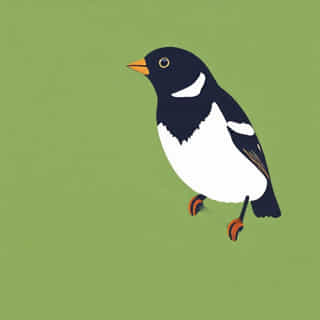
The chaffinch is a common and beloved bird found across many parts of Europe and beyond. Known scientifically as Fringilla coelebs, this small songbird is easily recognizable by its vibrant plumage and distinctive song. While chaffinch is the most widely used name, this bird is also known by several other names in different regions and contexts. These alternative names reflect local traditions, dialects, and sometimes the bird’s behavior or appearance. Understanding these various names can enrich our appreciation of this species and provide insight into cultural and linguistic diversity related to birdwatching and ornithology.
Common Alternative Names for Chaffinch
In English-speaking regions, the chaffinch is sometimes referred to by other names that highlight certain features or habits of the bird. Here are some commonly used alternative names:
- Chaffy: A colloquial, affectionate nickname often used by birdwatchers and enthusiasts, emphasizing the bird’s chirpy and lively nature.
- Garden Finch: Used in some areas due to the chaffinch’s frequent presence in gardens and parks, where it is a familiar sight for many people.
- House Finch: Though technically referring to a different species in North America, some confusion or overlap has occurred historically, causing house finch to occasionally be used informally for chaffinches.
- Songster: A poetic or descriptive term based on the chaffinch’s well-known melodic song, highlighting its musical contribution to natural soundscapes.
Regional and Dialectical Names
Across different parts of the British Isles and Europe, the chaffinch is known by several local names derived from regional dialects and languages. These names often reflect the bird’s characteristics or its role in local folklore.
- Chaffinch in Scotland and Northern England: Sometimes called chaffie or chaffy, reflecting regional pronunciation variations.
- In Ireland: The chaffinch may be called finch in casual speech, but older Irish Gaelic terms exist, linking the bird to local cultural references.
- In France: Known as Pinson des arbres, which translates to tree finch, highlighting its preferred habitat.
- In Germany: Called Buchfink, meaning book finch, possibly referring to the bird’s familiar presence around homes and in literature.
- In Italy: Referred to as Fringuello, a name also used for finch-like birds generally, underscoring the chaffinch’s classification.
Scientific and Taxonomic Names
While chaffinch is the common English name, the scientific name Fringilla coelebs is used internationally to avoid confusion. This binomial name helps scientists and birdwatchers communicate clearly about the species regardless of language differences. The genus name Fringilla refers to a group of finches, while coelebs means unmarried or single, which is believed to relate to the bird’s solitary habits during certain seasons.
In some older ornithological texts, the chaffinch has been grouped with related finch species under broader common names, but modern taxonomy has clarified its distinct status.
Names Based on Behavior or Appearance
Some alternative names for the chaffinch have emerged based on its distinctive behavior or physical traits:
- Seed Picker: Refers to the chaffinch’s feeding habit, as it primarily eats seeds and is often seen picking them from the ground.
- Stripe Back: An informal name inspired by the bird’s distinctive wing bars and patterned back feathers.
- Bright Finch: Describes the male chaffinch’s colorful plumage, which becomes especially vivid during the breeding season.
Folk and Literary Names
Throughout history, birds like the chaffinch have appeared in poetry, folklore, and proverbs, sometimes acquiring special names or symbolic meanings. While chaffinch remains the standard term, in literature the bird has been praised as a symbol of spring, joy, and nature’s melody.
In some local folk traditions, the chaffinch is given names that connect it to agricultural cycles or seasonal change, emphasizing its role in the natural world:
- Spring Herald: A poetic nickname due to the chaffinch’s early morning song that signals the arrival of spring.
- Little Chorister: Emphasizing the bird’s singing talents, this name is found in some English poetry and folk songs.
- Seed-Bearer: Refers to the bird’s association with spreading seeds and thus contributing to plant life cycles.
Why Knowing Other Names for Chaffinch Matters
Understanding the variety of names for the chaffinch can be helpful for birdwatchers, naturalists, and language enthusiasts alike. It broadens awareness of how different cultures and regions perceive the same species, enriching the experience of observing and studying birds. For writers and educators, using alternative names can add color and authenticity to descriptions of wildlife.
Additionally, many birdwatching guides, historical texts, and local field notes may use different names, so familiarity with these terms improves communication and research accuracy.
The chaffinch, known scientifically as Fringilla coelebs, carries a variety of alternative names that reflect its wide distribution, cultural significance, and distinctive traits. From affectionate nicknames like chaffy to regional names such as Buchfink in Germany and Pinson des arbres in France, these terms highlight the bird’s place in human culture and nature. Whether called a garden finch, spring herald, or simply chaffinch, this vibrant bird continues to charm and inspire people across many countries. By exploring the other names for the chaffinch, we gain not only linguistic insight but also a deeper connection to this beloved species and the diverse ways humans relate to the natural world.