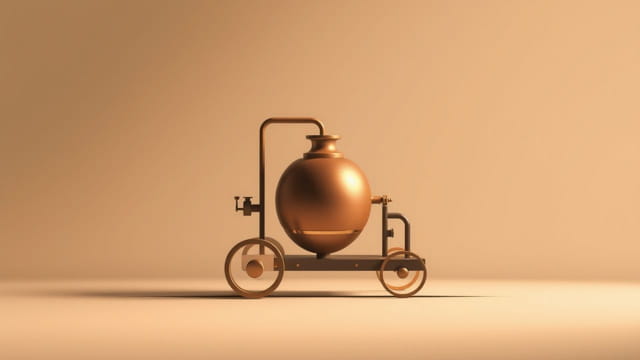
In the heart of rural France, a centuries-old tradition lives on through a unique figure known as thebouilleur de cru ambulant. This term, which loosely translates to itinerant distiller, refers to a licensed individual who travels from village to village, distilling fruit-based alcohols like brandy and eau-de-vie for local farmers and orchard owners. Deeply rooted in French agricultural and cultural heritage, the role of the bouilleur de cru ambulant is not just a practical service but a symbol of community, craftsmanship, and resilience. Despite modern laws and changing lifestyles, these mobile distillers continue to bring flavor, history, and tradition to rural life.
Origin and History of the Bouilleur de Cru
A Deep Agricultural Connection
The practice of distilling surplus fruit into alcohol dates back to at least the 17th century in France. In those days, rural households would gather their apples, plums, cherries, or grapes at harvest and transform them into high-proof spirits to preserve their bounty and create a product that could be consumed year-round. However, owning a still was tightly regulated by the French state, leading to the creation of a legal framework that allowed only certain individuals, known asbouilleurs de cru, to distill legally.
The Emergence of the Ambulant Distiller
While some distillers operated permanent stills on private land, many regions lacked such facilities. This gave rise to thebouilleur de cru ambulant, who brought mobile distillation equipment directly to the farms and villages. Typically traveling in a truck or trailer fitted with a copper still, these artisans became well-known in their regions. Villagers would gather for the occasion, not only to process their fruit but to socialize and exchange stories, making the event a yearly highlight.
How the Process Works
Collection and Fermentation
The first step in traditional distillation is the collection and fermentation of fruit. Farmers and orchard owners select ripe fruit, remove unwanted parts, and leave it to ferment naturally in large barrels. This process can take several weeks, during which sugar converts to alcohol, forming a fruity mash ready for distillation.
Arrival of the Bouilleur de Cru Ambulant
Once the mash is ready, thebouilleur de cru ambulantarrives with a portable still, usually made from copper and heated with wood or gas. The fermented mixture is slowly heated, and the alcohol evaporates, passes through coils, condenses, and is collected as clear spirit. The distiller must monitor temperatures and timing carefully, ensuring quality while avoiding the production of harmful methanol.
Quality Control and Customization
Each batch of eau-de-vie is unique, depending on the fruit variety, fermentation quality, and distiller’s technique. The bouilleur de cru ambulant often advises on how to blend different batches, adjust alcohol content, or infuse additional flavors. The finished product is stored in glass demijohns or oak barrels, where it can age for months or years.
Legal and Regulatory Aspects
Licensing and State Oversight
French law tightly controls alcohol production. Only individuals with a certified right called thedroit de bouilleur de crucan legally distill fruit. These rights were historically passed down within families but have become increasingly rare. The mobile distiller must also have a license and notify local customs offices of each operation, including the exact quantity and type of alcohol produced.
Taxation and Decline
Since the 1950s, changes in French tax laws and regulations have reduced the number of practicing bouilleurs de cru ambulants. New laws limited the exemption of excise duties, making small-scale distillation less economically viable. As a result, many families stopped using the service, and fewer distillers entered the profession. Despite this, a dedicated few remain, often viewed as custodians of a dying craft.
Cultural Significance of the Bouilleur de Cru Ambulant
A Symbol of Rural French Life
The sight of a steaming still in a village square evokes nostalgia for a simpler time. For many rural communities, the arrival of the bouilleur de cru ambulant was not just a task but a celebration. Neighbors would gather, taste the previous year’s spirits, and share in the collective experience of transforming fruit into something enduring. The smells of fruit mash and wood smoke mingling in the air are memories that many older French citizens still cherish.
Preserving Traditional Knowledge
Beyond the product itself, these itinerant distillers preserve vital knowledge of fermentation, distillation, and fruit varieties that is increasingly being lost in modern industrial processes. By teaching younger generations or welcoming apprentices, they ensure that these artisanal skills continue, even in a rapidly changing world.
Modern Challenges and Renewed Interest
Urbanization and Lifestyle Shifts
With more people moving to cities and fewer families maintaining orchards, the demand for mobile distillation has waned. The tradition, once common across rural France, now survives only in select regions like Alsace, the Dordogne, or the Charente. Modern time constraints and convenience have also made people less likely to prepare fruit mash and wait for the distiller’s annual visit.
Revival Through Tourism and Craft Spirits
Ironically, the global boom in craft spirits has brought new interest to this old tradition. Some distillers now collaborate with tourism boards or host open workshops, turning the distillation process into a cultural event. Local markets increasingly value artisanal, small-batch production, and younger French citizens are rediscovering the charm and authenticity of these time-honored methods.
- Regional Festivals– Some towns now hold annual festivals celebrating the bouilleur de cru, with live distillation, music, and tastings.
- Workshops and Education– Programs in rural areas teach the principles of fruit fermentation and distillation, often led by experienced bouilleurs.
- Labeling and Branding– Distillers market their products with regional pride, emphasizing their traditional methods and unique flavor profiles.
The Future of Mobile Distillation in France
Adaptation and Innovation
While the number of practicing bouilleurs de cru ambulants is shrinking, those who remain are adapting. Some invest in modern equipment to comply with regulations, while others expand their services to include fruit pressing, fermentation assistance, or packaging. A few have even created cooperatives, pooling resources and knowledge to remain sustainable.
A Role Worth Preserving
Thebouilleur de cru ambulantstands at the crossroads of agriculture, history, and community. Though the path forward may require adaptation, the core values craftsmanship, tradition, and connection to the land remain deeply relevant. In an era increasingly dominated by global brands and mass production, the work of these distillers reminds us of the richness found in locality and human skill.
The bouilleur de cru ambulant is more than just a mobile distiller; it is a living thread that ties modern France to its rural past. Through the alchemy of transforming fruit into spirit, these artisans preserve a cultural practice that celebrates the land, the seasons, and the people. As challenges persist, so too does hope for renewal, for recognition, and for a continued appreciation of the art of distillation, done the old-fashioned way, one village at a time.