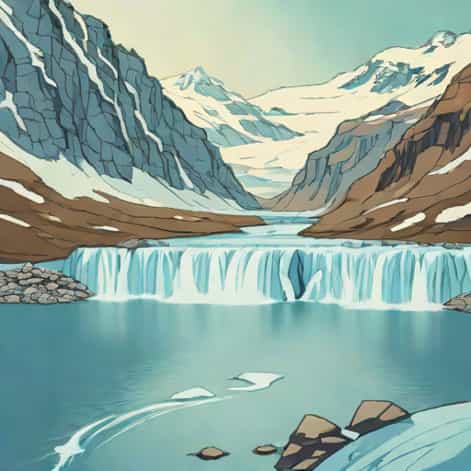
High in the majestic Himalayas of Sikkim, India, lies the Zemu Glacier one of the most remarkable glaciers in the eastern Himalayas. Stretching for nearly 26 kilometers, it is the largest glacier in Sikkim and a vital source of fresh water. What makes the Zemu Glacier especially significant is its contribution to one of India’s most important rivers. This massive body of ice serves as the main source of the Teesta River, a lifeline that flows through the rugged mountains of Sikkim and into the plains of West Bengal and Bangladesh, supporting millions of people along its course.
Geographical Location of the Zemu Glacier
The Zemu Glacier is located in the northeastern state of Sikkim, within the Himalayan mountain range. It lies to the northeast of the majestic Kanchenjunga, the third-highest peak in the world. Nestled in a remote and pristine region, this glacier is surrounded by towering peaks, deep valleys, and alpine meadows. The area around the glacier is part of the Kanchenjunga National Park, a UNESCO World Heritage Site that protects a diverse range of flora and fauna.
Because of its location, the Zemu Glacier plays a key role in maintaining the hydrological balance of the region. It collects snowfall during the winter months, which gradually melts in summer, feeding rivers and streams that eventually form the Teesta River. The glacier lies at an altitude ranging from approximately 4,500 to 7,000 meters above sea level, where temperatures are extremely cold year-round, and the landscape is dominated by ice and rock.
The River Originating from Zemu Glacier
The Zemu Glacier is the primary source of the Teesta River. The meltwater from the glacier forms the Teesta at its upper reaches, beginning as small rivulets that flow through steep valleys before combining into a powerful river. The Teesta then travels hundreds of kilometers through different terrains, shaping landscapes and supporting human settlements along its path.
The Teesta River’s Journey
The Teesta River begins its journey from the Zemu Glacier in North Sikkim. From there, it flows southward, carving its way through the mountains. The river passes through important towns such as Chungthang, Mangan, and Gangtok, gathering strength as it receives tributaries from other smaller glaciers and mountain streams. Eventually, it enters the plains of West Bengal, passing through the town of Kalimpong and the Teesta Barrage near Jalpaiguri before entering Bangladesh, where it merges with the Brahmaputra River system.
- OriginZemu Glacier, North Sikkim, Himalayas
- Main TributariesRangeet River, Lachung River, and Rangpo River
- States CoveredSikkim, West Bengal, and parts of Bangladesh
- Total LengthApproximately 315 kilometers
This flow pattern makes the Teesta River not just a geographical feature but a crucial ecological and economic asset for both India and Bangladesh.
The Importance of the Zemu Glacier and Teesta River System
The relationship between the Zemu Glacier and the Teesta River is fundamental to the water supply and environmental balance in northeastern India. As the glacier melts, it provides a continuous flow of water to the Teesta, especially during the dry season. This natural process supports irrigation, drinking water, and hydroelectric power generation downstream.
Ecological Significance
The glacier-fed Teesta River supports a variety of ecosystems along its route. Alpine meadows, dense forests, and wetlands all depend on the consistent flow of glacial meltwater. These habitats are home to species such as the red panda, Himalayan black bear, and snow leopard. The Teesta basin also sustains agricultural lands, particularly rice, maize, and cardamom fields in Sikkim and northern Bengal.
Economic and Cultural Role
For centuries, the Teesta River has been an essential part of local culture and livelihoods. Communities along its banks depend on it for farming, fishing, and transportation. Hydropower projects along the river, such as the Teesta III and Teesta V dams, generate electricity for thousands of households. Additionally, the river holds cultural importance in Sikkimese traditions, being associated with purity and spiritual renewal.
Climate Change and Glacial Retreat
Like many glaciers across the Himalayas, the Zemu Glacier is facing the impacts of global climate change. Rising temperatures have accelerated melting rates, leading to concerns about reduced water availability in the long term. Scientists have observed a steady retreat of the glacier’s snout over the past few decades, an alarming indicator of how sensitive these ice bodies are to changing climate patterns.
Environmental Challenges
The melting of the Zemu Glacier could lead to significant changes in the Teesta River’s flow. In the short term, increased melting may cause flooding and glacial lake outburst floods (GLOFs), while in the long term, it could reduce the river’s water supply, affecting agriculture and hydropower generation. Monitoring and research by Indian scientists are ongoing to track these changes and develop strategies for sustainable water management.
- Glacial retreat due to rising temperatures
- Risk of glacial lake formation and flooding
- Potential long-term decline in water availability
- Impact on biodiversity and agriculture
Addressing these challenges requires a balance between environmental conservation and human development. Local authorities and international organizations have begun promoting initiatives such as reforestation, reduced pollution, and improved monitoring systems in the Teesta basin.
Scientific Research and Exploration
The Zemu Glacier has long attracted scientists, geologists, and explorers. Early British expeditions in the 19th and 20th centuries mapped the area and studied its connection to the Teesta River. Today, modern satellite imagery and field surveys help track the glacier’s size, volume, and melt rate. These studies are vital in understanding how Himalayan glaciers contribute to major river systems across South Asia, including the Ganges and Brahmaputra basins.
Researchers also use data from the Zemu Glacier to model future water availability and assess risks of natural disasters related to glacial melting. These efforts are crucial for planning infrastructure, agriculture, and water-sharing agreements between regions and countries.
Tourism and Natural Beauty
Despite its remote location, the Zemu Glacier has become an attractive destination for adventure travelers and trekkers. The route to the glacier passes through the beautiful Yuksom Dzongri Lachen trail, offering breathtaking views of Kanchenjunga and other Himalayan peaks. Visitors can witness not only the grandeur of the glacier but also the diverse ecosystems of Sikkim, from rhododendron forests to alpine tundra.
However, tourism in the region is carefully regulated to protect the fragile environment. The Sikkim government and local communities promote eco-friendly practices, ensuring that the natural landscape remains preserved for future generations.
The Zemu Glacier is far more than a frozen mass of ice; it is a living source of life and vitality for the eastern Himalayas. As the origin of the Teesta River, it sustains millions of people and countless ecosystems from the high mountains of Sikkim to the fertile plains of Bangladesh. Understanding and protecting this glacier is essential for the environmental and economic stability of the region. In the years to come, how humanity responds to climate change and conservation challenges will determine the future of both the Zemu Glacier and the mighty Teesta River that flows from it.