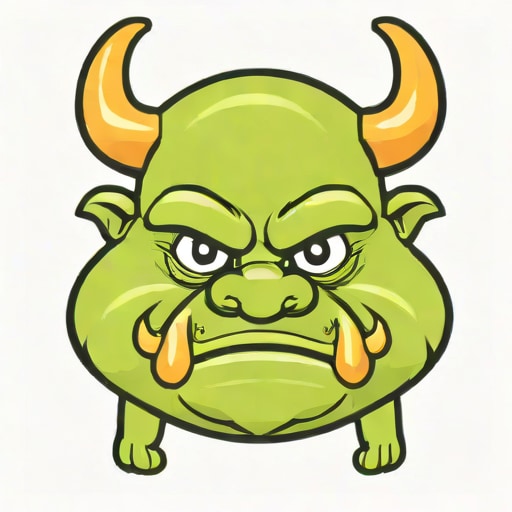
The term ogre evokes images of fearsome, monstrous beings often featured in folklore, fairy tales, and mythology. Ogres are typically portrayed as large, grotesque creatures with immense strength and a frightening appearance, often preying on humans, particularly children. Understanding the definition of ogre requires exploring not only its literal meaning in stories but also its figurative use in describing people, behaviors, or situations that are cruel, intimidating, or overbearing. The concept of an ogre has evolved over centuries, influencing literature, popular culture, and even language as a metaphor for power, fear, or hostility. This topic explores the meaning of ogre, its origins, characteristics, roles in mythology and literature, symbolic significance, and modern cultural interpretations.
Definition of Ogre
An ogre is defined as a large, frightening, and often monstrous creature found in folklore and fairy tales, known for its strength, aggressiveness, and tendency to harm humans. Ogres are commonly depicted as brutish, dull-witted, and voracious, often representing danger and fear. Figuratively, the term ogre can also describe a person who is cruel, domineering, or unpleasant in their behavior, embodying traits associated with the mythical creature.
Key Characteristics of Ogres
- Large and imposing physical appearance.
- Often portrayed as ugly or grotesque.
- Immense strength and resilience.
- Hostile or threatening behavior.
- Frequently depicted as living in isolation or in dark, remote places.
- Sometimes associated with greed or gluttony.
Origin and Etymology
The word ogre originates from French folklore, first appearing in literature during the 17th century. It may be derived from the Latin term Orcus, referring to a god of the underworld, symbolizing death and fear. The concept of ogres is present in various cultures, often representing natural dangers, societal fears, or moral lessons. Across European folklore, ogres appear as cautionary figures who threaten those who venture into forests, caves, or unknown territories.
Ogres in Mythology and Folklore
Ogres have been a staple of folklore across Europe and beyond. They often serve as antagonists in stories, testing the bravery, cleverness, or morality of heroes and heroines. Their roles vary depending on cultural context
European Folklore
- Ogres frequently appear in French fairy tales, such as Puss in Boots and Charles Perrault’s stories.
- In English folklore, ogres are sometimes described as cannibalistic giants or forest dwellers.
- Ogres symbolize fear of the unknown and dangers lurking outside the safety of the community.
Asian and Other Cultural Interpretations
- In Japanese folklore, oni resemble ogres and are depicted as demonic creatures causing misfortune.
- In South Asian tales, rakshasas share ogre-like qualities, often opposing heroes in epic stories.
- These cultural interpretations highlight universal themes of danger, morality, and the struggle between good and evil.
Ogres in Literature
Ogres have appeared in countless literary works, ranging from classic fairy tales to contemporary fantasy novels. Their characteristics and symbolic roles often vary
Classic Fairy Tales
- Charles Perrault’s Hop-o’-My-Thumb features an ogre who is ultimately outsmarted by cleverness.
- Ogres often serve as obstacles or villains, challenging protagonists to display courage and intelligence.
Modern Literature and Fantasy
- In modern fantasy, ogres are often depicted in role-playing games, novels, and movies as powerful but sometimes misunderstood beings.
- Ogres can symbolize brute force, fear, or obstacles to overcome in quests and adventures.
Symbolic Significance of Ogres
Ogres often carry deeper symbolic meanings beyond their literal depiction. They represent
- Fear and danger, especially the unknown or threatening aspects of life.
- Human vices such as greed, gluttony, or cruelty.
- Challenges to be overcome, often requiring intelligence, courage, or moral integrity.
- The consequences of isolation or detachment from society.
Figurative Use of Ogre
The term ogre is frequently used metaphorically to describe people who exhibit unpleasant, intimidating, or domineering behavior
- A strict teacher or authoritarian figure may be referred to as an ogre.
- A boss or manager who is harsh or unreasonable can be described as ogre-like.
- The term can also describe situations that are difficult, oppressive, or threatening.
Synonyms of Ogre
Common synonyms include terms that convey size, menace, or cruelty
- Giant
- Monster
- Beast
- Troll
- Demon
- Brute
Antonyms of Ogre
Antonyms reflect gentleness, kindness, or harmlessness
- Gentle person
- Kind soul
- Friend
- Protector
- Hero
Ogres in Popular Culture
Ogres have maintained popularity in modern media, including films, video games, and animation. They appear as villains, comic characters, or even sympathetic figures
- Shrek, the famous animated character, subverts traditional ogre stereotypes, presenting an ogre with a kind heart.
- Ogres in role-playing games often serve as strong adversaries or challenging enemies.
- In literature and film, ogres symbolize conflicts, obstacles, or misunderstood creatures.
The definition of ogre encompasses both the literal and figurative, describing large, frightening, and often malevolent creatures in folklore, mythology, and literature, as well as people or behaviors that are harsh, intimidating, or cruel. Ogres have evolved over centuries, appearing in cultural stories across the world, symbolizing fear, challenge, and moral lessons. They remain a powerful metaphor and cultural icon, influencing literature, art, and popular media while conveying themes of strength, danger, and the human struggle against adversity. Understanding ogres, their characteristics, and their symbolic meanings provides insight into human imagination, storytelling, and the way societies conceptualize fear, morality, and power.