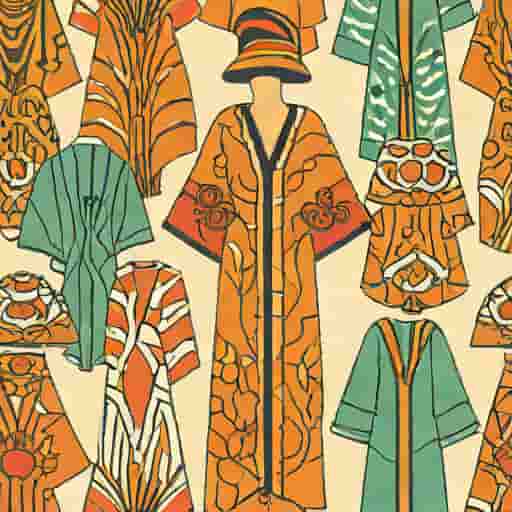
Vintage caftan patterns are an enduring symbol of elegance, cultural richness, and timeless style. These patterns, often characterized by intricate motifs, flowing lines, and elaborate detailing, have influenced fashion for decades, offering a unique blend of comfort and sophistication. From the 1960s bohemian trends to traditional Middle Eastern and North African designs, vintage caftans have maintained their popularity due to their versatility and visual appeal. Collectors, fashion enthusiasts, and designers continue to draw inspiration from these patterns to create garments that celebrate heritage while embracing modern aesthetics. The appeal of vintage caftan patterns lies not only in their beauty but also in their ability to tell stories through color, texture, and symbolic design elements.
Historical Background of Caftan Patterns
The caftan, a long flowing garment traditionally worn in the Middle East, North Africa, and parts of Asia, has a rich history that dates back centuries. Its patterns reflect regional artistry, cultural symbolism, and the craftsmanship of artisans. Each pattern tells a story through motifs that can represent nature, spirituality, or social status. By the mid-20th century, caftans became popular in Western fashion, particularly during the 1960s and 1970s, when the bohemian movement embraced flowing garments with vibrant, exotic patterns.
Influences on Vintage Caftan Patterns
- Middle Eastern ArtGeometric shapes, arabesque designs, and intricate floral motifs were often incorporated into caftan patterns, showcasing meticulous craftsmanship.
- North African TraditionsBold colors and symbolic motifs, including suns, stars, and tribal patterns, are common in Moroccan and Algerian caftans.
- Bohemian and Western FashionDuring the 1960s and 70s, caftans featured vibrant psychedelic prints and tie-dye patterns, blending Eastern heritage with Western creativity.
- Textile TechniquesHand embroidery, block printing, and batik methods added unique textures and depth to the patterns.
Key Elements of Vintage Caftan Patterns
Vintage caftan patterns are distinct for their combination of visual richness and flow. Some of the key elements include
- MotifsCommon motifs include florals, paisleys, geometric shapes, and symbolic elements that carry cultural significance.
- Color PalettesVintage caftans often feature earthy tones, jewel tones, or bold psychedelic colors depending on the era and regional influence.
- Symmetry and FlowPatterns are usually symmetrical or harmoniously balanced, complementing the flowing nature of the garment.
- Textural DetailingEmbroidery, beading, and appliqué add dimension and enhance the visual impact of the pattern.
Popular Vintage Caftan Styles
There are several styles of vintage caftans, each highlighting different patterns and design principles
- Traditional Eastern CaftansFeaturing hand-embroidered patterns with cultural symbolism, these caftans are often worn for formal occasions and ceremonies.
- 1960s Psychedelic CaftansBold, colorful patterns inspired by the bohemian lifestyle, often using tie-dye or printed fabrics.
- Art Deco Influenced CaftansGeometric patterns and stylized lines reminiscent of the Art Deco era, adding a touch of sophistication.
- Moroccan and North African CaftansFeaturing vivid colors, ornate detailing, and intricate patterns reflecting local artisan techniques.
Why Vintage Caftan Patterns Remain Popular
Vintage caftan patterns have remained popular for several reasons. They offer a unique combination of comfort, style, and artistry that is hard to replicate in contemporary fashion. Designers continue to revisit these patterns for inspiration, blending traditional motifs with modern fabrics and cuts. Collectors and fashion enthusiasts appreciate the historical and cultural significance embedded in the designs. Additionally, vintage caftans are versatile, suitable for casual wear, formal events, and even as statement pieces in modern wardrobes.
Incorporating Vintage Caftan Patterns into Modern Fashion
Modern fashion designers have found creative ways to incorporate vintage caftan patterns into contemporary clothing lines. Some strategies include
- Using traditional motifs on modern silhouettes like tunics, dresses, and maxi skirts.
- Blending vibrant vintage patterns with neutral or minimalist fabrics to create balance.
- Reinterpreting hand-embroidered or printed designs using digital printing techniques for broader accessibility.
- Pairing vintage caftan elements with modern accessories to create eclectic, personalized styles.
Caring for Vintage Caftan Patterns
Preserving vintage caftans requires attention to fabric type and detailing. Some tips for care include
- Hand washing or dry cleaning delicate fabrics to maintain the integrity of embroidery and prints.
- Storing garments away from direct sunlight to prevent fading of colors.
- Using padded hangers to maintain shape and prevent stretching, especially for heavy fabrics.
- Repairing minor tears or loose embroidery carefully to preserve authenticity without altering the original pattern.
Collecting and Appreciating Vintage Caftan Patterns
Collecting vintage caftans is not just about owning beautiful garments; it is about appreciating cultural history and craftsmanship. Collectors often seek caftans from specific regions, eras, or designers, focusing on unique patterns and authentic detailing. Vintage caftans can serve as educational tools, showcasing the evolution of textile techniques and the cultural influences that shaped fashion over time. The stories behind each pattern enhance the value of these garments, making them cherished items for both personal use and display.
Vintage caftan patterns are timeless expressions of style, culture, and artistry. They offer a bridge between past and present, allowing modern fashion to honor tradition while embracing innovation. From intricate hand-embroidered designs to bold psychedelic prints, these patterns continue to inspire designers, collectors, and fashion enthusiasts around the world. By understanding the history, key elements, and methods for caring for vintage caftans, anyone can appreciate their enduring appeal and incorporate them into contemporary wardrobes or collections. The allure of vintage caftan patterns lies in their ability to combine beauty, cultural significance, and functional elegance, ensuring they remain a cherished element of fashion history for generations to come.