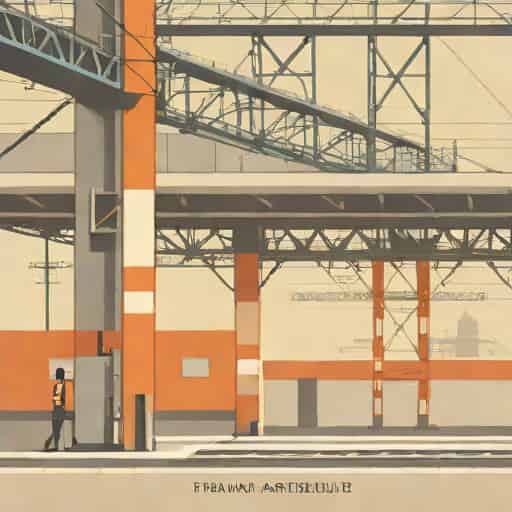
The Gare d’Austerlitz in Paris is one of the city’s most iconic railway stations, known for its historic architecture and strategic location along the Seine River. Over the years, this station has served as a key hub for travelers heading to southern France, central Europe, and regional destinations. To keep up with modern transportation demands and improve passenger experience, extensive travaux, or renovation works, have been underway. These travaux Gare d’Austerlitz focus on updating infrastructure, enhancing safety, improving accessibility, and integrating modern technology, all while respecting the historical character of the station. Understanding the scope and impact of these renovations provides insight into how Paris is adapting its transport hubs to meet contemporary needs.
History and Significance of Gare d’Austerlitz
Gare d’Austerlitz was inaugurated in 1840 and is named after the Battle of Austerlitz, reflecting France’s rich historical heritage. The station has undergone multiple expansions and renovations over the decades, adapting to the growing demands of railway travel. It is particularly significant as a departure point for trains to the south of France, including destinations like Orléans, Toulouse, and Bordeaux. Its architectural design combines classic 19th-century elements with modern functional needs, making it both a cultural landmark and a vital transport hub.
Objectives of the Travaux
The travaux Gare d’Austerlitz have multiple objectives aimed at improving the overall functionality and passenger experience. Key goals include
- Modernization of PlatformsExtending and upgrading platforms to accommodate longer trains and high-speed services.
- Accessibility ImprovementsInstalling elevators, ramps, and tactile pathways to assist passengers with reduced mobility.
- Safety EnhancementsImproving lighting, fire safety systems, and crowd management measures.
- Technological UpgradesIntegrating digital information systems, Wi-Fi access, and automated ticketing facilities.
- Preservation of Historical FeaturesEnsuring that renovations maintain the station’s architectural charm and heritage value.
By achieving these objectives, the station aims to offer a modern and efficient travel experience while honoring its historic significance.
Scope of the Renovation Works
The travaux at Gare d’Austerlitz are extensive and involve multiple phases. These include structural reinforcements, platform expansions, and modernization of waiting areas. Key aspects of the renovation include
- Platform and Track ImprovementsExtending existing platforms, upgrading track layouts, and adding high-speed train accommodations.
- Passenger FacilitiesRenovating waiting rooms, restrooms, and food courts to enhance comfort and convenience.
- Signage and NavigationInstalling clearer directional signs and digital information boards to help passengers navigate efficiently.
- Energy EfficiencyImplementing sustainable lighting, heating, and cooling systems to reduce environmental impact.
- Integration with Urban TransportImproving connections to metro lines, bus terminals, and bike-sharing stations for seamless mobility.
These efforts ensure that Gare d’Austerlitz meets the demands of modern rail transport while maintaining its historical essence.
Challenges in Renovating a Historic Station
Renovating a station like Gare d’Austerlitz presents unique challenges due to its age, heritage status, and high passenger traffic. Key challenges include
- Maintaining OperationsEnsuring that train services continue with minimal disruption during construction work.
- Preserving ArchitectureRenovations must respect original 19th-century design elements, requiring specialized restoration expertise.
- Coordinating Multiple StakeholdersCollaboration between SNCF (the national railway company), city authorities, contractors, and heritage organizations is essential.
- Managing SafetyConstruction activities must prioritize passenger safety in an active, crowded environment.
- Time and Budget ConstraintsLarge-scale projects like this require careful scheduling and financial planning to avoid delays and cost overruns.
Addressing these challenges requires meticulous planning, engineering expertise, and innovative solutions to balance modernization with heritage preservation.
Impact on Travelers
The travaux Gare d’Austerlitz aim to significantly improve the experience for daily commuters and long-distance travelers. Benefits include
- Reduced CongestionExpanded platforms and improved circulation areas reduce crowding during peak hours.
- Enhanced ComfortUpgraded waiting areas, seating, and climate control systems create a more pleasant travel environment.
- Better AccessibilityNew elevators, ramps, and tactile guides ensure that passengers with reduced mobility can navigate the station easily.
- Improved InformationReal-time digital displays and clear signage enhance navigation and travel planning.
- Faster TransfersStreamlined connections with metro, bus, and taxi services facilitate smooth transfers.
These improvements not only enhance convenience but also encourage greater use of public transport by making the station more accessible and user-friendly.
Integration with Paris’s Urban Development
The renovation of Gare d’Austerlitz is part of broader urban development initiatives in Paris. The city aims to modernize its transport hubs to support sustainable mobility, reduce traffic congestion, and improve the quality of urban life. The station’s location near the Seine makes it a focal point for integrated urban planning, connecting rail transport with pedestrian pathways, public spaces, and cultural sites. By aligning the travaux with city planning objectives, the renovation contributes to both functional transport infrastructure and enhanced urban aesthetics.
Environmental and Sustainability Considerations
Modernizing Gare d’Austerlitz also includes implementing sustainable practices. Key environmental initiatives include
- Installing energy-efficient lighting and HVAC systems to reduce energy consumption.
- Using sustainable building materials for construction and renovation.
- Enhancing waste management and recycling facilities within the station.
- Encouraging eco-friendly transport modes by improving bike and pedestrian access.
- Integrating green spaces and landscaping to enhance the station’s environmental footprint.
These measures reflect Paris’s commitment to sustainable urban development while modernizing critical transport infrastructure.
Future Outlook
Once the travaux Gare d’Austerlitz are completed, the station is expected to become a benchmark for modern, efficient, and heritage-conscious transport hubs. Travelers will benefit from smoother operations, enhanced comfort, and better accessibility. Additionally, the project sets a precedent for other historic stations in Paris and across Europe, demonstrating that modernization and heritage preservation can coexist. The improved infrastructure will support growing passenger volumes, high-speed rail services, and integrated urban mobility, ensuring that Gare d’Austerlitz remains a vital part of Paris’s transport network for decades to come.
The travaux Gare d’Austerlitz represent a comprehensive effort to modernize one of Paris’s most historic and important railway stations. Through platform upgrades, enhanced passenger facilities, technological integration, and heritage preservation, the renovation addresses both contemporary needs and historical significance. While challenges such as maintaining operations, preserving architecture, and coordinating multiple stakeholders exist, the long-term benefits for travelers, the city, and the environment are substantial. By improving comfort, accessibility, safety, and connectivity, the travaux ensure that Gare d’Austerlitz continues to serve as a key transport hub and cultural landmark, reflecting Paris’s commitment to combining tradition with modernity.
Overall, the ongoing renovation of Gare d’Austerlitz demonstrates how thoughtful planning and investment can enhance public infrastructure, support urban mobility, and preserve historical identity. The project not only improves the travel experience but also strengthens the station’s role in Paris’s urban landscape, ensuring it remains a vital and vibrant part of the city’s transportation network for generations to come.