The distal convoluted tubule (DCT) plays a critical role in the kidney’s ability to maintain fluid and electrolyte balance, regulate blood pressure, and support overall homeostasis. As part of the nephron, the functional unit of the kidney, the DCT follows the proximal convoluted tubule and the loop of Henle, performing fine-tuned reabsorption of ions, water, and other substances. While the proximal tubule handles the bulk of filtration reabsorption, the distal convoluted tubule is responsible for selective and hormonally regulated reabsorption processes that adjust the composition of urine according to the body’s needs. Understanding the mechanisms of reabsorption in the distal convoluted tubule is essential for comprehending renal physiology and the maintenance of electrolyte balance.
Structure of the Distal Convoluted Tubule
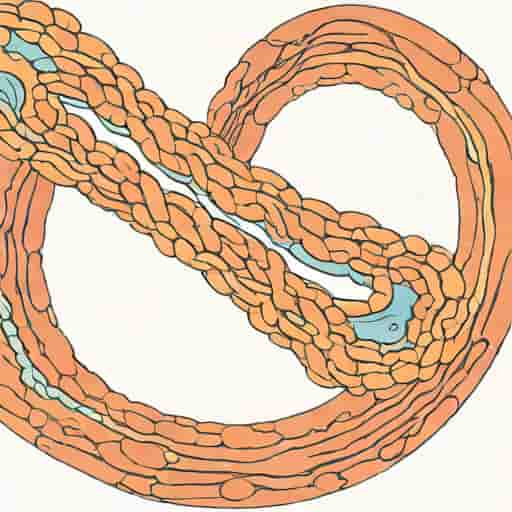
The distal convoluted tubule is a twisted segment of the nephron located between the loop of Henle and the collecting duct. It is lined by a single layer of epithelial cells, which are specialized for selective transport and reabsorption. These cells contain numerous mitochondria to provide the energy necessary for active transport processes. The DCT is subdivided into early and late segments, each responsible for different aspects of solute and water reabsorption. The tubule’s proximity to the glomerular apparatus allows it to respond to signals from hormones such as aldosterone, antidiuretic hormone (ADH), and parathyroid hormone (PTH), enabling precise regulation of the body’s electrolyte and fluid levels.
Functions of the Distal Convoluted Tubule
The distal convoluted tubule performs several key functions in the nephron, including
- Reabsorption of sodium and chloride ions via active transport mechanisms
- Secretion of potassium and hydrogen ions to maintain acid-base balance
- Calcium reabsorption regulated by parathyroid hormone
- Fine-tuning water reabsorption under the influence of antidiuretic hormone
These processes collectively ensure that the urine leaving the nephron is appropriately concentrated and that the body maintains stable electrolyte levels and blood pressure.
Mechanisms of Reabsorption
Reabsorption in the distal convoluted tubule involves both passive and active transport mechanisms, allowing for precise control over solute concentrations. Sodium reabsorption is particularly important, as it drives water reabsorption and influences blood volume and pressure. Sodium ions are transported into DCT epithelial cells through sodium-chloride symporters, which actively pump sodium and chloride from the tubular fluid into the cells. The energy for this process is provided by the sodium-potassium ATPase pump located on the basolateral membrane, which maintains a low intracellular sodium concentration, facilitating further uptake from the tubular lumen.
Role of Hormones
The distal convoluted tubule’s reabsorption processes are highly regulated by hormones, enabling the nephron to respond to the body’s physiological needs. Key hormonal regulators include
- AldosteroneSecreted by the adrenal cortex, aldosterone increases sodium reabsorption and potassium secretion in the late distal convoluted tubule. It acts by increasing the number of sodium channels and sodium-potassium ATPase pumps in the epithelial cells.
- Antidiuretic Hormone (ADH)Also known as vasopressin, ADH enhances water reabsorption by promoting the insertion of aquaporin channels into the DCT and collecting duct membranes. This allows water to follow sodium, concentrating the urine.
- Parathyroid Hormone (PTH)PTH stimulates calcium reabsorption in the distal convoluted tubule, ensuring that blood calcium levels are maintained within a narrow physiological range.
Ion-Specific Reabsorption
Different ions are selectively reabsorbed or secreted in the distal convoluted tubule to maintain homeostasis
Sodium and Chloride
Sodium and chloride reabsorption in the DCT is primarily mediated by sodium-chloride symporters. This active process ensures that essential electrolytes are retained in the body while contributing to the osmotic gradient that influences water reabsorption. The activity of these symporters is modulated by aldosterone, which adjusts sodium retention based on blood pressure and volume status.
Potassium
Potassium is secreted into the tubular fluid via potassium channels in the distal convoluted tubule. This process is also under the control of aldosterone, which stimulates potassium excretion to maintain electrolyte balance. Proper potassium regulation is crucial for cardiac and neuromuscular function.
Calcium and Magnesium
Calcium reabsorption in the distal convoluted tubule occurs via active transport mechanisms regulated by parathyroid hormone. Magnesium is also reabsorbed, although to a lesser extent, contributing to the maintenance of mineral balance in the body. The precise regulation of calcium and magnesium ensures proper bone health, muscle function, and metabolic activity.
Water Reabsorption
Water reabsorption in the distal convoluted tubule is relatively limited compared to the proximal tubule but is highly regulated. Antidiuretic hormone increases the permeability of the DCT to water, allowing it to follow the osmotic gradient created by sodium reabsorption. This process is essential for concentrating urine and preventing dehydration, particularly during periods of low fluid intake or increased water loss.
Distal Convoluted Tubule in Acid-Base Balance
The distal convoluted tubule also contributes to acid-base homeostasis by secreting hydrogen ions and reabsorbing bicarbonate. This activity helps regulate blood pH and maintain a stable internal environment. Hydrogen ions are secreted through proton pumps, while bicarbonate is reabsorbed into the bloodstream, allowing the kidney to correct metabolic acidosis or alkalosis.
Clinical Relevance
Understanding reabsorption in the distal convoluted tubule has important clinical implications. Dysfunction in this segment can lead to electrolyte imbalances, hypertension, and impaired acid-base regulation. For example, disorders such as Gitelman syndrome involve mutations affecting sodium-chloride transporters in the DCT, leading to hypokalemia, hypomagnesemia, and metabolic alkalosis. Additionally, diuretics like thiazides target the DCT to promote sodium and water excretion, which helps manage hypertension and edema. Knowledge of DCT function is therefore essential for diagnosing and treating kidney-related and systemic conditions.
The distal convoluted tubule is a key site for fine-tuning the reabsorption of ions, water, and other substances to maintain homeostasis. Its specialized epithelial cells, energy-dependent transport mechanisms, and hormonal regulation enable precise control over sodium, potassium, calcium, magnesium, and water balance. Reabsorption in the DCT contributes to blood pressure regulation, fluid balance, acid-base homeostasis, and overall kidney function. Understanding these processes is critical for medical students, healthcare professionals, and researchers studying renal physiology and pathophysiology. The distal convoluted tubule’s selective reabsorption mechanisms exemplify the kidney’s remarkable ability to adapt to the body’s changing physiological demands while maintaining internal stability.