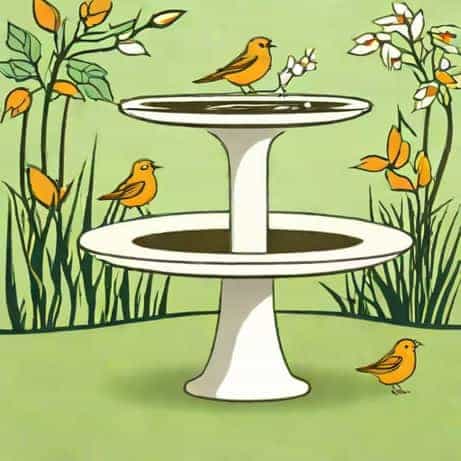
Creating a birdbath is a simple, rewarding way to bring more life into your garden while offering local birds a safe place to drink and bathe. Many homeowners enjoy the satisfaction of crafting something by hand, especially when it helps wildlife thrive. Making your own birdbath does not require advanced skills or special tools, and it can be customized to fit any outdoor style. Whether you prefer a rustic look, a modern design, or a playful decorative piece, a homemade birdbath becomes a meaningful part of your outdoor space. With a little creativity and basic materials, you can build an inviting feature that attracts a variety of bird species and enhances your backyard environment.
Understanding the Purpose of a Birdbath
Why Birds Need Access to Fresh Water
Birds rely on water not only for drinking but also for maintaining healthy feathers. Clean water helps remove dust and parasites, allowing them to fly better and regulate their body temperature. A well-designed birdbath provides a shallow, safe place where they can splash, preen, and rest.
In many areas, natural water sources may dry out during certain seasons. By making your own birdbath, you help local wildlife stay hydrated and active throughout the year. A consistent source of water can attract songbirds, finches, sparrows, and other species to your yard.
Benefits for Your Garden and Ecosystem
A garden birdbath encourages biodiversity. Birds contribute to a healthy environment by controlling insects, spreading seeds, and adding movement and sound to your outdoor space. When you create a bird-friendly garden, you support a natural balance that benefits plants, pollinators, and soil health.
Adding a homemade birdbath also enhances the visual appeal of your yard. It can serve as a decorative focal point that blends with flowers, shrubs, and landscaping features.
Choosing the Right Design
What Makes a Birdbath Functional
The best birdbaths are simple and practical. Depth plays a major role most birds prefer shallow water, ideally around 1 to 2 inches deep. The surface should have a gentle slope, allowing birds to find the depth they are comfortable with.
A stable base is equally important. Whether you build a pedestal, hang the bowl, or set it on the ground, the birdbath must not wobble. Steady structures prevent accidents and help birds feel secure while using it.
Materials You Can Use at Home
One advantage of making your own birdbath is the freedom to choose materials that match your personal style. Many items can be repurposed into a functional design.
- Clay saucers or planters
- Shallow ceramic bowls
- Large leaves for cement castings
- Tree stumps or wooden bases
- Metal or plastic trays
- Stones or river rocks for added texture
With a bit of creativity, ordinary household or garden items can become attractive components of a customized birdbath.
Step-by-Step Guide to Making Your Own Birdbath
1. Designing the Base
The base supports the birdbath and determines its height. Many people choose a pedestal-style base because it elevates the water bowl and keeps it visible. If you prefer a natural look, placing the birdbath on a large tree stump or grouping stones can work well.
To build a simple pedestal base
- Stack terracotta pots upside down
- Secure them with outdoor-safe adhesive
- Ensure the structure is level and sturdy
If you want a grounded design, consider using flat paving stones to stabilize the bowl.
2. Choosing or Creating the Bowl
The bowl is the most important part of the birdbath. A clay saucer designed for planters works wonderfully because it is shallow and textured. Ceramic bowls can be used as well, though smooth surfaces may require a few pebbles inside to help birds grip.
You can also create your own bowl using cement and a large leaf mold. This method produces a natural look and a textured surface that birds appreciate.
3. Assembling the Birdbath
Once you have the base and bowl ready, assemble the pieces carefully. Set the bowl on the base and check its stability. If needed, add adhesive around the edges to keep it secure. Make sure the bowl sits level so the water distributes evenly.
Adding small stones in the bowl not only gives birds better footing but also creates a more interesting visual effect.
4. Filling and Testing the Birdbath
Fill the bowl with clean, fresh water, but avoid making it too deep. Birds prefer shallow water, and deeper areas can discourage them from approaching. After filling it, observe how the water settles.
Ensure that
- The water depth stays between 1 and 2 inches
- The bowl remains steady when touched
- The base does not shift in the wind
Once everything is secure, your birdbath is ready for visitors.
Placement Tips for Maximum Bird Activity
Finding a Safe and Attractive Location
The location of your birdbath affects how often birds use it. Most birds prefer open areas where they can see approaching predators. Place the birdbath in a spot with plenty of visibility but also near shrubs or branches that offer quick escape routes.
A partially shaded area helps keep the water cooler, especially in warm climates. Avoid placing the birdbath directly under trees where falling debris may contaminate the water.
Encouraging More Visitors
Birds are more likely to visit if the birdbath feels natural and inviting. Adding a few stones or a gentle slope in the bowl mimics natural water sources. Keeping the water clean and fresh ensures birds return regularly.
Some homeowners add simple accessories, like a small fountain pump to create gentle movement. While not required, running water can attract species that prefer flowing streams.
Maintaining Your Birdbath
Keeping the Water Clean
Cleanliness is essential for bird health. Stagnant water can harbor bacteria or attract insects. Change the water daily when possible, especially during warm weather. Scrub the bowl regularly with a brush and rinse thoroughly.
A clean birdbath helps prevent the spread of disease and ensures a safe environment for all visitors.
Seasonal Care
Different seasons require different care routines. In summer, monitor water levels more frequently as evaporation increases. In winter, prevent ice from forming by using warm water or placing the bowl in a sunny area. Avoid adding chemicals or salts, as these can harm birds.
Creative Ideas to Personalize Your Birdbath
Adding Natural Elements
Stones, driftwood, and small plants can enhance the appearance of your birdbath and help it blend into your garden. Natural accessories create a more inviting environment for birds.
Decorative Enhancements
If you enjoy crafting, consider decorating the base with mosaic tiles, painting terracotta pots, or adding subtle patterns. Personal touches make your birdbath stand out as a unique feature in your yard.
Making your own birdbath is a creative and enjoyable way to support local birds while beautifying your outdoor space. With simple materials and thoughtful design, you can build a functional and attractive water source that becomes a favorite stop for many species. A homemade birdbath not only enriches your garden but also strengthens your connection to nature, offering daily opportunities to observe the wildlife it attracts. By selecting the right location, maintaining clean water, and adding personal touches, you can create a meaningful centerpiece that benefits both your yard and the birds that visit it.