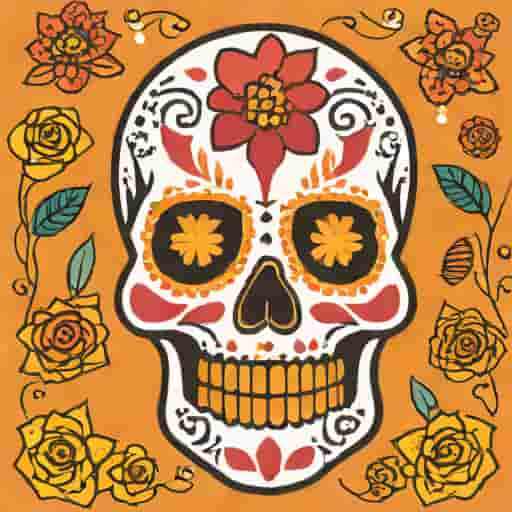
Dia de los Muertos, or the Day of the Dead, is a vibrant and deeply meaningful Mexican holiday that honors and celebrates the lives of deceased loved ones. Often misunderstood outside of its cultural context, Dia de los Muertos is far more than just a day to mourn; it is a festive occasion filled with color, music, food, and ritual. Observed on November 1st and 2nd each year, this holiday reflects the Mexican perspective on life and death, emphasizing remembrance, continuity, and the joy of reconnecting with ancestors. Understanding the significance of Dia de los Muertos provides insight into its rich traditions, symbolism, and the ways in which communities preserve cultural identity through celebration.
Origins and Historical Background
The roots of Dia de los Muertos can be traced back thousands of years to the indigenous cultures of Mesoamerica, including the Aztec, Maya, and Toltec civilizations. These societies had intricate belief systems regarding death and the afterlife, often viewing it as a natural and integral part of the human experience. The Aztecs, in particular, held monthly rituals to honor the dead, which included offerings of food, flowers, and ceremonial objects. With the arrival of Spanish colonizers in the 16th century, these pre-Hispanic traditions merged with Catholic practices, including All Saints’ Day and All Souls’ Day, creating the modern form of Dia de los Muertos that blends indigenous and European influences.
Significance of the Celebration
Dia de los Muertos is fundamentally a celebration of life rather than a period of grief. Families gather to honor their ancestors, sharing stories, music, and meals that reflect the personalities and passions of those who have passed. The holiday reinforces the idea that death is a continuation of life, and the spirits of the deceased are believed to return to visit the living during this time. Altars, known as ofrendas, are created in homes and cemeteries as a central feature of the celebration, offering symbolic items to welcome and honor the departed.
Traditional Practices and Rituals
The customs of Dia de los Muertos are highly symbolic and vary across regions, but certain elements are commonly observed. Families often clean and decorate gravesites with marigolds, candles, and personal mementos, believing that the scent of the flowers helps guide the spirits back home. Altars inside homes feature photographs, favorite foods, drinks, and objects that held significance for the deceased. Sugar skulls, or calaveras, are decorative candies that symbolize the sweetness of life and the inevitability of death. Many communities also hold parades, dances, and musical performances, turning cemeteries and streets into lively spaces of remembrance.
Ofrendas and Symbolism
- PhotographsImages of the deceased serve as a focal point for remembrance.
- MarigoldsKnown as cempasúchil, these bright orange flowers are believed to attract spirits with their vibrant color and scent.
- Food and DrinkTraditional favorites such as pan de muerto, tamales, or the deceased’s preferred dishes are offered on the altar.
- Personal ItemsObjects that reflect the personality or hobbies of the departed help connect the living and the spirits.
- Candles and IncenseLight represents hope and guidance, aiding the spirits on their journey.
Cultural and Artistic Expressions
Dia de los Muertos is renowned for its rich visual culture, which includes elaborate face painting, colorful costumes, and vibrant decorations. Skull imagery, skeleton figurines, and papel picado-intricately cut tissue paper-adorn homes, streets, and altars. The festival encourages creativity and personal expression, allowing families and communities to honor the dead in unique ways. Artistic interpretations, from murals to performances, have become a hallmark of the celebration, emphasizing the connection between life, death, and memory.
Music and Storytelling
Music plays a crucial role in Dia de los Muertos, with traditional songs, mariachi performances, and modern interpretations creating an atmosphere of joy and reflection. Storytelling is equally important, as families share anecdotes, achievements, and memories of the deceased. This oral tradition strengthens familial bonds and ensures that the legacies of ancestors continue through generations.
Modern Observance and Global Influence
While Dia de los Muertos remains a deeply Mexican tradition, its cultural significance has spread internationally, influenced by media, migration, and global interest in Mexican culture. In cities with large Mexican communities, public celebrations, parades, and exhibitions provide opportunities for education and engagement. Films, literature, and art often incorporate Dia de los Muertos themes, showcasing the holiday’s beauty and emotional resonance. Despite its global reach, the core purpose remains the same to honor the dead, celebrate life, and maintain connections between generations.
Impact on Contemporary Society
- Encourages intergenerational dialogue, helping younger generations understand their heritage.
- Promotes cultural pride and identity, both locally and globally.
- Inspires art, fashion, and media projects that bring attention to Mexican traditions.
- Provides a framework for reflection on mortality and the importance of family and community.
Common Misunderstandings
Outside Mexico, Dia de los Muertos is sometimes confused with Halloween due to similar visual motifs like skeletons and costumes. However, the two holidays are distinct. Halloween focuses on fright, costumes, and trick-or-treating, whereas Dia de los Muertos emphasizes remembrance, honor, and celebration of life. Misrepresenting the holiday can diminish its cultural and spiritual significance, so education about its traditions and meanings is essential.
Dia de los Muertos is a multifaceted holiday that reflects the Mexican view of life, death, and the enduring bonds between generations. Through rituals, altars, music, and art, families commemorate the lives of loved ones, transforming grief into celebration. The holiday combines ancient indigenous traditions with European influences, creating a unique cultural phenomenon that continues to thrive in contemporary society. Understanding Dia de los Muertos requires more than a superficial glance; it invites appreciation for its symbolism, history, and the joy it brings to communities. By honoring ancestors, sharing stories, and participating in communal celebrations, Dia de los Muertos reinforces the value of family, memory, and cultural identity, reminding us that life and death are interconnected, and that love transcends the boundaries of time.