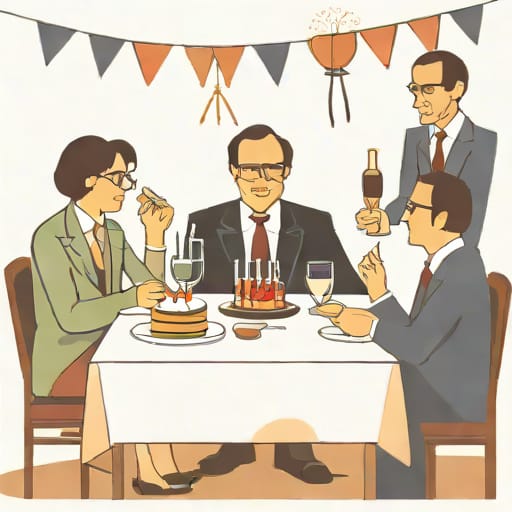
Harold Pinter’s play,The Birthday Party, is a seminal work in modern theatre that continues to captivate audiences with its intense exploration of human psychology, power, and social tension. First performed in 1958, the play initially received mixed reviews, but it has since been recognized as a cornerstone of the Theatre of the Absurd, highlighting Pinter’s unique approach to dialogue, silence, and dramatic structure. The story revolves around a seemingly ordinary boarding house and the unsettling events that occur when two mysterious strangers arrive, revealing dark undercurrents and disturbing truths. Understanding the themes, characters, and techniques employed inThe Birthday Partyprovides insight into why Pinter remains one of the most influential dramatists of the 20th century.
Plot Overview
The play is set in a modest seaside boarding house run by Meg and her husband Petey. Their routine life is disrupted when Stanley Webber, a former piano player, lives quietly in one of the rooms. The calm atmosphere is shattered when two enigmatic strangers, Goldberg and McCann, arrive under mysterious circumstances. They claim to have business with Stanley, gradually revealing that his past may not be as innocent as he presents. The titular birthday party, ostensibly meant to celebrate Stanley, quickly devolves into a disturbing and surreal confrontation, where power, intimidation, and psychological manipulation take center stage. Pinter’s mastery of tension keeps the audience uncertain of characters’ motives and the eventual outcome.
Main Characters
- Stanley WebberThe central character, a former pianist with a murky past. His interactions with the strangers and his eventual unraveling drive much of the play’s tension.
- MegThe owner of the boarding house, characterized by her nervousness and desire for stability. She represents ordinary domestic life disrupted by external threats.
- PeteyMeg’s husband, who is generally passive and seeks to maintain order. His relationship with Meg and Stanley highlights themes of control and helplessness.
- GoldbergOne of the two strangers, authoritative, intimidating, and manipulative. Goldberg represents the oppressive force of unseen societal pressures.
- McCannGoldberg’s accomplice, physically imposing but less articulate, symbolizing brute force and the darker side of authority.
Themes inThe Birthday Party
Pinter’s play delves into a range of themes, combining the mundane with the menacing to create an unsettling atmosphere. Key themes include
Power and Control
One of the central themes is the struggle for power and dominance. Goldberg and McCann assert control over Stanley through psychological and physical intimidation, turning an ordinary birthday gathering into a tense and threatening situation. This dynamic examines how authority can be both overt and subtle, influencing behavior and creating fear. Pinter’s use of silence and pauses amplifies the tension, demonstrating how power is often communicated through what is unsaid as much as what is spoken.
Identity and Deception
Stanley’s hidden past and the ambiguous motives of Goldberg and McCann explore themes of identity and the fragility of personal history. Characters conceal aspects of themselves or manipulate the truth, raising questions about authenticity and trust. Pinter blurs the line between reality and performance, suggesting that social roles often mask deeper anxieties and threats.
Isolation and Vulnerability
The setting of the boarding house, a confined domestic space, intensifies feelings of isolation. Stanley, despite being surrounded by Meg and Petey, is vulnerable to the strangers’ intrusion. The theme of isolation extends beyond physical confinement, reflecting emotional and psychological states that leave individuals exposed to external control and manipulation. The play effectively portrays how ordinary spaces can become arenas of psychological conflict.
Style and Dramatic Techniques
Pinter’s distinctive style is evident throughoutThe Birthday Party. His use of language, silence, and ambiguity contributes to the play’s enduring impact.
Use of Language
Pinter’s dialogue is often deceptively simple, conveying tension through subtext rather than exposition. Conversations are fragmented, interrupted, and layered with meaning, allowing the audience to sense the underlying conflict even when the words appear mundane. This technique, often called the Pinteresque style, emphasizes ambiguity and leaves room for interpretation.
Silence and Pauses
Silence is a powerful tool in Pinter’s play. Pauses, hesitations, and gaps in conversation create suspense, convey unspoken emotions, and reveal character dynamics. The pauses allow tension to build and make interactions feel loaded with potential violence or conflict. This careful orchestration of timing and rhythm distinguishes Pinter from other dramatists of his era.
Absurdity and Surrealism
While grounded in a domestic setting,The Birthday Partycontains elements of absurdity and surrealism. The intrusion of Goldberg and McCann, the incongruity of a birthday party turning threatening, and the shifting power dynamics contribute to a sense of disorientation. Pinter blends realism with absurd elements to reflect the unpredictability and irrationality of human behavior.
Critical Reception and Influence
When first performed,The Birthday Partyreceived mixed reviews, with some critics confused by its ambiguous plot and unsettling tone. Over time, however, it has been recognized as a landmark in modern theatre. Pinter’s exploration of power, identity, and existential anxiety has influenced countless playwrights and directors, cementing his reputation as one of the most significant voices of the 20th century. The play’s themes resonate with contemporary audiences, highlighting the universality of fear, control, and uncertainty in human interactions.
Legacy
- The play helped establish Harold Pinter as a major figure in British theatre.
- It contributed to the development of the Theatre of the Absurd, alongside works by Beckett and Ionesco.
- Pinter’s techniques, particularly his use of pauses and subtext, have influenced modern drama and acting methodology.
- Adaptations in film, radio, and international theatre continue to keep the play relevant and accessible to new audiences.
Harold Pinter’sThe Birthday Partyis a complex exploration of power, identity, and the fragility of human stability. Its combination of domestic realism, psychological tension, and absurdist elements creates a theatrical experience that is both unsettling and thought-provoking. By examining characters, themes, and Pinter’s unique style, audiences can appreciate how the play challenges conventional narrative forms and highlights the unpredictable nature of human relationships. The play remains a vital piece of modern theatre, demonstrating the enduring relevance of Pinter’s vision and the profound impact of his innovative approach to dialogue and stagecraft.