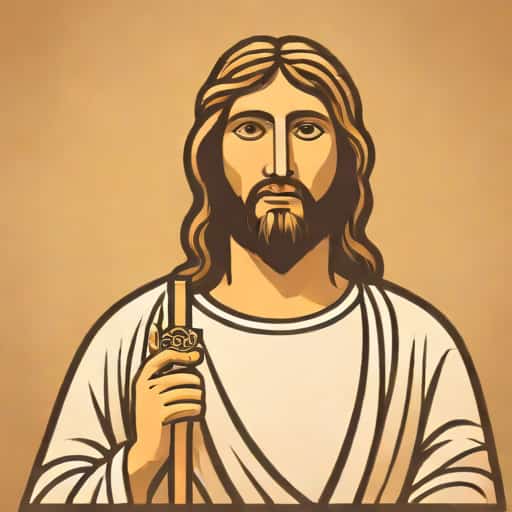
The phrase Ecce Homo, translated as Behold the Man, has resonated through history as one of the most powerful and evocative expressions in Christian theology and art. Originating from the Latin translation of the Bible, these words were spoken by Pontius Pilate when presenting Jesus Christ to the crowd prior to his crucifixion. Beyond its biblical origin, Ecce Homo has inspired centuries of artistic representation, theological reflection, and cultural interpretation. Its significance lies not only in its religious context but also in the way it conveys human suffering, dignity, and the complex interplay of justice and injustice. Understanding Ecce Homo requires examining its historical roots, artistic depictions, and enduring influence on culture and thought.
Historical and Biblical Context
The phrase Ecce Homo comes from the Gospel of John 195, where Pilate presents Jesus to the people after he has been scourged and crowned with thorns. This moment is central to the Passion narrative, emphasizing both the humanity and the suffering of Christ. Pilate’s words, often interpreted as ironic or reluctant, invite the audience to witness the embodiment of innocence subjected to humiliation and judgment. The passage captures the tension between divine purpose and human action, highlighting themes of compassion, injustice, and the tragic elements of human society.
Meaning and Interpretation
- Ecce Homo literally translates to Behold the Man, drawing attention to Jesus’ human form and suffering.
- The statement serves as a theological reflection on the dual nature of Christ, both human and divine.
- It has been interpreted as a critique of societal indifference to innocence and suffering.
- The phrase also raises philosophical questions about empathy, morality, and the responsibility of witnesses to injustice.
Artistic Representations of Ecce Homo
Throughout history, the Ecce Homo scene has inspired countless artists, particularly during the Renaissance and Baroque periods. Painters and sculptors have sought to capture the profound emotional and spiritual weight of the moment, using visual imagery to convey suffering, dignity, and compassion. The depiction often includes Jesus wearing the crown of thorns, a purple robe, and an expression of calm resignation or sorrow, emphasizing both his humanity and his divinity. Artists such as Titian, Caravaggio, and Bosch offered distinct interpretations, blending realism with symbolic meaning.
Key Features in Art
- Focus on facial expressions Capturing the mixture of pain, serenity, and moral strength.
- Use of light and shadow Highlighting the contrast between suffering and divine presence.
- Symbolic elements Including the crown of thorns, the purple robe, and the mocking crowd to underscore themes of humiliation and injustice.
- Composition Often placing Jesus centrally to draw the viewer’s attention to his humanity and suffering.
Ecce Homo in Literature and Culture
Beyond visual art, Ecce Homo has left a lasting impression on literature, philosophy, and popular culture. Friedrich Nietzsche famously used the phrase as the title of his 1888 autobiographical work Ecce Homo, where he explored themes of individuality, morality, and human potential. In this context, Nietzsche appropriated the biblical phrase to examine human excellence and self-realization, demonstrating the adaptability of the term across disciplines. Literature, theater, and poetry have similarly drawn upon the evocative power of Behold the Man to explore human vulnerability, suffering, and ethical responsibility.
Theological Implications
From a theological perspective, Ecce Homo emphasizes the profound mystery of Christ’s incarnation and suffering. It invites reflection on the human condition, empathy, and the moral obligations of individuals and societies. The moment captured by Pilate’s words challenges believers to confront questions of justice, compassion, and the recognition of the sacred within human experience. In this sense, Ecce Homo transcends its historical moment, speaking to universal themes that remain relevant across cultures and generations.
Modern Interpretations
In contemporary culture, Ecce Homo continues to inspire reinterpretation in visual media, film, and performance art. Modern artists and filmmakers often focus on the emotional and ethical dimensions of the narrative, emphasizing the universality of suffering and the human need for compassion. Public installations, theatrical adaptations, and literary works use the phrase as a touchstone for exploring social injustice, human resilience, and the moral responsibilities of bystanders. These interpretations show how a historical biblical statement can maintain relevance in addressing contemporary ethical and artistic concerns.
Ecce Homo and Empathy
- The scene encourages viewers to confront suffering and recognize shared humanity.
- It prompts reflection on how individuals respond to injustice and vulnerability.
- Modern adaptations often highlight themes of social justice, inequality, and moral responsibility.
- The enduring power of the phrase lies in its ability to evoke emotional and ethical engagement across time.
Famous Ecce Homo Artworks
Several Ecce Homo artworks have become iconic, each offering a unique perspective on the biblical scene. Caravaggio’s version uses dramatic chiaroscuro to emphasize the stark realism of Jesus’ suffering, while Titian’s rendition highlights the elegance and pathos of the moment. In Spain, the Ecce Homo frescoes often include vivid emotional expressions and rich color, conveying both the intensity of suffering and the spiritual significance of the event. Each artwork reflects the cultural, theological, and artistic values of its time, demonstrating the adaptability and enduring relevance of the Ecce Homo theme.
Ecce Homo – Behold the Man is more than a biblical phrase; it is a profound expression of human vulnerability, moral responsibility, and artistic inspiration. From its origins in the Gospel of John to its representation in art, literature, and modern culture, Ecce Homo continues to challenge audiences to reflect on suffering, empathy, and justice. By examining the historical context, artistic depictions, and cultural significance, one can appreciate the enduring power of this moment and its relevance across centuries. The phrase invites viewers, readers, and listeners to pause, observe, and engage with the universal human experiences it represents.
Ultimately, Ecce Homo serves as a bridge between history, theology, and artistic expression, reminding us that the recognition of human suffering and dignity remains a timeless concern. Whether encountered in the quiet reflection of a museum, the pages of a book, or a modern reinterpretation, Behold the Man continues to inspire contemplation, compassion, and creativity, affirming its place as one of the most resonant and enduring expressions in human culture.