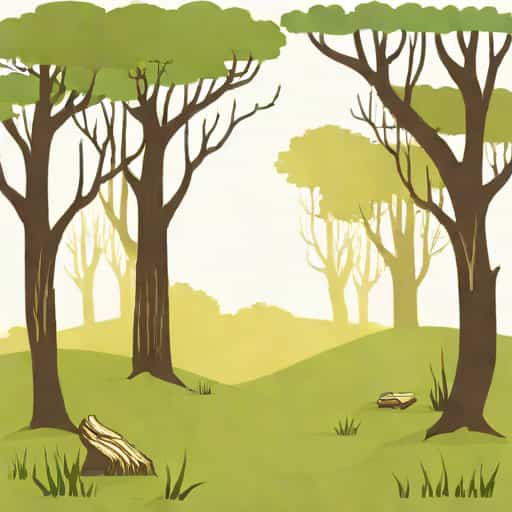
Wandering through imagined landscapes often reveals how myth and environment blend into one another. The Eastern Barri Woods, frequently associated with the Remnants of Asgard in various interpretations of Norse-inspired worlds, represent a place where history, fantasy, and symbolism intersect. Even though these woods belong to fictional or myth-influenced settings, the ideas surrounding them feel rich and meaningful. For many fans of Norse mythology or fantasy lore, the notion of an ancient forest hiding long-lost traces of a divine civilization invites reflection about what remains after powerful eras fade. Exploring the Eastern Barri Woods and the Remnants of Asgard becomes a journey into themes of ruin, resilience, and the enduring echo of old stories.
The Significance of the Eastern Barri Woods
In many fictional universes, forests act as living archives. The Eastern Barri Woods often symbolize a natural world that has grown over the edges of a collapsed kingdom. The woods are usually portrayed as peaceful yet mysterious, offering clues to what once stood in the area. Whether interpreted as dense, moss-covered paths or towering trees standing guard over forgotten landmarks, the woods create a sense of transition from what was once mighty to what is now quiet and hidden.
A Landscape Shaped by Time
The idea of the Eastern Barri Woods being shaped by both natural forces and the remnants of Asgard suggests a world where civilization and nature interact continuously. Instead of wiping away history, the forest absorbs it. Ruins may peek out from beneath roots or be scattered like fading footprints of a vanished realm. This contrast creates a strong atmosphere that draws explorers deeper into its lore.
- Natural growth overtaking ancient structures
- Subtle signs of past civilizations integrated into the landscape
- Atmosphere blending serenity with lingering mystery
The Remnants of Asgard as Storytelling Elements
When people refer to the Remnants of Asgard within these woods, they often imagine traces of mythical architecture or artifacts left behind after the fall of a once-powerful world. In many fantasy narratives, Asgard symbolizes strength, glory, and divine purpose. Its destruction or abandonment becomes a metaphor for change and vulnerability. Seeing the remaining fragments within the forest invites introspection about the rise and fall of great societies.
Symbolism Within the Ruins
The ruins themselves can convey multiple layers of meaning. Crumbling stonework or shattered monuments may represent the end of an era, while scattered engravings or broken statues might hint at a time when gods or heroes walked the land. Such remnants act as silent storytellers, each piece offering a fragment of a grand narrative that visitors must piece together.
- Fallen pillars symbolizing lost power
- Rusted or moss-covered relics showing the passage of time
- Architectural fragments hinting at forgotten cultural identity
How the Woods and the Ruins Interact
The Eastern Barri Woods and the Remnants of Asgard are deeply intertwined. Rather than existing separately, they rely on each other to create a compelling setting. The woods soften the edges of the ruins, while the ruins add depth and purpose to the forest. This relationship enhances the emotional impact of the location, as visitors experience a place where nature and myth coexist.
The Role of Nature in Preservation
Nature is not merely reclaiming the remains of Asgard; in many ways, it is preserving them. Roots may weave around broken columns like protective hands. Moss may cover symbols carved into stone, but the markings remain safe beneath its cushion. The forest becomes a caretaker-hiding, guarding, and preserving history in its own quiet way.
This interplay reinforces the idea that even in decline, the past continues to influence the present. The remnants embedded in the environment remind anyone passing through that stories do not simply vanish; they evolve.
Why the Setting Appeals to Fans of Fantasy Worlds
Part of the appeal of the Eastern Barri Woods and the remnants believed to be part of Asgard’s legacy comes from the emotional tone they evoke. People enjoy exploring imaginary places that blend grand mythology with natural beauty. It feels familiar yet otherworldly, grounded yet magical. This mixture sparks curiosity while still providing enough mystery to allow personal interpretation.
A Balance of Mystery and Clarity
The woods offer enough clues to keep explorers intrigued, yet not so many that the story feels overly explained. This balance is crucial in fantasy worldbuilding. The ruins give shape to the narrative, while the details hidden in the trees invite speculation.
- Clues scattered through environmental storytelling
- Freedom for fans to interpret origins or meaning
- An emotional tone that blends melancholy and wonder
Possible Origins of the Remnants
Because these locations appear in fictional contexts, their origins can vary depending on the interpretation. Some worlds suggest that Asgard fell during a cosmic battle. Others imply that time naturally eroded a once-proud realm. Some combine both ideas, allowing mythic events and environmental processes to work together in shaping the landscape.
Interpretations Across Different Narratives
One story might portray the Remnants of Asgard as pieces of a shattered celestial palace. Another might imagine them as temples, fortresses, or mystical gateways. Each interpretation adds new layers without changing the fundamental atmosphere of the Eastern Barri Woods as a place of reflection and memory.
This flexibility is part of what makes the setting compelling. It adapts to the imagination of each storyteller, giving the woods a timeless quality.
The Experience of Exploring the Eastern Barri Woods
Exploration is a key theme associated with the area. Visitors-whether in a game, book, or imagined world-often describe a sense of awe as they encounter subtle signs of ancient presence. The quietness of the forest may enhance the emotional tone, making each discovery feel meaningful.
Elements That Shape the Journey
Exploring a forest like this is not only about visual elements. Sounds, textures, and atmosphere contribute to the experience. The gentle rustling of leaves might contrast with the weight of the history surrounding the ruins. Light filtering through branches can illuminate carvings or fragments, creating a dramatic reveal.
- Shifts in lighting guiding attention to hidden details
- Natural sounds building tension or calm
- Unexpected discoveries enhancing the narrative
Emotional Layers Behind the Setting
What stays with many people after imagining or visiting this kind of place is the emotional resonance. The Eastern Barri Woods offer feelings of serenity mixed with nostalgia. The Remnants of Asgard evoke a sense of loss paired with admiration for the enduring legacy of a powerful civilization.
Reflecting on Themes of Change
The setting encourages reflection on transformation. What once was strong and revered can fade, but its essence remains. The ruins remind us that even great societies leave traces behind. Nature’s embrace suggests that endings are part of an ongoing cycle of renewal.
This emotional layering makes the forest more than just a background. It becomes a symbolic space that mirrors universal experiences of memory, growth, and transition.
The Eastern Barri Woods and the Remnants of Asgard form a rich imaginative setting that blends mythology, atmosphere, and storytelling potential. The forest stands as a quiet guardian of the past, while the ancient fragments of Asgard provide context and meaning. Together, they create a place that resonates with themes of history, mystery, and the enduring power of myth. Whether interpreted through fantasy lore or personal imagination, this environment invites exploration, reflection, and a deeper appreciation for the stories shaped by time.