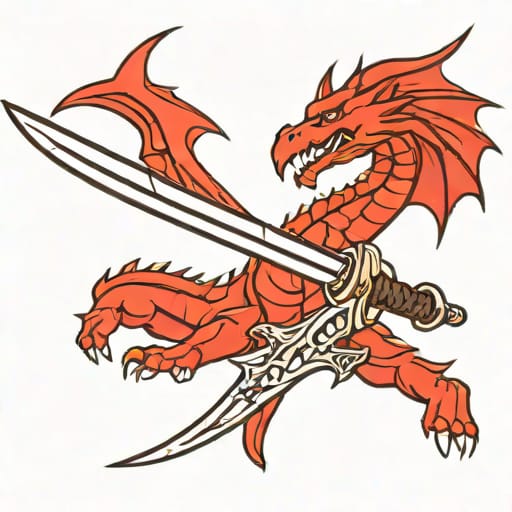
The legendary weapons of martial arts lore, Dragon Sabre and Heavenly Sword, have captured the imagination of countless enthusiasts around the world. Known for their unique powers and the epic stories surrounding them, these two weapons are central to many novels, games, and cinematic adaptations. The Dragon Sabre and Heavenly Sword are not merely physical objects but symbols of strength, honor, and destiny in the martial arts universe. Their contrasting characteristics, historical significance, and mythical allure make them a fascinating subject for discussion, analysis, and admiration among fans and scholars alike. Understanding the stories behind these weapons provides insight into the intricate world of martial arts fiction and the enduring appeal of legendary arms.
Origin and Historical Significance
The Dragon Sabre and Heavenly Sword have roots in Chinese martial arts literature, particularly in the wuxia genre, where heroes, villains, and epic battles define the narrative landscape. The Dragon Sabre is often depicted as a weapon forged with incredible craftsmanship, symbolizing power, aggression, and authority. In contrast, the Heavenly Sword is portrayed as a more refined weapon, representing justice, wisdom, and spiritual enlightenment. These weapons are often passed down through generations, becoming heirlooms imbued with the experiences, skills, and virtues of their previous wielders. Their origin stories frequently involve mystical elements, secret techniques, and legendary blacksmiths, contributing to their mythical status in martial arts folklore.
The Dragon Sabre
The Dragon Sabre, also known as Long Dao, is characterized by its heavy and formidable design. Traditionally, it is associated with raw power and dominance in combat. In martial arts stories, the Dragon Sabre is often wielded by warriors with extraordinary strength and combat skills, capable of devastating opponents with a single strike. The weapon’s design emphasizes force and intimidation, making it suitable for aggressive techniques and battlefield scenarios. Legends suggest that the Dragon Sabre can only be mastered by those with unwavering determination and physical prowess, reflecting the idea that strength alone is not enough without discipline and training. The weapon often serves as a narrative device to highlight the hero’s growth, challenges, and triumphs.
The Heavenly Sword
The Heavenly Sword, or Tian Jian, contrasts sharply with the Dragon Sabre. It is often lighter, more agile, and requires precision and skill to wield effectively. The Heavenly Sword symbolizes moral righteousness, intellectual acumen, and spiritual insight. In many tales, heroes who wield the Heavenly Sword are not only powerful fighters but also virtuous individuals committed to justice and honor. The sword’s legendary status is enhanced by its intricate design, often described as having mystical properties or being imbued with sacred energy. The Heavenly Sword is frequently associated with strategic thinking and elegance in combat, making it the weapon of choice for tacticians and noble warriors in the stories.
Legends and Stories
Stories surrounding the Dragon Sabre and Heavenly Sword are rich with intrigue, adventure, and moral lessons. These weapons often serve as central plot devices, driving the narrative forward through quests, duels, and power struggles. In some stories, the Dragon Sabre is sought by ambitious warriors aiming to dominate the martial arts world, while the Heavenly Sword is pursued by heroes who strive to protect the innocent and maintain balance. Conflicts between the wielders of these weapons often lead to epic battles, testing not only physical skill but also character and judgment. The legends emphasize the duality between power and virtue, destruction and protection, chaos and order.
Symbolism in Martial Arts
The symbolic meanings of the Dragon Sabre and Heavenly Sword extend beyond their roles as weapons. The Dragon Sabre embodies the raw, untamed power of nature and human ambition. It represents the challenges of mastering one’s strength and the consequences of wielding power without wisdom. On the other hand, the Heavenly Sword reflects the harmony between strength and intellect, demonstrating that true mastery involves not only physical ability but also moral integrity and strategic foresight. These contrasting symbols offer readers and viewers a deeper understanding of heroism, ethics, and personal growth within martial arts culture.
Impact on Popular Culture
The Dragon Sabre and Heavenly Sword have significantly influenced popular culture, particularly in films, video games, and television series. Adaptations often highlight the weapons’ unique characteristics, crafting narratives that blend action, adventure, and philosophy. Video games may allow players to choose between the brute force of the Dragon Sabre or the precision of the Heavenly Sword, reflecting the dual paths of power and virtue. Cinematic portrayals often use elaborate fight choreography and special effects to bring these legendary weapons to life, emphasizing their mythical and awe-inspiring qualities. Through these media, the Dragon Sabre and Heavenly Sword continue to captivate global audiences, inspiring new generations of martial arts enthusiasts.
Combat Techniques and Mastery
Mastery of the Dragon Sabre and Heavenly Sword is a recurring theme in martial arts narratives. The Dragon Sabre requires techniques that leverage strength, momentum, and powerful strikes. Users must train rigorously to harness the weapon’s destructive potential while maintaining control. Conversely, the Heavenly Sword demands agility, precision, and deep understanding of combat principles. Wielders must anticipate their opponents’ moves, apply refined techniques, and strike decisively. The contrasting styles reflect different philosophies of martial arts, where strength alone is insufficient without wisdom, and skill alone is incomplete without purpose.
Modern Interpretations
In contemporary media, the Dragon Sabre and Heavenly Sword continue to evolve, appearing in modern adaptations of traditional tales and new creative works. Writers and developers explore new interpretations, blending historical and mythical elements with innovative storytelling. These modern adaptations often retain the core symbolism of the weapons while introducing fresh contexts, characters, and challenges. The enduring fascination with the Dragon Sabre and Heavenly Sword demonstrates the timeless appeal of legendary weapons in exploring themes of power, morality, and heroism.
The Dragon Sabre and Heavenly Sword are more than iconic weapons; they are embodiments of the philosophical and moral dimensions of martial arts. Through their legendary stories, symbolic meanings, and influence on popular culture, these weapons offer insight into the duality of power and virtue. The Dragon Sabre represents raw strength and the trials of mastering power, while the Heavenly Sword embodies precision, wisdom, and moral integrity. Their enduring legacy in literature, games, and films reflects the fascination with heroism, ethical dilemmas, and the pursuit of mastery. By exploring the lore of these weapons, enthusiasts gain a deeper appreciation for the art, philosophy, and culture of martial arts, making the Dragon Sabre and Heavenly Sword timeless icons of legendary prowess and virtue.