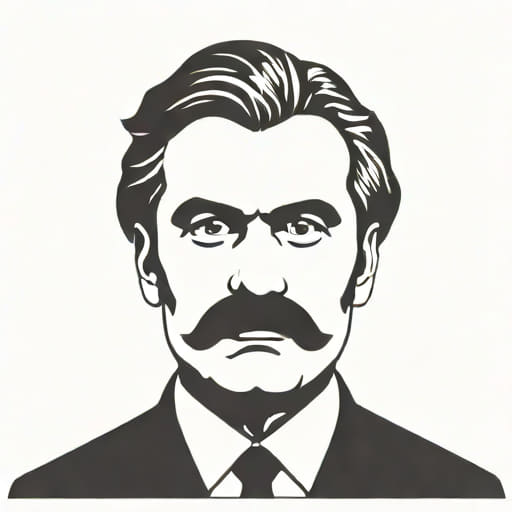
Friedrich Nietzsche, one of the most influential philosophers of the 19th century, left a lasting mark on modern thought with his writings on morality, culture, and human existence. While much attention has been paid to his ideas and philosophical contributions, the circumstances surrounding his death are also a subject of interest for scholars and readers. Understanding how Nietzsche died provides insight into the challenges he faced in his later years and the impact his declining health had on his life and work. His final years were marked by mental and physical struggles that ultimately led to his death, making the story of his passing an important part of understanding the man behind the philosophy.
Nietzsche’s Later Years
Friedrich Nietzsche’s later years were characterized by increasing isolation and deteriorating health. Born in 1844 in Röcken, Germany, Nietzsche was a brilliant scholar who began his academic career early, teaching classical philology at the University of Basel. However, his intense intellectual work, combined with a delicate constitution, led to frequent health problems. By his forties, Nietzsche was suffering from severe headaches, vision problems, and digestive issues, all of which forced him to retire from his academic position.
Health Struggles and Mental Decline
Nietzsche’s health problems extended beyond physical ailments. In January 1889, he experienced a complete mental collapse in Turin, Italy, famously known as the Turin incident, where he reportedly embraced a horse to prevent it from being whipped and subsequently lost his sanity. After this breakdown, Nietzsche never regained full mental clarity. He was taken to psychiatric care in Basel, and later lived under the care of his mother and sister. His condition during these years was marked by confusion, inability to write coherently, and a dependence on others for daily care.
The Final Years of Friedrich Nietzsche
From 1889 until his death in 1900, Nietzsche remained under the care of family members. During this period, he produced no new philosophical work, and his previous writings gained increasing recognition across Europe. Despite his fame, Nietzsche’s life became increasingly restricted by his mental and physical incapacitation. He spent much of his time in quiet surroundings, often in the company of his sister, who managed his household and affairs. This long period of decline set the stage for his eventual death, which was a culmination of multiple health issues rather than a sudden event.
Physical Health Issues Leading to Death
While Nietzsche’s mental collapse was widely documented, his physical health also played a significant role in his death. Historical records suggest that he suffered from complications related to a series of strokes in his final years. These strokes affected his mobility, speech, and overall physical functioning. Additionally, Nietzsche was reported to have other chronic conditions, such as gastrointestinal problems and potentially tertiary syphilis, which were common in the 19th century and could lead to severe neurological and physical decline.
- Multiple strokes impacting brain function and physical health.
- Chronic gastrointestinal and vascular problems.
- Possible syphilis-related neurological complications.
- Age-related decline exacerbated by earlier health issues.
The Death of Friedrich Nietzsche
Friedrich Nietzsche died on August 25, 1900, in Weimar, Germany, at the age of 55. Reports indicate that his death was caused by complications from a stroke and possibly other underlying health issues. By this time, Nietzsche had been bedridden and largely dependent on family care for more than a decade. His passing marked the end of a life that, while increasingly isolated and afflicted by illness in its later stages, had produced a remarkable body of work that would influence generations of thinkers.
Aftermath and Legacy
The death of Nietzsche did not end his influence. In fact, the posthumous publication of his unpublished writings, letters, and notes helped cement his reputation as one of the greatest philosophers of the modern era. His sister, Elisabeth Förster-Nietzsche, played a controversial role in editing and publishing his work, sometimes altering the presentation to fit her own ideological goals. Despite these complications, Nietzsche’s ideas on morality, the will to power, eternal recurrence, and the critique of traditional values continued to inspire philosophers, writers, and artists.
Public Perception and Philosophical Impact
Nietzsche’s death added to the mystique surrounding his life and work. The image of a brilliant thinker struck down by illness and mental collapse became a compelling narrative for biographers and scholars. Readers were drawn not only to his revolutionary ideas but also to the personal struggle behind them. His life story, including his final years and the circumstances of his death, often frames discussions of his philosophy, emphasizing the human dimension of his intellectual achievements.
Nietzsche’s Influence After Death
Following his death, Nietzsche’s influence continued to grow. Philosophers, writers, and artists across Europe studied his work, often interpreting his critiques of morality and culture in ways that resonated with their own times. His ideas contributed to existentialism, postmodernism, and psychoanalysis, making him a central figure in 20th-century intellectual history. Even as readers reflect on how Nietzsche died, they also engage deeply with the life and thought that preceded it.
The story of how Friedrich Nietzsche died reflects the complex interplay between health, intellectual intensity, and human vulnerability. His death on August 25, 1900, was the result of multiple physical and neurological complications, following years of mental decline. Understanding these circumstances provides insight into the challenges Nietzsche faced and the resilience he demonstrated through his work. Despite the difficulties in his final years, Nietzsche’s philosophy continues to inspire and provoke thought, ensuring that his legacy extends far beyond the circumstances of his death. Exploring how Nietzsche morreu is not only a study of the end of his life but also a reminder of the enduring power of his ideas.