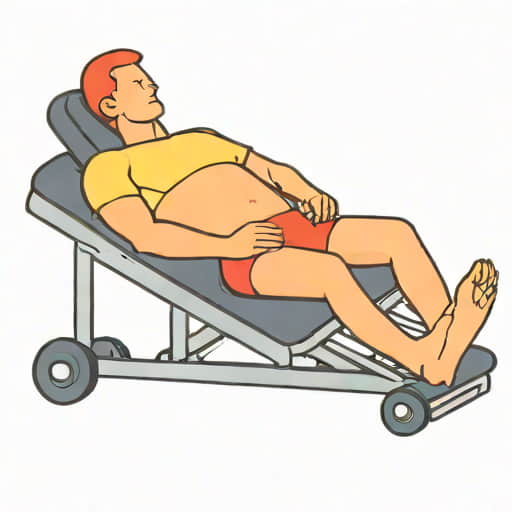
The lateral recumbent position with knees flexed is a body posture frequently used in healthcare, physical therapy, and recovery routines. It involves lying on one side while bending the knees slightly, creating a comfortable and stable position for the body. This position not only supports the spine and joints but also facilitates relaxation and proper breathing. Patients recovering from surgery, individuals with back pain, or those who need to rest for extended periods often benefit from this posture. Its simplicity makes it accessible to most people, yet it provides significant therapeutic advantages.
Understanding the Lateral Recumbent Position
The lateral recumbent position, sometimes referred to as the side-lying position, is one of the standard positions used in both medical and home care. When combined with flexed knees, this posture creates a natural curve in the spine, reduces pressure on the lower back, and improves overall comfort. The position involves lying on either the left or right side, with knees drawn slightly toward the chest, and arms placed comfortably in front of the body.
Benefits of Knees Flexed in Lateral Recumbent Position
- Spinal SupportFlexing the knees helps maintain the natural alignment of the spine, reducing strain on the back muscles and vertebrae.
- Pressure ReliefThis position minimizes pressure on bony prominences like the hips and shoulders, making it ideal for patients who must remain in bed for long periods.
- Improved CirculationSlightly bending the knees allows blood to circulate more effectively, especially in the lower extremities, reducing the risk of swelling or discomfort.
- Respiratory ComfortSide-lying with knees flexed opens the chest slightly, making breathing easier for individuals with respiratory conditions or after surgery.
- Enhanced RelaxationThis position promotes muscle relaxation and stress reduction, which is particularly helpful for people recovering from injury or surgery.
When to Use the Lateral Recumbent Position
This position is commonly recommended in various medical and therapeutic contexts. Patients recovering from abdominal surgery, those experiencing back pain, and individuals with respiratory difficulties can all benefit from this posture. Additionally, the lateral recumbent position with knees flexed is frequently used in prenatal care to relieve pressure on the back and improve circulation for pregnant women.
In Medical Procedures
Healthcare professionals often use the lateral recumbent position during examinations and minor medical procedures. It provides easy access to certain parts of the body while keeping the patient comfortable. For example, when checking for lung function, administering enemas, or performing neurological assessments, this side-lying position ensures safety and stability.
During Rest and Sleep
Many people naturally adopt a side-lying position with knees bent during sleep. It is considered one of the healthiest sleeping postures because it reduces stress on the spine and improves breathing. People with sleep apnea or snoring issues may find slight knee flexion combined with side-lying particularly beneficial.
How to Properly Position Yourself
Correctly adopting the lateral recumbent position with knees flexed is essential to maximize its benefits. Begin by lying on your chosen side. Ensure the head is supported by a pillow that keeps the neck aligned with the spine. Bend the knees slightly, bringing them toward your chest without forcing the movement. Place one arm in front of your body for support, and the other either under the pillow or resting along your side.
Tips for Comfort
- Use a small pillow between the knees to further reduce pressure on the hips and maintain spinal alignment.
- Adjust the height of the head pillow to avoid neck strain.
- Ensure that the shoulders are relaxed and not hunched forward.
- If lying for extended periods, change sides periodically to prevent stiffness and pressure sores.
Precautions and Considerations
While the lateral recumbent position with knees flexed is generally safe, there are a few precautions to consider. People with severe joint problems, recent fractures, or certain cardiovascular conditions should consult a healthcare provider before adopting this posture for long durations. Additionally, individuals with shoulder or hip discomfort may need extra padding or support to prevent pain.
Special Populations
For pregnant women, lying on the left side with knees slightly bent is often recommended to improve blood flow to the heart and uterus. Elderly individuals may require additional cushioning under the knees and torso to prevent pressure sores. Patients recovering from surgery should follow professional advice to avoid positions that could strain incisions or delay healing.
The lateral recumbent position with knees flexed is a versatile and therapeutic posture that supports spinal alignment, enhances circulation, and promotes relaxation. Its benefits extend across various contexts, from medical procedures and postoperative care to everyday rest and sleep. By understanding the proper way to adopt this position and applying simple adjustments for comfort, individuals can enjoy improved well-being and reduce the risk of discomfort or injury. Whether for short-term relaxation or long-term recovery, this position remains a practical and highly effective choice.