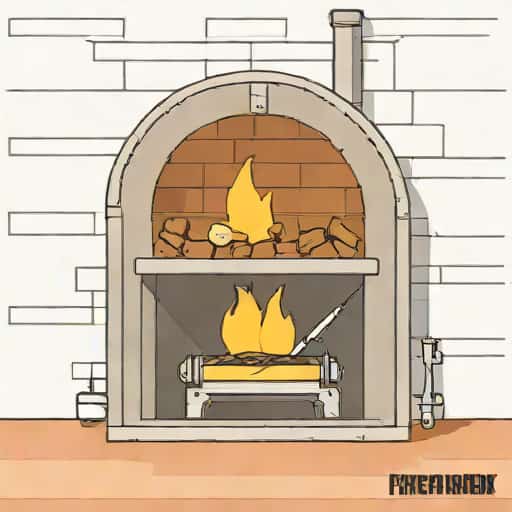
Building an insulated firebox for a smoker is an essential step for anyone looking to maintain consistent temperatures and achieve perfect smoking results. An insulated firebox helps trap heat, reduces fuel consumption, and ensures even cooking, which is especially important for low-and-slow smoking techniques. Whether you are constructing a custom smoker or upgrading an existing one, understanding the principles of insulation, heat retention, and safety is crucial. By following proper design steps and using appropriate materials, you can build a firebox that improves your smoker’s performance while providing durability and reliability for years of cooking.
Understanding the Purpose of an Insulated Firebox
Why Insulation Matters
The firebox is the chamber where fuel, such as wood or charcoal, is burned to generate heat and smoke. In a smoker, maintaining a steady temperature is key to cooking meat evenly and achieving the desired flavor. An insulated firebox prevents heat loss, reduces the amount of fuel needed, and allows you to control smoke output more precisely. Without proper insulation, temperature fluctuations can ruin slow-cooked meat, causing it to cook unevenly or dry out.
Key Benefits of an Insulated Firebox
- Improved heat retention for consistent cooking
- Reduced fuel consumption by maintaining efficient combustion
- Minimized temperature fluctuations that can affect flavor and texture
- Enhanced safety by preventing excessive heat from escaping to the surrounding structure
Materials Needed for Building an Insulated Firebox
Fire-Resistant Materials
Choosing the right materials is crucial for building a safe and effective insulated firebox. Fire-resistant materials help prevent heat damage and extend the lifespan of your smoker.
- FirebricksThese bricks withstand high temperatures and are commonly used to line the firebox.
- Insulation BoardCeramic fiber boards or mineral wool can provide high-temperature insulation between the inner and outer walls.
- Steel SheetA heavy-duty steel sheet forms the structural outer wall of the firebox, supporting the insulation and firebricks.
- High-Temperature MortarUsed to secure firebricks and seal gaps to prevent heat leakage.
- Refractory CoatingOptional coating that can enhance heat retention and protect metal surfaces from oxidation.
Step 1 Designing the Firebox
Size and Shape Considerations
The size and shape of your firebox will determine airflow, heat output, and smoke distribution. Key points to consider include
- The firebox should be proportional to the main cooking chamber for optimal heat transfer.
- Allow sufficient space for fuel to burn without crowding, which can produce uneven heat.
- Plan the door size for easy access to add fuel and manage the fire.
Airflow Planning
Proper airflow ensures efficient combustion and consistent temperatures. Design the firebox with intake vents for oxygen and exhaust pathways that direct smoke to the cooking chamber. Adjustable vents can provide greater control over airflow and heat output.
Step 2 Constructing the Outer Firebox
Assembling the Steel Frame
Begin by constructing the structural frame using steel sheets. The steel provides durability and supports insulation and firebricks. Ensure the corners are welded or bolted securely to prevent gaps that could cause heat loss.
Creating the Door and Vents
Install a door for fuel access, using hinges or sliding mechanisms. Include adjustable air vents on the door and sides to regulate airflow, allowing you to control the intensity of the fire. Ensure all openings can be sealed to maximize insulation efficiency.
Step 3 Installing Insulation
Lining the Firebox
Place insulation boards on all inner walls of the firebox, leaving space for the firebrick lining. Ceramic fiber boards are particularly effective due to their high heat resistance and low thermal conductivity. Secure the insulation using high-temperature adhesive or mechanical fasteners according to the manufacturer’s instructions.
Adding a Firebrick Layer
Lay firebricks over the insulation layer, using high-temperature mortar to seal gaps and ensure stability. Firebricks absorb and radiate heat evenly, creating a more consistent cooking temperature in the smoker. Make sure the bricks are level and tightly fitted to prevent shifting during use.
Step 4 Finishing Touches
Sealing and Protection
Seal any gaps between bricks and insulation with high-temperature mortar to prevent heat escape. Apply a refractory coating on steel surfaces if desired to enhance heat retention and protect against rust or oxidation. Check all vents and doors to ensure they open and close smoothly while maintaining a tight seal when shut.
Testing the Firebox
Before using the smoker for food, test the firebox by lighting a small fire and monitoring heat retention and airflow. Adjust vents and doors to achieve the desired temperature control. Ensure that the outer surface remains safe to touch and that there are no leaks that could compromise efficiency.
Maintenance and Safety Tips
Regular Cleaning
Remove ash and debris after each use to maintain proper airflow and prevent corrosion. Inspect firebricks and insulation regularly for cracks or damage and replace as needed.
Safe Operation
- Always operate the firebox on a stable, non-flammable surface
- Wear heat-resistant gloves when handling the firebox during operation
- Keep flammable materials away from the smoker
- Never leave the firebox unattended while a fire is burning
Advantages of a Well-Insulated Firebox
Building an insulated firebox improves the efficiency and performance of your smoker. Benefits include
- Consistent temperature control for low-and-slow cooking
- Reduced fuel consumption due to better heat retention
- Improved smoke flavor through steady combustion
- Extended lifespan of your smoker by protecting the outer steel from extreme heat
Constructing an insulated firebox for a smoker is a project that requires planning, proper materials, and attention to detail. By understanding the purpose of insulation, selecting fire-resistant materials, designing for airflow, and carefully installing insulation and firebricks, you can create a firebox that enhances your smoker’s performance and efficiency. Regular maintenance and safe operation practices will ensure that your firebox remains effective for years to come. With a well-built insulated firebox, you can achieve consistent cooking temperatures, save fuel, and enjoy perfectly smoked meats every time, turning your smoker into a professional-quality cooking tool.