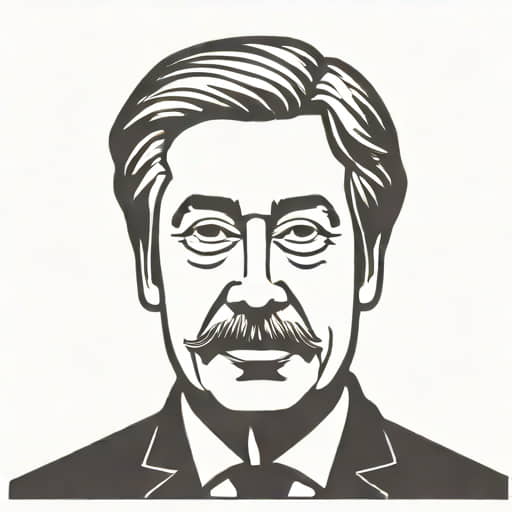
Konstantin Stanislavski is widely regarded as one of the most influential figures in modern theater, known for developing a system of acting that emphasizes emotional truth, realism, and the psychological depth of characters. Many aspiring actors and theater enthusiasts often wonder about his early life, particularly whether Stanislavski was born into a poor family, as understanding his upbringing can provide insight into the experiences that shaped his revolutionary approach to acting. His childhood, family background, and early exposure to theater played a crucial role in his later achievements and the creation of the Stanislavski system, which continues to influence actors and directors around the world.
Early Life of Konstantin Stanislavski
Konstantin Sergeyevich Stanislavski was born on January 17, 1863, in Moscow, Russia. His birth name was Konstantin Sergeyevich Alekseyev, and he later adopted the stage name Stanislavski. He grew up in a family that was wealthy and influential, not poor as some myths suggest. His family owned several businesses, including a large commercial enterprise, which allowed them to enjoy a comfortable lifestyle. This financial stability provided young Stanislavski with access to cultural events, education, and exposure to the arts, which were essential in nurturing his early interest in theater and performance.
Family Background
Stanislavski’s family was part of the Russian bourgeoisie, meaning they were middle to upper class in terms of wealth and social status. His father, Sergei Alexeyev, was a successful businessman and played a significant role in managing the family’s enterprises. The family’s resources enabled Stanislavski to attend prestigious schools and participate in artistic activities that were often inaccessible to children from poorer backgrounds. Contrary to the belief that he had to struggle financially in his youth, Stanislavski’s upbringing was marked by privilege, which gave him opportunities to explore theater and cultivate his talents from an early age.
Early Exposure to Theater
Although Stanislavski was not born into poverty, his passion for theater was evident from childhood. The financial security of his family allowed him to attend performances at the Bolshoi and Maly Theaters in Moscow, where he observed professional actors and developed an appreciation for stagecraft. He was also encouraged by his family to pursue his interests, attending drama clubs and participating in amateur theatrical productions. This early exposure laid the foundation for his future career and influenced his understanding of acting, directing, and theater management.
Influence of Privilege on His Career
Being born into a wealthy family gave Stanislavski certain advantages that were instrumental in his development as an artist
- Access to EducationHe received a quality education, which included literature, history, and the arts, providing him with the intellectual foundation necessary for analyzing scripts and characters.
- Opportunities to TravelTravel allowed him to observe different theatrical traditions in Russia and Europe, broadening his understanding of performance styles.
- Financial SecurityThe family’s wealth meant that he could pursue theater as a passion rather than being forced into a traditional career solely for income.
- ConnectionsHis social standing provided him access to prominent figures in Moscow’s cultural scene, enabling collaborations that would be vital to his theatrical experiments.
The Myth of Poverty
Despite his privileged upbringing, some sources incorrectly describe Stanislavski as coming from a poor family. This myth may have arisen because his work often emphasized struggles and emotional realism, which led people to assume he had personally experienced hardship. However, historical evidence shows that his family’s wealth and social position provided a supportive environment that nurtured his artistic ambitions. Understanding the truth about his background is important because it highlights how privilege, when combined with talent and dedication, can lead to remarkable contributions in the arts.
Why the Myth Persists
The misconception about Stanislavski’s poverty may persist due to the themes he explored in his acting system. He focused on portraying authentic human experiences, including suffering and struggle, which resonated with audiences and perhaps led some to assume he had personally lived through similar hardships. Additionally, stories about artists overcoming adversity are often compelling and memorable, which may contribute to the continued circulation of this inaccurate narrative.
Stanislavski’s Early Career
Stanislavski’s early career was shaped by both his talent and his access to resources. In 1884, he joined the Moscow Art Theatre (MAT), which he co-founded with Vladimir Nemirovich-Danchenko in 1898. The theater became famous for its innovative productions and commitment to realism. The success of the MAT and Stanislavski’s influence on acting can be partially attributed to his ability to focus on artistic experimentation without being burdened by financial necessity. He could dedicate his time to studying human behavior, developing rehearsal techniques, and refining his theories of acting.
Developing the Stanislavski System
The Stanislavski system, which emphasizes emotional truth, methodical rehearsal, and the psychological development of characters, was the result of years of careful observation, experimentation, and practice. His upbringing allowed him the freedom to focus on these artistic goals. Unlike actors who might have had to struggle for basic survival, Stanislavski could devote himself entirely to understanding the nuances of human behavior and translating them into effective stage performance. This level of dedication contributed significantly to his lasting legacy in theater.
Legacy of Stanislavski
Konstantin Stanislavski’s influence on modern theater and acting techniques is unparalleled. His system has become the foundation for many acting methods around the world, including the Method Acting techniques popularized in the United States by actors such as Marlon Brando and Al Pacino. Understanding that Stanislavski was born into a well-off family helps contextualize his ability to innovate and experiment in theater without the immediate pressures of financial survival. It also emphasizes that privilege can play a role in providing opportunities for artistic development, even when personal talent and effort are crucial.
Lessons from His Upbringing
- Access to education and cultural exposure can significantly influence artistic development.
- Financial security can provide the freedom to pursue passion projects and long-term experimentation.
- Family support, whether emotional or financial, is often a key factor in the early success of talented individuals.
- Understanding the true background of influential figures helps clarify how opportunity, environment, and personal effort contribute to success.
Konstantin Stanislavski was not born into a poor family. He grew up in a wealthy and culturally rich environment that allowed him access to education, theater, and social connections, which were essential to his development as one of the most influential figures in modern acting. While his work often explored themes of struggle and human emotion, it is important to recognize that his personal financial security gave him the freedom to develop his revolutionary acting system. By understanding his true upbringing, we gain a deeper appreciation for the combination of talent, opportunity, and dedication that shaped Stanislavski’s lasting impact on the world of theater.