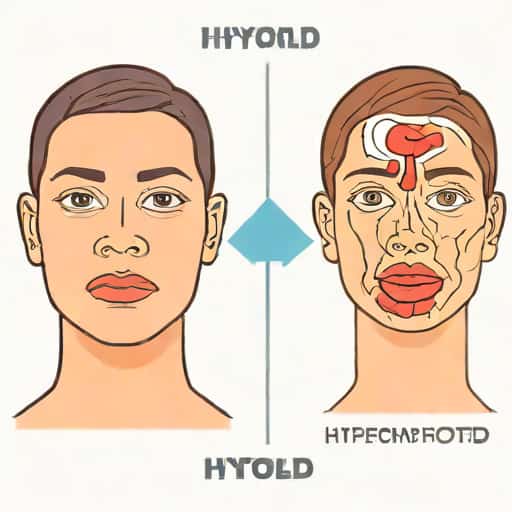
The thyroid gland plays a crucial role in regulating metabolism, energy levels, and overall bodily functions. When it malfunctions, it can lead to a range of health issues, often involving fatigue, weight changes, and mood disturbances. Among the most common thyroid-related conditions are hypothyroidism and Hashimoto’s disease. While they are related, understanding the difference between hypothyroid and Hashimoto is essential for proper diagnosis, treatment, and long-term management. This topic will explore their definitions, causes, symptoms, diagnosis, and treatment options, providing a comprehensive overview for anyone seeking clarity on these medical conditions.
Understanding Hypothyroidism
Hypothyroidism, often referred to as an underactive thyroid, is a condition in which the thyroid gland does not produce enough thyroid hormones to meet the body’s needs. Thyroid hormones, primarily thyroxine (T4) and triiodothyronine (T3), regulate metabolism, growth, and energy production. When hormone levels are low, various bodily functions slow down, leading to symptoms such as fatigue, weight gain, cold intolerance, dry skin, hair thinning, and slowed heart rate. Hypothyroidism can affect anyone, but it is more prevalent in women, particularly those over the age of 60.
Causes of Hypothyroidism
Hypothyroidism can result from multiple factors, including
- Autoimmune diseasesThe immune system attacks the thyroid, reducing hormone production.
- Iodine deficiencyIodine is essential for thyroid hormone synthesis, and its lack can impair function.
- MedicationsCertain drugs, such as lithium and amiodarone, can interfere with thyroid function.
- Thyroid surgeryPartial or total removal of the thyroid can lead to hypothyroidism.
- Radiation therapyRadiation to the neck or chest can damage the thyroid gland.
Understanding Hashimoto’s Disease
Hashimoto’s disease, also known as Hashimoto’s thyroiditis, is a specific autoimmune disorder that is the most common cause of hypothyroidism in developed countries. In Hashimoto’s, the immune system mistakenly attacks the thyroid gland, causing inflammation and gradual destruction of thyroid tissue. This damage leads to decreased hormone production, eventually resulting in hypothyroidism if left untreated. Hashimoto’s is more common in women than men and often develops in middle age, although it can occur at any age.
Causes of Hashimoto’s Disease
The exact cause of Hashimoto’s disease is not fully understood, but several factors contribute to its development
- Genetic predispositionFamily history of thyroid or autoimmune disorders increases risk.
- Immune system dysfunctionThe body produces antibodies that attack thyroid cells.
- Environmental triggersFactors like infections, stress, or high iodine intake may trigger the disease in susceptible individuals.
- Hormonal changesPregnancy or menopause can increase susceptibility to Hashimoto’s.
Key Differences Between Hypothyroid and Hashimoto
While hypothyroidism and Hashimoto’s are closely related, they are not identical. Understanding the distinction is important for proper diagnosis and treatment
Nature of the Condition
- HypothyroidRefers to the functional state of having low thyroid hormone levels, regardless of the underlying cause.
- HashimotoRefers to an autoimmune disease that often causes hypothyroidism. It specifically involves the immune system attacking the thyroid.
Onset and Progression
- HypothyroidCan develop gradually due to multiple factors, including iodine deficiency, medications, or thyroid surgery.
- HashimotoTypically progresses slowly, with the immune system progressively damaging thyroid tissue over years.
Diagnosis
- HypothyroidDiagnosed based on blood tests showing low levels of T4 and elevated thyroid-stimulating hormone (TSH).
- HashimotoDiagnosed through blood tests for thyroid antibodies, including anti-thyroid peroxidase (anti-TPO) and anti-thyroglobulin antibodies, in addition to hormone level assessments.
Symptoms Comparison
Both hypothyroidism and Hashimoto can produce similar symptoms due to low thyroid hormone levels, but Hashimoto may also present with specific signs related to autoimmune activity
- Fatigue and lethargy
- Weight gain despite normal diet
- Cold intolerance and feeling unusually chilly
- Dry skin and brittle hair
- Swelling in the neck (goiter) more common in Hashimoto
- Joint pain or stiffness in autoimmune cases
- Mood changes, including depression or irritability
Treatment Options
Treatment strategies focus on addressing hormone deficiencies and managing symptoms. The approaches for hypothyroidism and Hashimoto may overlap
Hypothyroidism Treatment
- Hormone replacement therapy with synthetic thyroxine (levothyroxine) to normalize T4 and TSH levels.
- Regular monitoring of thyroid function to adjust dosage as needed.
- Lifestyle adjustments including balanced diet, adequate exercise, and stress management.
Hashimoto Treatment
- Management of hypothyroidism with levothyroxine once hormone levels are low.
- Regular monitoring of thyroid antibodies and gland size to track disease progression.
- Addressing autoimmune activity through lifestyle interventions, such as anti-inflammatory diets, stress reduction, and avoiding potential triggers.
Importance of Early Detection
Early diagnosis of both hypothyroidism and Hashimoto is crucial for preventing long-term complications. Untreated hypothyroidism can lead to heart disease, infertility, and myxedema, a severe and potentially life-threatening condition. Similarly, Hashimoto’s disease, if left unmonitored, can result in progressive thyroid destruction, making hormone replacement therapy essential for maintaining quality of life. Regular blood tests, awareness of symptoms, and consultation with an endocrinologist are key steps in effective management.
Living with Hypothyroid or Hashimoto
Patients with hypothyroidism or Hashimoto’s can lead full and active lives with proper management. Key strategies include
- Adhering strictly to prescribed medication schedules.
- Monitoring thyroid levels regularly to ensure optimal hormone balance.
- Maintaining a healthy lifestyle with a nutrient-rich diet, particularly iodine and selenium for thyroid health.
- Being mindful of stress levels, as stress can exacerbate autoimmune activity.
- Communicating openly with healthcare providers about symptoms or side effects.
While hypothyroidism and Hashimoto’s disease are closely linked, understanding the difference between hypothyroid and Hashimoto is critical for proper diagnosis and treatment. Hypothyroidism refers to a state of underactive thyroid function, which can result from a variety of causes. Hashimoto’s disease, on the other hand, is an autoimmune disorder that specifically targets the thyroid and is a common cause of hypothyroidism. Early detection, accurate diagnosis, and consistent management are essential to prevent complications and maintain overall well-being. By recognizing the distinctions, patients can work with healthcare providers to develop effective treatment plans and lead healthy, balanced lives despite thyroid challenges.