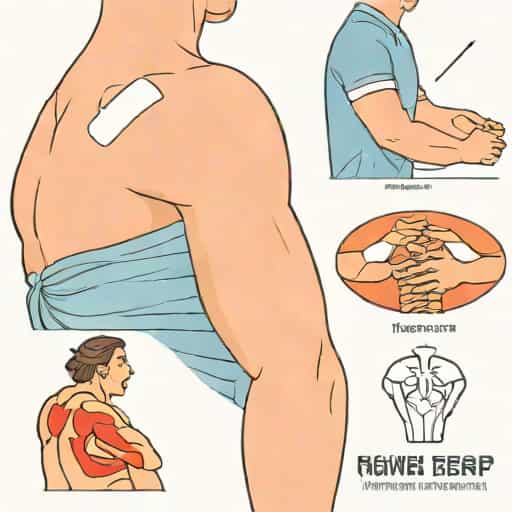
Rotator cuff tears are a common shoulder injury that can cause significant pain, weakness, and limited range of motion. While surgery is often considered for severe cases, many people benefit from nonoperative treatment of rotator cuff tears. This approach focuses on reducing pain, improving shoulder strength, and restoring mobility without the need for surgery. Nonoperative management is especially effective for partial tears, older adults, or patients with low physical demands. Understanding how conservative treatments work can help individuals make informed choices about their shoulder health and recovery process.
Understanding Rotator Cuff Tears
The rotator cuff is a group of four muscles and tendons that stabilize the shoulder joint and allow smooth arm movement. Tears can occur due to overuse, aging, trauma, or repetitive motion such as in sports or physical labor. A tear may be partial, where the tendon is damaged but not completely detached, or full-thickness, where the tendon separates entirely from the bone.
Symptoms of a rotator cuff tear often include shoulder pain, especially when lifting the arm, weakness, and difficulty sleeping on the affected side. Some people experience a gradual onset of symptoms, while others feel a sudden sharp pain after an injury. Fortunately, many mild to moderate tears can be successfully managed with nonoperative treatments.
Who Can Benefit from Nonoperative Treatment
Not all rotator cuff tears require surgery. Nonoperative treatment is generally recommended for
- Individuals with small or partial tears
- Older patients who are less physically active
- People with minimal loss of shoulder strength
- Patients with chronic degenerative tears rather than acute injuries
- Those who wish to avoid surgery or are medically unfit for it
The decision depends on factors such as the size and location of the tear, age, activity level, and overall health. Even in some full-thickness tears, nonoperative management can lead to functional improvement and pain relief.
Goals of Nonoperative Treatment
The main objectives of nonoperative treatment of rotator cuff tears are
- Reducing shoulder pain and inflammation
- Restoring range of motion
- Improving muscle strength and joint stability
- Preventing further injury or tear progression
- Enhancing overall shoulder function for daily activities
By focusing on these goals, patients can achieve significant improvement in shoulder mobility and quality of life without surgery.
Common Nonoperative Treatment Options
There are several conservative treatment methods available to manage rotator cuff tears effectively. The combination of rest, physical therapy, medications, and lifestyle modifications can often provide long-term relief.
1. Activity Modification and Rest
The first step in treating a rotator cuff tear without surgery is to rest the shoulder and avoid movements that worsen pain. Activities like lifting heavy objects or overhead reaching should be minimized. However, complete immobilization is not recommended for long periods, as it can lead to stiffness and muscle weakness. Controlled movement under guidance helps maintain flexibility and prevent joint freezing.
2. Physical Therapy
Physical therapy is the cornerstone of nonoperative treatment. A customized exercise program helps strengthen surrounding muscles, improve shoulder stability, and restore range of motion. Therapists typically begin with gentle stretching and gradually introduce strengthening exercises as pain decreases.
Physical therapy may include
- Stretching exercisesTo improve flexibility and relieve stiffness.
- Strengthening exercisesFocused on the deltoid, scapular stabilizers, and remaining rotator cuff muscles.
- Postural trainingTo correct shoulder alignment and reduce strain.
- Manual therapyHands-on techniques to relieve tightness and enhance mobility.
With consistent therapy, many patients regain near-normal function in as little as 6 12 weeks, depending on the severity of the tear.
3. Nonsteroidal Anti-Inflammatory Drugs (NSAIDs)
Pain relief and inflammation control are key parts of conservative management. Over-the-counter medications like ibuprofen or naproxen can help reduce swelling and make movement more comfortable. These should be used under medical supervision to avoid side effects, especially in older adults or those with gastrointestinal conditions.
4. Corticosteroid Injections
For persistent pain that doesn’t improve with rest and medication, doctors may recommend corticosteroid injections. These injections are administered directly into the shoulder joint to reduce inflammation and pain. While they provide temporary relief, repeated use is generally avoided because it can weaken the tendons over time.
5. Heat and Cold Therapy
Alternating between ice packs and warm compresses can help manage pain and stiffness. Ice reduces inflammation during acute flare-ups, while heat promotes blood flow and muscle relaxation. Patients often find relief by applying ice for 15 20 minutes several times a day, followed by heat before performing stretching exercises.
6. Platelet-Rich Plasma (PRP) Therapy
PRP therapy is a newer nonoperative treatment option gaining attention for tendon injuries. It involves injecting concentrated platelets from the patient’s own blood into the injured area to promote healing. Some studies suggest PRP can improve tendon repair and reduce pain in partial rotator cuff tears, though results vary.
7. Lifestyle Adjustments
Lifestyle changes play a big role in long-term management. Maintaining good posture, using proper lifting techniques, and avoiding repetitive overhead movements can prevent further injury. For athletes, modifying training routines to reduce shoulder stress can help maintain performance without aggravating the tear.
Home Exercises for Rotator Cuff Recovery
In addition to supervised physical therapy, performing home exercises can speed up recovery and maintain progress. Examples include
- Pendulum swingsLetting the arm hang down and moving it gently in circular motions to loosen the joint.
- Wall walksSlowly walking the fingers up a wall to improve flexibility.
- External rotation with a resistance bandStrengthening the shoulder’s outer muscles to enhance stability.
- Scapular squeezesDrawing shoulder blades together to improve posture and shoulder mechanics.
Consistency is key with these exercises. Performing them daily under proper guidance helps prevent stiffness and restore shoulder function.
Expected Outcomes of Nonoperative Treatment
Many patients experience excellent results with nonoperative treatment, especially when the tear is small or partial. Studies show that over 70% of individuals with rotator cuff tears report significant improvement in pain and shoulder mobility without surgery. However, recovery depends on adherence to therapy, the size of the tear, and overall health.
In some cases, tears may not heal completely but can still become asymptomatic, meaning pain and dysfunction improve enough for normal activity. Surgery may only be necessary if symptoms persist despite consistent conservative management for several months.
Advantages of Nonoperative Treatment
Choosing nonoperative management of rotator cuff tears has several benefits, including
- No surgical risks or anesthesia complications
- Shorter recovery time compared to surgery
- Lower cost and less downtime from work or activities
- Ability to maintain flexibility and shoulder function during treatment
- Suitable for elderly patients or those with health limitations
These advantages make nonoperative management an attractive first-line option before considering surgical repair.
When Surgery May Be Needed
While nonoperative treatment is effective for many, surgery might still be required in some cases. Indications for surgical intervention include
- Persistent pain after 3 6 months of conservative care
- Severe loss of strength or motion affecting daily activities
- Acute traumatic tears in younger or active individuals
- Progressive tear enlargement or tendon degeneration
If surgery becomes necessary, patients who have undergone preoperative physical therapy often experience better postoperative outcomes due to stronger muscles and improved flexibility.
Long-Term Management and Prevention
After symptoms improve, ongoing maintenance is crucial to prevent re-injury. Regular stretching and strengthening exercises help maintain shoulder health. It’s also important to warm up before physical activity and use ergonomic techniques during work or sports. Avoiding repetitive strain and maintaining a balanced exercise routine can protect the shoulder from future tears.
Nonoperative treatment of rotator cuff tears offers a safe and effective path to recovery for many patients. Through physical therapy, medication, lifestyle changes, and careful activity modification, it is possible to reduce pain, improve strength, and restore shoulder function without surgery. While every case is unique, conservative management often provides excellent outcomes for those willing to commit to consistent care. Understanding the options and working closely with healthcare professionals can help individuals regain comfort, mobility, and confidence in their shoulder once again.