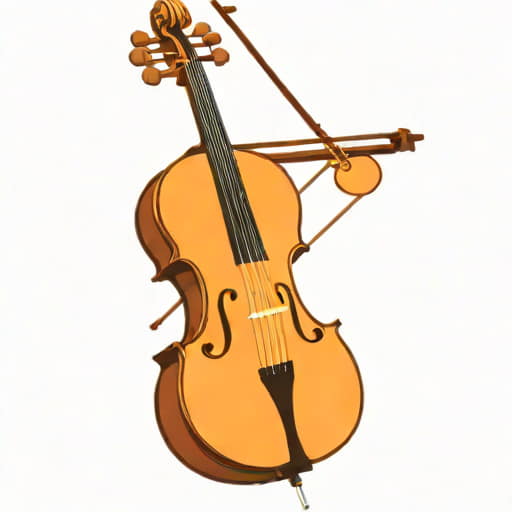
Spain has a rich musical history that spans centuries, producing remarkable composers and performers who have influenced both classical and contemporary music. Among these talented figures, Gaspar stands out as an accomplished violoncellist and composer whose contributions to Spanish music deserve attention. Known for his mastery of the cello and his ability to compose evocative works, Gaspar represents a unique fusion of technical skill and artistic expression. Exploring his life, musical career, and compositions provides insight into the evolution of Spanish classical music and the enduring legacy of cello performance in Spain.
Early Life and Musical Education
Gaspar, born in Spain, showed an early interest in music that would shape the rest of his life. From a young age, he was drawn to string instruments, eventually gravitating towards the cello due to its rich, expressive tones. His initial training often included both private lessons and study at local conservatories, where he honed his technical skills and developed an understanding of musical theory. This rigorous education allowed Gaspar to build a strong foundation, preparing him for a professional career as both a performer and composer.
Influences and Inspirations
Throughout his early years, Gaspar was influenced by prominent Spanish composers and European classical traditions. The works of Spanish guitarists, violinists, and cellists provided a cultural backdrop that shaped his musical sensibilities. Additionally, exposure to Baroque and Romantic compositions broadened his understanding of harmony, counterpoint, and musical phrasing. These influences can be seen in his compositions, where traditional Spanish melodies often intertwine with classical forms, creating music that is both technically sophisticated and emotionally resonant.
Career as a Violoncellist
Gaspar’s career as a violoncellist is marked by both solo performances and collaborations with orchestras and chamber ensembles. His technical proficiency on the cello is complemented by a deep emotional expressiveness, allowing him to interpret complex compositions with nuance and sensitivity. He performed in various concert halls across Spain and occasionally in international venues, earning recognition for his virtuosity and artistry. Gaspar’s performances often included both classical repertoire and his own compositions, showcasing his dual talents as a performer and composer.
Repertoire and Style
As a performer, Gaspar is known for his ability to convey emotion through technical precision. His repertoire spans classical, Romantic, and contemporary works, often featuring intricate passages that demonstrate his command of the cello. In addition to performing established compositions, Gaspar frequently includes his original pieces, which are characterized by melodic richness and rhythmic complexity. His style reflects a deep understanding of the cello’s capabilities, using both traditional techniques and innovative approaches to express a wide range of musical emotions.
Compositional Work
Beyond performance, Gaspar has made significant contributions as a composer. His compositions often draw inspiration from Spanish folk music, incorporating elements such as flamenco rhythms, traditional harmonies, and regional melodic patterns. This blending of classical forms with Spanish musical traditions creates works that are both unique and culturally rooted. His pieces are known for their expressive depth, intricate structures, and attention to detail, appealing to both performers and audiences alike.
Notable Compositions
Some of Gaspar’s most notable compositions include solo cello pieces, chamber music, and orchestral works. His solo cello compositions explore the full range of the instrument, highlighting its rich tonal qualities and technical possibilities. Chamber works often feature collaborations with piano, violin, or other instruments, creating intricate dialogues and harmonic textures. Orchestral compositions demonstrate his ability to handle larger ensembles, balancing complex orchestration with melodic clarity. Each work reflects Gaspar’s deep understanding of musical form and expressive potential.
Contributions to Spanish Music
Gaspar’s impact on Spanish music extends beyond his performances and compositions. He has played a role in promoting the cello as a solo instrument in Spain, inspiring younger musicians to explore its expressive capabilities. His works also contribute to the preservation and evolution of Spanish musical traditions, blending historical influences with contemporary sensibilities. By integrating traditional Spanish elements into classical forms, Gaspar helps maintain a living connection to the country’s rich musical heritage.
Educational and Mentorship Roles
In addition to performing and composing, Gaspar has been involved in music education, teaching at conservatories and giving masterclasses. His mentorship has guided aspiring cellists and composers, helping them develop technical skills and artistic vision. By sharing his knowledge and experience, Gaspar ensures that future generations of musicians continue to explore and expand the possibilities of the cello and Spanish music.
Recognition and Legacy
Gaspar has received recognition for his contributions to music both in Spain and internationally. Critics and audiences alike have praised his technical mastery, expressive performances, and innovative compositions. His legacy is not only found in his recorded performances and published works but also in the musicians he has inspired through teaching and collaboration. Gaspar represents a bridge between tradition and innovation, demonstrating how Spanish music can evolve while remaining rooted in its cultural origins.
Impact on Modern Cello Performance
Gaspar’s approach to the cello has influenced modern performers, encouraging exploration of new techniques and expressive possibilities. His compositions challenge cellists to expand their technical and musical range, while his performances demonstrate the emotional depth achievable through the instrument. By combining virtuosity with musical sensitivity, Gaspar sets a standard for excellence that continues to resonate in the world of classical music.
Gaspar, as a violoncellist and composer, represents a vital part of Spain’s musical landscape. His mastery of the cello, innovative compositions, and dedication to teaching have contributed significantly to the development and appreciation of Spanish classical music. By blending traditional Spanish elements with classical forms, he has created a unique and lasting legacy that inspires both performers and audiences. Exploring the life and work of Gaspar allows us to appreciate not only his technical and artistic achievements but also the rich cultural heritage of Spain that continues to influence music today. His enduring impact as a performer, composer, and mentor ensures that the traditions of Spanish music and the expressive potential of the cello will be celebrated for generations to come.