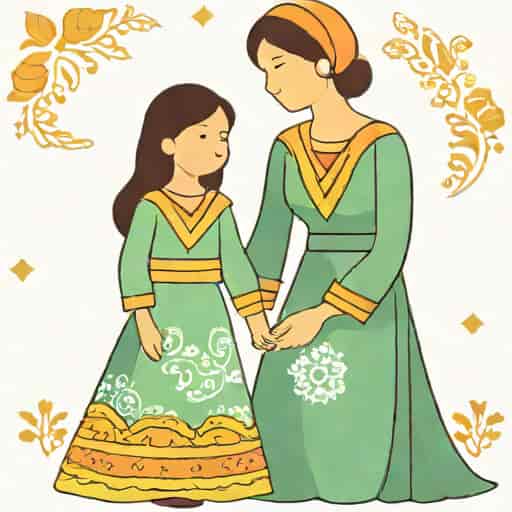
Mother-daughter twinning in traditional dresses has become a popular trend that celebrates cultural heritage, family bonds, and style. This practice involves mothers and daughters wearing matching or coordinated outfits that reflect traditional clothing from their culture or region. Whether for festivals, weddings, or casual family gatherings, twinning in traditional dresses allows families to express their identity, strengthen emotional connections, and create memorable moments. The concept combines fashion, tradition, and family values, making it both visually appealing and emotionally significant. Many parents find joy in seeing their daughters wearing the same attire, which often sparks conversations about cultural pride and intergenerational connections.
What is Mother-Daughter Twinning?
Mother-daughter twinning refers to the act of dressing mothers and daughters in similar or identical outfits. While it can be done with modern clothing, traditional dresses add a unique cultural and aesthetic dimension. Twinning emphasizes unity, harmony, and shared identity within a family, making it more than just a fashion choice. It has become popular on social media, in family photoshoots, and at cultural events where showcasing traditional attire is a way of honoring one’s roots.
The Appeal of Traditional Dresses
Traditional dresses carry rich cultural symbolism and history. For example, in India, mothers and daughters might wear matching sarees or lehengas during Diwali or weddings. In Japan, twinning with kimonos during festivals emphasizes heritage and tradition. These outfits are often made from vibrant fabrics, adorned with embroidery, and tailored to fit both mother and daughter. The appeal lies not only in aesthetics but also in the ability to pass down cultural knowledge and pride through clothing.
Popular Types of Traditional Mother-Daughter Outfits
There are numerous traditional dresses around the world that are commonly chosen for mother-daughter twinning. The choice depends on cultural background, personal style, and occasion.
Indian Traditional Dresses
- Sarees Mothers and daughters can wear matching sarees with similar patterns, colors, and embroidery.
- Lehengas Coordinated lehenga-choli sets are popular for weddings and festivals.
- Salwar Kameez Comfortable yet stylish, these can be tailored in matching prints or complementary colors.
East Asian Traditional Dresses
- Kimonos In Japan, matching kimonos are worn during cultural events and festivals.
- Hanbok In Korea, mothers and daughters may wear twinned hanboks for special occasions like Chuseok or weddings.
Western and Other Cultures
- Dirndls In Germany and Austria, matching dirndls are popular during Oktoberfest and traditional celebrations.
- Scottish Tartans Coordinated tartan skirts or dresses reflect heritage and family pride.
Benefits of Mother-Daughter Twinning
Mother-daughter twinning in traditional dresses offers more than just visual appeal. It strengthens the emotional connection between mother and child, fosters cultural awareness, and creates lasting memories.
Emotional and Social Benefits
- Enhances bonding by sharing a unique experience of dressing alike.
- Boosts confidence for both mother and daughter as they receive positive attention in social settings.
- Encourages teamwork in choosing, coordinating, and styling outfits.
Cultural and Educational Benefits
- Introduces children to cultural traditions and the significance of traditional attire.
- Helps preserve heritage by passing down traditional clothing and styles.
- Teaches children about the symbolism, patterns, and techniques used in traditional dresses.
Tips for Successful Mother-Daughter Twinning
Twinning with traditional dresses requires thoughtful planning to achieve harmony in style, comfort, and occasion-appropriateness.
Choosing the Right Fabric and Style
Select fabrics that are comfortable for both mother and daughter. Light and breathable fabrics work well for children, while mothers may opt for slightly heavier fabrics for elegance. Matching prints, colors, and embroidery patterns create a cohesive look, while slight variations in style can add uniqueness without losing the twinning effect.
Accessorizing
Coordinating accessories such as jewelry, scarves, and shoes can enhance the overall look. For example, matching bangles or hair accessories in Indian traditional outfits or similar obi belts in Japanese kimonos create a polished appearance. Accessories should complement the outfits without being overpowering.
Considering Comfort and Practicality
While aesthetics are important, comfort should not be overlooked. Children may require outfits that allow movement, especially for events involving games or dancing. Mothers should also consider comfort for longer durations, particularly during weddings or cultural ceremonies. Adjustable fittings and soft linings can make traditional dresses easier to wear.
Occasions for Mother-Daughter Twinning
Mother-daughter twinning in traditional dresses is suitable for a variety of occasions, ranging from cultural festivals to personal celebrations.
Festivals and Cultural Celebrations
- Diwali, Holi, or Eid in India
- Chuseok and Seollal in Korea
- Japanese festivals such as Hanami or Shichi-Go-San
Family Events and Special Occasions
- Weddings, anniversaries, and family gatherings
- Photo shoots and social media events showcasing family bonding
- Religious ceremonies and traditional rituals
Mother-Daughter Twinning in Modern Fashion
While rooted in tradition, mother-daughter twinning has also influenced modern fashion. Designers now create matching collections that blend traditional motifs with contemporary styles. This fusion allows families to maintain cultural authenticity while embracing modern trends. Many brands offer ready-made matching sets, making twinning accessible to busy mothers who want stylish and culturally significant options for their daughters.
Social Media Influence
Social media platforms have popularized mother-daughter twinning by showcasing creative and visually appealing outfits. Influencers and fashion bloggers often highlight matching traditional dresses for festivals, weddings, and daily wear. These posts inspire families around the world to experiment with twinning and explore new ways to celebrate cultural heritage.
Mother-daughter twinning in traditional dresses is more than a fashion trend; it is a meaningful practice that celebrates family bonds, cultural heritage, and personal style. From Indian sarees and lehengas to Japanese kimonos and Korean hanboks, twinning allows mothers and daughters to express unity, pride, and elegance. Thoughtful planning, attention to comfort, and creative coordination enhance the experience, making these outfits suitable for festivals, weddings, and family celebrations. By embracing mother-daughter twinning, families not only preserve cultural traditions but also create cherished memories that can be remembered for generations. This timeless trend continues to grow, blending tradition and modernity while highlighting the special bond between mothers and daughters.