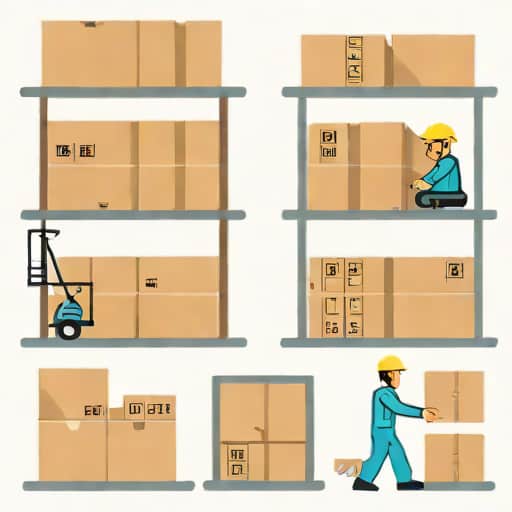
In the world of logistics and inventory management, understanding the difference between a storekeeper and a warehouse is crucial for efficient operations. Both play essential roles in the supply chain, yet they serve distinct functions, responsibilities, and purposes within an organization. While a storekeeper is primarily responsible for managing inventory and maintaining records, a warehouse is a physical space designed to store goods safely and systematically. Clarifying these differences helps businesses streamline processes, reduce errors, and ensure that products move efficiently from suppliers to consumers. Exploring the roles, responsibilities, and characteristics of both storekeepers and warehouses provides a comprehensive understanding of their importance in modern commerce.
What is a Storekeeper?
A storekeeper, sometimes referred to as a store officer or inventory clerk, is an individual responsible for overseeing the storage, handling, and movement of goods within a facility. The storekeeper ensures that items are properly received, stored, and issued as needed while maintaining accurate records of inventory levels. This role requires attention to detail, organizational skills, and knowledge of inventory management systems. Storekeepers play a vital part in preventing stockouts, reducing wastage, and ensuring that goods are available when required for production or sale.
Key Responsibilities of a Storekeeper
- Receiving and inspecting incoming goods for quality and quantity
- Organizing items systematically for easy retrieval
- Maintaining accurate inventory records and updating stock ledgers
- Issuing materials or products based on requisitions
- Monitoring stock levels and reporting discrepancies or shortages
- Ensuring compliance with safety and storage standards
What is a Warehouse?
A warehouse is a physical facility or building designed to store goods in an organized manner before they are distributed to retailers, customers, or production units. Warehouses provide protection against damage, theft, and environmental factors while facilitating efficient inventory management. Modern warehouses often include advanced storage systems, temperature control, and automated handling equipment to optimize space utilization and streamline operations. The primary purpose of a warehouse is to act as a centralized storage point that supports the supply chain by ensuring that products are available when and where they are needed.
Key Features of a Warehouse
- Large physical space for storing goods
- Organization through shelving, racks, and designated storage areas
- Security measures to prevent theft or damage
- Environmental controls for temperature-sensitive products
- Integration with logistics and inventory management systems
- Facilities for loading, unloading, and handling goods efficiently
Main Differences Between Storekeeper and Warehouse
Although storekeepers and warehouses are interrelated, they serve different roles within an inventory management system. The primary distinction lies in the fact that one is a human resource while the other is a physical space. Understanding these differences is essential for effective supply chain operations and for ensuring that inventory is managed efficiently.
Role and Function
A storekeeper manages and controls the movement of inventory within a warehouse or storage area. They are responsible for record-keeping, issuing, and monitoring stock levels. A warehouse, on the other hand, is a facility designed to house goods securely. Its function is to provide space for storage, protect goods, and facilitate organized handling and distribution. In essence, a warehouse is the environment, and the storekeeper is the professional who manages it effectively.
Human vs Physical Aspect
The storekeeper represents the human element in inventory management, making decisions, maintaining records, and ensuring operational efficiency. The warehouse represents the physical aspect, providing a structured and secure location where goods are stored. Without a competent storekeeper, a warehouse may be underutilized, disorganized, or prone to losses. Conversely, without a proper warehouse, the storekeeper would lack the space and infrastructure to perform their duties effectively.
Responsibility Scope
Storekeepers are responsible for overseeing daily inventory activities, including receiving, storing, and issuing goods, as well as maintaining accurate records. Their responsibilities extend to ensuring that stock is rotated, discrepancies are addressed, and requisitions are fulfilled promptly. Warehouses are responsible for the physical condition of the goods, proper storage methods, accessibility, security, and sometimes climate control. While the storekeeper manages inventory, the warehouse provides the environment to store it safely.
Importance in Supply Chain Management
Both storekeepers and warehouses are integral to supply chain efficiency. A well-organized warehouse ensures that goods are stored safely and can be retrieved efficiently, reducing delays and losses. Similarly, a competent storekeeper ensures that inventory records are accurate, stock levels are maintained, and materials are available when needed, preventing production halts or sales disruptions. Together, they form a critical part of logistics operations, ensuring smooth flow from suppliers to end-users.
Benefits of Effective Warehouse and Storekeeping
- Reduced inventory errors and stock discrepancies
- Improved efficiency in order fulfillment and distribution
- Enhanced security and protection of goods
- Better space utilization and storage optimization
- Support for accurate reporting and forecasting
- Minimized wastage and spoilage of inventory
Modern Trends and Technologies
With the advent of digital technology, both storekeeping and warehouse management have evolved significantly. Modern warehouses use automated storage and retrieval systems, RFID tags, and warehouse management software to track and organize inventory. Storekeepers now often operate in digital environments, using software to manage stock levels, generate reports, and integrate with supply chain platforms. These advancements improve accuracy, reduce manual labor, and enhance decision-making capabilities for both storekeepers and warehouse managers.
Integration and Efficiency
Integrating storekeeper responsibilities with warehouse management systems allows organizations to optimize inventory control, reduce operational costs, and improve overall efficiency. Real-time tracking, predictive analytics, and automated alerts enable proactive management of stock levels, timely replenishment, and better planning for seasonal or fluctuating demand. By combining human expertise with technological tools, businesses can achieve a highly efficient and responsive supply chain.
In summary, the difference between a storekeeper and a warehouse lies primarily in function and form. A storekeeper is a skilled professional responsible for managing inventory, maintaining records, and ensuring the efficient movement of goods. A warehouse is a physical facility designed to store goods securely and systematically. Both are essential components of supply chain management, working together to ensure that products are available, organized, and protected. By understanding their roles, organizations can enhance operational efficiency, minimize losses, and optimize the storage and flow of goods. Embracing modern technologies and best practices further strengthens the synergy between storekeepers and warehouses, supporting sustainable growth and competitiveness in today’s complex logistics environment.