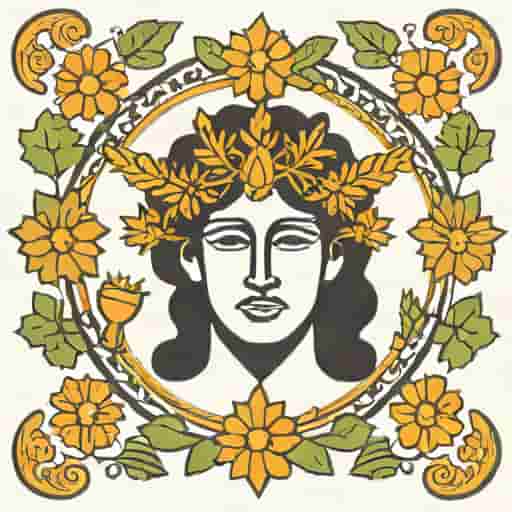
The Dionysian festival is one of the most fascinating and historically significant celebrations of ancient times, closely associated with the worship of Dionysus, the Greek god of wine, fertility, theater, and ecstasy. This festival played a central role in ancient Greek society, combining religious rituals, theatrical performances, and communal celebrations. It reflects the values, beliefs, and cultural practices of ancient civilizations and provides insight into how the Greeks expressed devotion, celebrated life, and explored human emotion. The festival’s influence extended beyond mere entertainment, shaping the development of Greek theater, literature, and social cohesion in profound ways.
Origins of the Dionysian Festival
The Dionysian festival, also known as the Dionysia, originated in ancient Greece, particularly in Athens, around the 6th century BCE. It was dedicated to Dionysus, who was revered as the god of wine, revelry, and ecstatic experience. The festival was rooted in agricultural and religious practices, celebrating the grape harvest and honoring the life-giving and transformative power of wine. These celebrations were initially rustic and rural, known as the Rural Dionysia, but evolved into larger, more organized city-wide festivals known as the City Dionysia. Over time, the festival became an important cultural and religious institution, integrating art, theater, and civic life.
Significance of Dionysus in Ancient Culture
- Dionysus represented the duality of human experience, combining joy and ecstasy with chaos and unpredictability.
- He was associated with fertility, agricultural abundance, and the life cycle, particularly the growth of grapevines.
- The god’s worship reflected themes of liberation, emotional expression, and transcendence of social norms.
- Dionysus played a central role in the development of Greek theater and performance arts.
Rituals and Celebrations
The Dionysian festival involved a combination of religious rituals, processions, performances, and communal feasting. Participants engaged in ceremonies that honored Dionysus, including sacrifices, singing, dancing, and the consumption of wine. These rituals were designed to create a sense of ecstasy, community, and spiritual connection, allowing individuals to experience a temporary release from societal constraints. The festival often involved masks and costumes, symbolizing transformation and the blurring of boundaries between human and divine.
Key Components of the Festival
- ProcessionsParticipants marched through the city carrying symbols of Dionysus, such as ivy, vines, and thyrsi (staffs wrapped in ivy).
- SacrificesOfferings of animals, food, and wine were made to honor the god and ensure his favor.
- Music and DanceSongs, hymns, and ecstatic dances were performed to invoke the presence and spirit of Dionysus.
- Theatrical PerformancesPlays, both tragedies and comedies, were staged, often exploring human emotions, morality, and the relationship between mortals and gods.
- Communal FeastingParticipants shared food and wine, fostering social cohesion and celebration of abundance.
The Role of Theater in the Dionysian Festival
One of the most enduring legacies of the Dionysian festival is its profound influence on the development of Greek theater. The City Dionysia became a central venue for theatrical competitions, where playwrights such as Aeschylus, Sophocles, Euripides, and Aristophanes presented their works. These plays explored themes of human experience, morality, and the divine, often reflecting the ecstatic and liberating spirit of Dionysus. Theater during the festival was not merely entertainment; it was a sacred act, integrating ritual, art, and social commentary.
Impact on Greek Drama
- Introduction of structured theatrical forms, including tragedy and comedy.
- Development of narrative techniques, character archetypes, and dramatic dialogue.
- Use of masks and costumes to enhance storytelling and represent divine or symbolic figures.
- Encouragement of civic participation and reflection on ethical, social, and political issues.
Cultural and Social Significance
The Dionysian festival served multiple purposes in ancient Greek society. It was a religious observance that honored the god Dionysus, but it was also a cultural event that brought communities together. By participating in rituals, performances, and communal celebrations, citizens reinforced social bonds, explored emotional and moral themes, and experienced a sense of unity and collective identity. The festival allowed for controlled expressions of chaos, ecstasy, and emotion, providing a structured outlet for human desires and fears. It reflected the integration of religion, art, and society, emphasizing the importance of cultural cohesion in ancient Greece.
Broader Implications
- Promotion of civic identity and collective cultural participation.
- Encouragement of artistic innovation and development of performance arts.
- Exploration of the human psyche, emotions, and moral dilemmas through ritual and theater.
- Influence on later Western cultural, theatrical, and literary traditions.
Legacy of the Dionysian Festival
The Dionysian festival’s influence extends far beyond ancient Greece. Its emphasis on theater, music, dance, and communal celebration laid the foundation for Western drama and performance arts. The concepts of ecstasy, emotional release, and transcendence associated with Dionysus continue to resonate in literature, psychology, and cultural studies. Modern interpretations of the festival often explore themes of liberation, creativity, and the balance between order and chaos. Scholars, historians, and artists study the Dionysian festival not only to understand ancient practices but also to gain insight into the enduring human fascination with celebration, ritual, and the transformative power of art.
Modern Interpretations
- Influence on contemporary theater and performance art, emphasizing emotional intensity and audience engagement.
- Psychological and philosophical studies of ecstasy, catharsis, and human emotional expression.
- Inspiration for festivals and artistic events that celebrate creativity, music, and communal participation.
- Continued scholarly interest in ancient Greek culture, religion, and social practices.
The Dionysian festival is a remarkable example of how ancient societies celebrated life, religion, and culture. Associated with the worship of Dionysus, it combined ritual, theatrical performance, music, dance, and communal celebration to create a complex and meaningful social experience. The festival’s legacy is evident in the development of Greek theater, cultural cohesion, and the ongoing study of human emotion and artistic expression. By understanding the Dionysian festival, one gains insight into the values, beliefs, and creativity of ancient civilizations and appreciates the enduring influence of these celebrations on modern culture, art, and society.