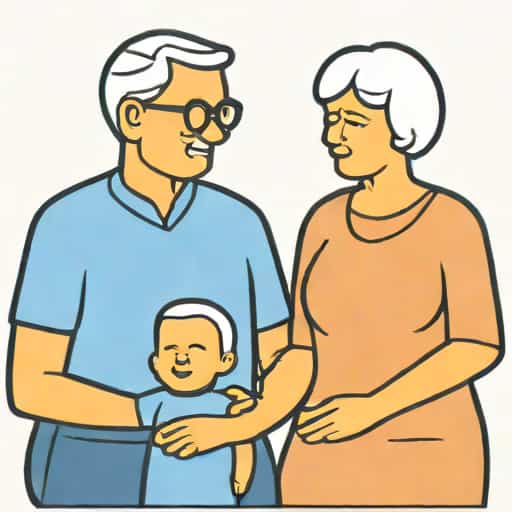
The question of can a grandparent get custody of a grandchild often arises during difficult family situations. It is usually not asked lightly, but during moments of crisis such as divorce, illness, substance abuse, or the loss of a parent. Grandparents may step forward out of love, concern, and a sense of responsibility to protect a child’s well-being. While parents are generally given priority in custody matters, the law in many places does allow grandparents to seek custody under certain circumstances, especially when it serves the best interests of the child.
Understanding Custody and Parental Rights
Custody refers to the legal authority to make decisions about a child’s life and the responsibility for daily care. In most legal systems, parents have a fundamental right to raise their children. Courts are usually reluctant to interfere with this right unless there is clear evidence that a parent is unable or unwilling to provide proper care.
When asking can a grandparent get custody of a grandchild, it is important to understand that grandparents do not automatically have the same rights as parents. However, they are often considered important figures in a child’s life, and courts may recognize this role when evaluating custody requests.
Types of Custody
Custody can be divided into different categories, and understanding them helps clarify what grandparents may seek.
- Physical custody, which determines where the child lives
- Legal custody, which involves decision-making authority
- Temporary custody, often granted during emergencies
- Permanent custody, which is long-term and more difficult to change
In some cases, grandparents may seek temporary custody first, especially if a parent is facing short-term challenges.
Situations Where Grandparents May Seek Custody
Courts typically consider grandparent custody when there are serious concerns about the child’s safety or stability. The question can a grandparent get custody of a grandchild is most relevant in situations where parents are unable to meet their responsibilities.
Parental Unfitness or Inability
If a parent is found unfit due to abuse, neglect, addiction, or severe mental health issues, a court may look for alternative caregivers. Grandparents are often seen as a preferable option because they provide continuity of family and emotional connection.
In cases of incarceration or long-term illness, grandparents may also step in to ensure the child has a stable home environment.
Death of One or Both Parents
When one or both parents pass away, custody becomes a pressing issue. If the surviving parent is unable to care for the child, grandparents may petition the court for custody. Even when one parent survives, grandparents may seek custody if they believe the child’s welfare is at risk.
The Best Interests of the Child Standard
At the center of all custody decisions is the best interests of the child. This principle guides courts when deciding whether a grandparent can get custody of a grandchild. Judges look beyond family titles and focus on what arrangement will best support the child’s physical, emotional, and psychological needs.
Factors Courts Commonly Consider
While specific factors vary by jurisdiction, courts often evaluate similar elements when reviewing grandparent custody cases.
- The child’s existing relationship with the grandparent
- The stability of the grandparent’s home
- The child’s age and special needs
- The physical and mental health of all parties
- The ability of the grandparent to provide long-term care
A strong, positive bond between the grandparent and grandchild can significantly influence the court’s decision.
Legal Standing and the Right to File
Not all grandparents automatically have the right to file for custody. Legal standing depends on local laws and the specific family situation. Some jurisdictions require grandparents to prove an existing caregiving role or show that denying custody would harm the child.
The question can a grandparent get custody of a grandchild often hinges on whether the grandparent can legally bring the case before a judge. Demonstrating involvement in the child’s life, such as providing housing, financial support, or daily care, can help establish standing.
Temporary vs. Permanent Custody Requests
Temporary custody is sometimes granted quickly in emergency situations. This allows the child to remain safe while the court conducts a more detailed review. Permanent custody requires stronger evidence and a more thorough legal process.
Grandparents pursuing permanent custody must usually show that returning the child to a parent would not be safe or beneficial.
The Role of Consent and Family Agreement
In some cases, parents may voluntarily agree to transfer custody to grandparents. This often happens when parents recognize their limitations and believe the grandparent can provide better care. When consent is involved, the legal process is usually smoother and less adversarial.
However, even with parental consent, courts still review the arrangement to ensure it aligns with the child’s best interests.
When Parents Object
Custody disputes become more complex when parents object to a grandparent’s request. Courts then must balance parental rights with concerns for the child’s welfare. Grandparents must provide compelling evidence to overcome the presumption that a parent should retain custody.
Emotional and Practical Considerations
Beyond legal requirements, grandparents should consider the emotional and practical impact of taking custody. Raising a child requires time, energy, and financial resources. While love and commitment are essential, courts also consider whether grandparents can realistically meet a child’s needs.
The child’s emotional adjustment is also important. Moving into a grandparent’s home can be comforting, but it may also involve changes in school, routines, and social life.
Support Systems and Planning
Courts often look favorably on grandparents who demonstrate strong support systems. This may include other family members, stable income, and access to healthcare and education.
Planning for the future, including what happens if the grandparent becomes ill or unable to provide care, can also strengthen a custody case.
Grandparent Custody
The question can a grandparent get custody of a grandchild does not have a simple yes or no answer. It depends on many factors, including the child’s needs, the parents’ situation, and local laws. While grandparents do not have automatic custody rights, courts do recognize their importance in a child’s life.
Ultimately, custody decisions aim to protect children and provide them with stable, loving environments. In many cases, grandparents play a vital role in achieving that goal. With the right circumstances, preparation, and focus on the child’s best interests, grandparents may be granted custody and offer their grandchildren a safe and supportive home.