Many people across the United States recognize states by their nicknames, which often reflect history, culture, or natural features. When someone asks what state is known as the Yellowhammer State, they are usually surprised to learn that the answer is deeply connected to history rather than wildlife alone. This nickname carries stories of war, identity, and regional pride that have shaped how residents and outsiders view the state over time. Understanding the meaning behind the Yellowhammer State offers insight into American history and symbolism.
The State Known as the Yellowhammer State
The state known as the Yellowhammer State is Alabama. This nickname has been associated with Alabama for more than a century and remains one of its most recognizable unofficial titles.
While Alabama also has other nicknames, the Yellowhammer State stands out because of its unique historical origins and cultural significance.
What Is a Yellowhammer?
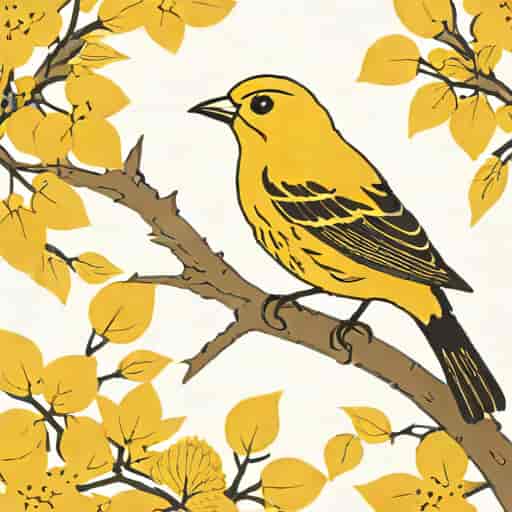
A yellowhammer is a type of woodpecker, more formally known as the northern flicker. The bird has distinctive yellow feathers under its wings and tail, which become visible when it flies.
Although yellowhammers are found in many parts of the United States, their connection to Alabama is symbolic rather than geographical.
Origins of the Yellowhammer State Nickname
The nickname Yellowhammer State dates back to the American Civil War. During the early years of the war, Alabama soldiers wore uniforms that featured yellow trim or patches.
Other troops began referring to these soldiers as yellowhammers, comparing the bright yellow on their uniforms to the feathers of the bird.
How the Name Became Popular
- Alabama soldiers were identified by yellow accents on uniforms
- The nickname spread among Confederate troops
- It became a point of pride rather than an insult
- The term eventually represented the entire state
Over time, the label shifted from military slang to a symbol of state identity.
From Soldiers to State Identity
After the Civil War, the term Yellowhammer continued to be used to describe people from Alabama. Rather than fading away, it became part of the state’s cultural language.
By the late 19th century, Alabama newspapers and public figures were openly using the term as a nickname for the state.
Official Recognition of the Yellowhammer
In 1927, the yellowhammer bird was officially designated as Alabama’s state bird. This formal recognition strengthened the association between the state and the nickname.
The decision helped transform the Yellowhammer State from a historical reference into a lasting symbol recognized nationwide.
Other Nicknames of Alabama
Although Alabama is best known as the Yellowhammer State, it has several other nicknames that highlight different aspects of its identity.
Common Alabama Nicknames
- The Heart of Dixie
- The Cotton State
- The Camellia State
Each nickname reflects a different chapter of Alabama’s history, economy, or natural beauty.
Why the Yellowhammer State Matters Today
The Yellowhammer State nickname remains relevant because it represents resilience and shared identity. It connects modern Alabama to its past while serving as a recognizable cultural marker.
Sports teams, businesses, and local organizations often use the yellowhammer name or imagery to show state pride.
The Yellowhammer in Alabama Culture
The yellowhammer bird appears in various aspects of Alabama culture, including literature, education, and local branding.
Schools teach students about the state bird as part of Alabama history, reinforcing the connection from a young age.
Misconceptions About the Yellowhammer State
Some people mistakenly believe the nickname comes from a large population of yellowhammer birds in Alabama. In reality, the bird itself is common across many states.
The nickname is rooted in history, not ecology, which often surprises those learning about it for the first time.
Comparison With Other State Nicknames
Many states have nicknames linked to historical events, much like Alabama. These names often emerge from specific moments and later grow into broader symbols.
The Yellowhammer State fits this pattern, showing how history can shape identity long after the original events have passed.
How the Nickname Is Used Today
Today, the term Yellowhammer State appears in tourism campaigns, educational materials, and cultural discussions. It helps distinguish Alabama in conversations about American regions.
The nickname often evokes a sense of tradition and continuity.
Symbolism of the Yellowhammer Bird
The yellowhammer bird symbolizes energy, visibility, and adaptability. These qualities align well with the state’s efforts to balance tradition and progress.
Its bright coloring makes it a memorable emblem that stands out among other state symbols.
Public Perception Outside Alabama
Outside the state, many people recognize Alabama primarily by the Yellowhammer State nickname. It often appears in trivia questions, educational resources, and cultural references.
This recognition helps maintain Alabama’s unique place in national identity.
Why Nicknames Matter in State Identity
State nicknames play an important role in shaping how residents see themselves and how others perceive them. They condense history, culture, and values into a single phrase.
The Yellowhammer State does exactly that for Alabama.
Educational Importance
Learning why Alabama is called the Yellowhammer State helps students understand how language, history, and symbolism interact.
It also encourages curiosity about how other states earned their nicknames.
Modern Pride in the Yellowhammer State
Despite changing times, many Alabamians still embrace the Yellowhammer identity with pride. It serves as a reminder of shared heritage and perseverance.
The nickname continues to unite people across generations.
The state known as the Yellowhammer State is Alabama, a nickname rooted in Civil War history and strengthened through cultural tradition. Far more than a reference to a bird, the Yellowhammer State represents resilience, identity, and pride. From its origins among soldiers to its place in modern education and symbolism, the nickname remains an important part of how Alabama is understood both within the state and beyond its borders.