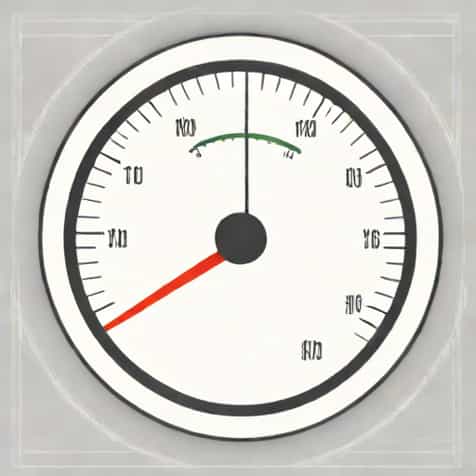
A barometer is a scientific instrument that has played a vital role in weather prediction and atmospheric studies for centuries. People have long been fascinated by the changing patterns of the sky, and barometers provide a tangible way to measure air pressure, one of the most important factors influencing weather. By observing fluctuations in air pressure, scientists, meteorologists, and even sailors can anticipate changes in weather conditions, such as storms, clear skies, or sudden shifts in temperature. Understanding what a barometer is used for not only helps in predicting weather but also contributes to safety, agriculture, and everyday planning.
What is a Barometer?
A barometer is an instrument used to measure atmospheric pressure, which is the force exerted by the weight of air in the atmosphere on a given area. Atmospheric pressure changes with altitude, temperature, and weather conditions, making it a crucial factor for meteorology. Barometers can be analog or digital and come in various types, including mercury barometers, aneroid barometers, and digital barometers. Each type measures pressure differently but serves the same essential purpose to provide accurate readings of the surrounding air pressure.
Types of Barometers
- Mercury BarometerUses a column of mercury in a glass tube to measure atmospheric pressure. The height of the mercury column changes with pressure variations.
- Aneroid BarometerUses a sealed, flexible metal chamber that expands or contracts with pressure changes. This movement is translated into a dial reading.
- Digital BarometerUses electronic sensors to measure pressure and often provides readings in multiple units like millibars, inches of mercury, or Pascals.
Primary Uses of a Barometer
Barometers are primarily used for monitoring and predicting weather. By measuring air pressure, these instruments help forecast changes in the atmosphere that often precede different weather events. For example, falling air pressure typically signals an approaching storm or rainy weather, while rising pressure usually indicates fair and sunny conditions. Understanding these patterns allows individuals and organizations to prepare and respond appropriately to weather changes.
Meteorology and Weather Prediction
Meteorologists rely heavily on barometers to track atmospheric pressure trends. By recording daily pressure changes, they can predict short-term weather changes with reasonable accuracy. Weather forecasts that we see on television, radio, or online platforms often depend on data collected from barometers around the world. This information is essential for planning outdoor activities, agricultural operations, and public safety measures.
Aviation and Navigation
Barometers are also critical in aviation. Pilots use barometric pressure readings to determine altitude and maintain safe flight levels. Pressure altimeters, which are a type of barometer, help aircraft navigate safely by providing accurate altitude measurements based on air pressure. Similarly, sailors and mariners use barometers to anticipate storms at sea. A sudden drop in pressure can alert them to take precautionary measures, ensuring the safety of the crew and cargo.
Scientific Research
Barometers are essential tools in scientific studies, especially in fields such as climatology, meteorology, and environmental science. Scientists use them to track atmospheric pressure trends over time, study weather patterns, and monitor climate changes. These measurements help researchers understand long-term shifts in weather and contribute to climate models that predict future environmental conditions.
Practical Everyday Uses
Aside from professional applications, barometers can also be useful in daily life. Home weather stations often include barometers to give homeowners an idea of upcoming weather changes. Gardeners, hikers, and outdoor enthusiasts can use barometric readings to prepare for rain, storms, or extreme weather conditions. This practical application of barometers demonstrates how scientific instruments can enhance everyday decision-making.
How a Barometer Works
The functioning of a barometer depends on the type. Mercury barometers measure air pressure by the height of mercury in a glass tube. When atmospheric pressure increases, it pushes the mercury higher, and when pressure decreases, the mercury level falls. Aneroid barometers work by using a flexible metal chamber. Changes in air pressure cause the chamber to expand or contract, moving a needle on a dial to indicate the current pressure. Digital barometers use electronic sensors to detect pressure variations and display the results on a digital screen, often with additional features like trend indicators.
Interpreting Barometer Readings
- High PressureUsually indicates clear, calm weather.
- Low PressureOften signals storms, rain, or unsettled weather.
- Rapid ChangesSudden rises or falls in pressure can indicate severe weather conditions or approaching fronts.
Reading a barometer accurately requires understanding these basic principles. Consistent monitoring over time allows users to recognize patterns and predict weather events more reliably.
History of the Barometer
The barometer was invented in the 17th century by Evangelista Torricelli, an Italian physicist and mathematician. He created the first mercury barometer and demonstrated that air has weight, which was a groundbreaking discovery at the time. Over the centuries, barometers have evolved to include aneroid and digital types, making them more portable, safer, and easier to use. Despite these advances, the fundamental principle-measuring atmospheric pressure-remains the same, highlighting the enduring importance of this instrument.
Modern Innovations
- Digital barometers in smartphones and smartwatches provide instant pressure readings and weather alerts.
- Integrated weather stations combine barometers with thermometers, hygrometers, and other sensors for comprehensive atmospheric monitoring.
- Advanced meteorological networks use barometric data from thousands of stations worldwide to create detailed weather models and forecasts.
In summary, a barometer is an essential instrument used to measure atmospheric pressure, helping predict weather changes and understand atmospheric conditions. Its uses span meteorology, aviation, navigation, scientific research, and everyday applications like home weather monitoring. By measuring pressure, a barometer provides valuable insights into weather patterns, allowing people to prepare for storms, plan outdoor activities, and make informed decisions. From its historical invention in the 17th century to modern digital innovations, the barometer remains a vital tool for both professionals and the general public. Understanding what a barometer is used for underscores the importance of atmospheric pressure in daily life and highlights how scientific instruments can provide practical benefits that enhance safety, planning, and awareness.