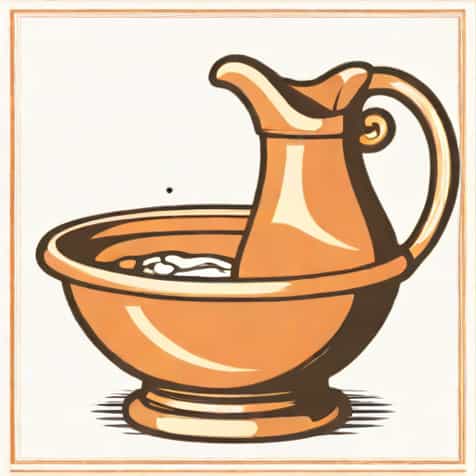
Long before running water and indoor plumbing became standard features in homes, the vintage washbowl and pitcher were essential household items. They were not only practical tools for daily hygiene but also decorative pieces that reflected a family’s taste and social standing. Often placed on a washstand in the bedroom or guest room, these sets consisted of a large ceramic or porcelain bowl paired with a matching pitcher filled with fresh water. Today, vintage washbowl and pitcher sets are prized as collectibles, decorative antiques, and nostalgic reminders of a bygone era. Their charm lies in their craftsmanship, history, and timeless appeal.
The History of Washbowl and Pitcher Sets
The origins of the washbowl and pitcher can be traced back centuries, when people relied on portable vessels for washing hands, faces, and sometimes entire bodies. Before bathrooms with sinks and taps existed, the washstand with its accompanying bowl and jug was a daily necessity. During the Victorian era, these items became increasingly elaborate, with beautifully decorated porcelain and ceramic designs that served both function and style. By the late 19th and early 20th centuries, washbowl and pitcher sets were common in homes across Europe and America, often displayed as much for beauty as for utility.
Materials and Craftsmanship
Vintage washbowl and pitcher sets were typically made from durable and decorative materials. Their construction showcased skilled craftsmanship and often reflected the artistic trends of the time.
Common Materials
- Porcelain– Favored for its smooth surface and ability to hold intricate painted details.
- Ceramic– Practical and versatile, available in a wide range of colors and finishes.
- Ironstone– Durable and heavy, popular in Victorian households.
- Enamelware– Lightweight and affordable, often used in simpler households.
Design Styles and Decoration
The beauty of vintage washbowl and pitcher sets lies in their variety of styles. Some were simple and utilitarian, while others were ornate, designed to impress guests and display wealth. Popular designs included floral patterns, gilded edges, and intricate hand-painted motifs. Many sets were part of a larger washstand ensemble that included a soap dish, toothbrush holder, and chamber pot, all matching in design.
Popular Decorative Themes
- Delicate floral motifs with roses, violets, or lilies.
- Pastel backgrounds with hand-painted accents.
- Gold or silver gilding on rims and handles.
- Victorian patterns with elaborate borders and detailing.
The Role of Washbowls and Pitchers in Daily Life
In the 18th and 19th centuries, washbowls and pitchers played a central role in daily hygiene routines. The pitcher would be filled with fresh water in the morning, and family members would use the bowl to wash. For guests, a beautifully arranged washstand with a decorative bowl and jug was a symbol of hospitality. These sets combined functionality with a touch of refinement, making them both useful and ornamental.
Decline with Modern Plumbing
The introduction of indoor plumbing in the late 19th and early 20th centuries marked the decline of the washbowl and pitcher as a daily household item. Sinks with running water quickly replaced the need for portable water vessels. By the mid-20th century, most homes no longer relied on them for hygiene, but many families kept them as heirlooms or decorative objects. Today, they survive as a reminder of how daily life once revolved around simple yet elegant rituals.
Collecting Vintage Washbowl and Pitcher Sets
Antique enthusiasts and collectors often seek vintage washbowl and pitcher sets for their beauty and historical value. They are commonly found in antique shops, estate sales, and online markets. Collectors value sets that remain intact, with both the bowl and pitcher in good condition and ideally part of a larger washstand set.
What Collectors Look For
- Condition– No chips, cracks, or heavy staining on the ceramic or porcelain.
- Matching Pieces– A complete set is more valuable than individual items.
- Maker’s Marks– Identifiable stamps from known manufacturers can increase worth.
- Unique Designs– Rare patterns, colors, and hand-painted details attract higher interest.
Decorating with Vintage Washbowl and Pitcher Sets
Even though they are no longer used for their original purpose, vintage washbowl and pitcher sets make excellent decorative accents. They bring charm and character to interiors, especially when used in rustic, farmhouse, or Victorian-inspired designs. Some homeowners use them as centerpieces, while others repurpose them in creative ways.
Creative Decorative Ideas
- As a flower vase, with fresh or dried arrangements.
- As a decorative centerpiece on dining or console tables.
- As storage, holding rolled-up hand towels or toiletries in bathrooms.
- As a conversation piece in vintage-themed bedrooms or guest rooms.
Restoring and Caring for Antique Pieces
Preserving the condition of a vintage washbowl and pitcher is important for both value and beauty. Regular cleaning with gentle methods helps maintain their luster without damaging delicate paint or glazing. Harsh chemicals should be avoided, as they can wear away finishes or cause cracks. When properly cared for, these antiques can last for generations, making them timeless heirlooms.
Symbolism and Nostalgia
For many, the vintage washbowl and pitcher represent more than just functional antiques-they symbolize a slower, more intentional way of living. They remind us of an era when daily routines involved careful preparation and elegance in even the simplest tasks. In modern times, they carry a sense of nostalgia, evoking memories of grandparents’ homes, old farmhouses, and the charm of simpler days.
Why They Remain Timeless
Although technology has long replaced their original purpose, vintage washbowl and pitcher sets remain timeless due to their aesthetic appeal and cultural significance. They embody craftsmanship, tradition, and history in a tangible form. Their versatility as decorative pieces ensures they continue to be cherished in modern homes, whether displayed for elegance or repurposed for creative uses.
The vintage washbowl and pitcher set holds a unique place in history as both a functional household necessity and a decorative work of art. From their role in daily hygiene to their evolution into cherished antiques, these pieces continue to capture the imagination of collectors, decorators, and history lovers. Their enduring appeal lies in their beauty, craftsmanship, and ability to connect us to the past while still serving as stylish additions to modern interiors. Whether displayed on a washstand or repurposed in creative ways, the washbowl and pitcher remain iconic symbols of elegance and tradition.