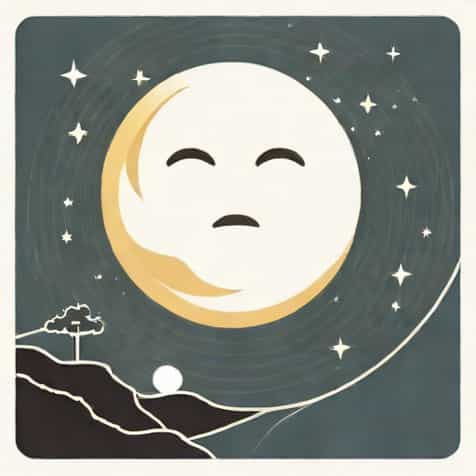
When readers come across the line the moon was shining sulkily, they often pause to reflect on its unusual tone. It is not a common way to describe the moon, which is usually associated with calmness, beauty, or mystery. Instead, the phrase brings a sense of moodiness, almost as if the moon itself carried human emotions. This imaginative personification sparks curiosity about the deeper meaning, its literary origins, and how such wording changes the way we visualize the night sky. Exploring this phrase opens doors to discussions about poetry, symbolism, and the creative use of language in literature.
Understanding the Phrase
The expression the moon was shining sulkily is an example of personification, where human traits are given to non-human things. The moon cannot truly sulk, but the description makes it feel alive, carrying the weight of dissatisfaction or gloom. Writers often use such devices to create atmosphere and engage the reader’s imagination. By choosing the word sulkily, the writer suggests that the moon’s light does not fall cheerfully or brightly, but rather reluctantly, as though the moon were unwilling to shine.
Impact of Personification
Personification is a powerful tool in literature because it builds connections between readers and the natural world. In this case, the moon takes on a personality, evoking feelings of melancholy or even quiet rebellion. Instead of being a distant celestial object, it becomes relatable-like a character in the story who has its own moods. This emotional framing shapes how readers interpret the scene, whether it feels eerie, somber, or reflective.
Literary Origins of the Phrase
The line the moon was shining sulkily is widely recognized from the opening of Lewis Carroll’s famous nonsense poemThe Walrus and the Carpenter, included in his bookThrough the Looking-Glass. Carroll was known for bending the rules of language, creating whimsical and sometimes unsettling imagery. By beginning the poem with such a peculiar description, he set a tone that was both playful and mysterious, drawing readers into a world where ordinary things behave in extraordinary ways.
The Role in Carroll’s Poem
In Carroll’s work, the sulking moon adds to the surreal atmosphere. It introduces readers to a universe where even celestial bodies have moods, aligning with the overall nonsense style of the poem. Yet, beneath the surface, the phrase hints at contradictions and ironies-a shining moon that is not happy to shine, light that seems tinged with reluctance. This duality is part of what makes Carroll’s writing so memorable.
Symbolic Interpretations
Beyond its literary origin, the phrase can be interpreted symbolically. The moon often represents mystery, femininity, cycles, or hidden truths. When described as shining sulkily, it suggests inner conflict or dissatisfaction. This can reflect human emotions projected onto the natural world, reminding us that literature often uses nature to mirror psychological states.
- MelancholyThe moon’s sulky light can symbolize sadness or nostalgia.
- ResistanceThe reluctance to shine could represent quiet protest or hesitation.
- IronyA shining object that sulks reflects contradictions, much like human emotions.
The Power of Mood in Literature
When readers encounter imagery like this, it immediately sets a mood. A cheerful description of the moon might suggest romance or serenity, while a sulky moon feels unsettling and somber. Writers often rely on such tonal choices to guide readers’ emotional responses. In this way, the moon was shining sulkily is not just a quirky line-it is a deliberate act of mood-setting.
Comparing with Other Moon Imagery
Throughout history, the moon has been described in countless ways as a lover, a guide, a ghostly figure, or a silent observer. What makes Carroll’s version stand out is its playful twist. Instead of being noble or beautiful, the moon is moody. This contrast makes the phrase memorable and sparks discussions about how language shapes imagination.
The Moon in Poetry and Prose
The moon has been one of the most enduring symbols in poetry and prose. From ancient myths to modern novels, it has represented everything from divine guidance to hidden desires. Carroll’s description, however, challenges traditional associations. Rather than being exalted, the moon is brought down to a human level, with its own sulks and whims. This approach makes readers question familiar images and reconsider what they expect from literary descriptions.
Other Examples of Unusual Moon Depictions
Many poets and writers have described the moon in surprising ways. For instance, some depict it as cold and distant, while others see it as playful and mischievous. Each portrayal offers new perspectives on how we relate to the world around us. The moon was shining sulkily fits within this tradition of reimagining celestial bodies to evoke fresh emotional responses.
Why the Phrase Resonates
Part of the enduring charm of this phrase lies in its simplicity. It is short, direct, and easy to understand, yet it leaves a lasting impression. Readers can instantly picture the moonlight falling reluctantly, perhaps dimmer or colder than usual. The choice of one unusual word-sulkily-transforms the entire image. This demonstrates how even small details in language can alter meaning and mood significantly.
Connection to Human Emotion
Readers often relate to the moon’s sulky shine because sulking is a familiar human behavior. Everyone has experienced moments of reluctance, dissatisfaction, or quiet rebellion. By projecting these emotions onto the moon, Carroll allows readers to see a piece of themselves in the night sky. This connection makes the phrase not only poetic but also personal.
Influence on Modern Readers
In today’s world, where literature is constantly revisited and reinterpreted, the moon was shining sulkily continues to intrigue readers. It is quoted in discussions of Carroll’s work, used in literary analysis, and sometimes referenced in creative writing. Its influence extends beyond its original context, serving as an example of how language can defy expectations while still resonating deeply with audiences.
Use in Creative Writing
Writers often study such phrases to learn how to craft impactful imagery. The lesson is clear a single unexpected word can change the entire tone of a scene. By adopting similar techniques, modern authors and poets can create descriptions that linger in the reader’s mind long after the text is read.
The phrase the moon was shining sulkily may seem playful on the surface, but it holds layers of meaning. From its origin in Lewis Carroll’s whimsical poetry to its symbolic undertones, it showcases the richness of literary imagination. The sulky moon is not just an odd description-it is a reminder of how language can transform familiar images into something strange, memorable, and emotionally powerful. Whether read as nonsense, symbolism, or creative brilliance, this simple line continues to capture the curiosity of readers, ensuring its place in the broader landscape of literature and poetic expression.