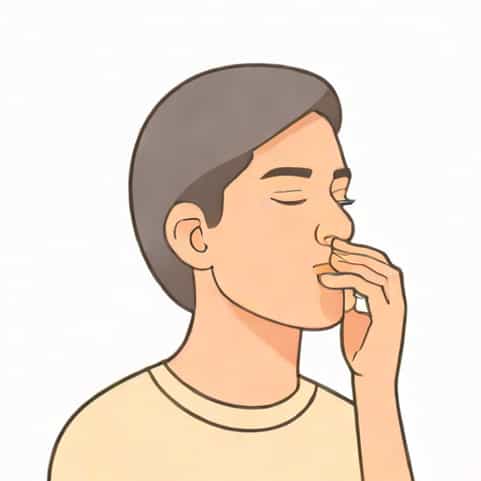
Smelling non existent smells can be a confusing and sometimes unsettling experience. Many people report catching a whiff of smoke, perfume, or other odors even though nothing is present in their environment. This phenomenon, often called phantom smells or phantom odors, can occur occasionally or become a recurring issue. While sometimes harmless, it can also be linked to certain health conditions, lifestyle factors, or changes in the body. Understanding why these smells happen, what they might mean, and when to seek help is important for both peace of mind and overall health awareness.
What Does Smelling Non Existent Smells Mean?
Smelling odors that are not really there is medically referred to as phantosmia. It is different from normal perception of scents because the smell exists only in the mind, not in the surrounding air. People may describe these odors as pleasant or unpleasant, ranging from flowers or coffee to burning rubber or rotten food. While brief episodes can occur for many reasons, persistent phantom smells may require medical attention.
Common Descriptions of Phantom Smells
People who experience phantosmia often report a wide range of imaginary scents. Some of the most frequently mentioned include
- Burning smells such as smoke, wood, or plastic
- Chemical odors like ammonia, gas, or cleaning products
- Food-related scents such as coffee, chocolate, or onions
- Unpleasant odors such as sewage, mold, or spoiled food
- Perfumes or floral fragrances without a source
Possible Causes of Smelling Non Existent Smells
The experience of phantom odors can stem from various sources, ranging from temporary irritations to more serious neurological issues. Some of the most common causes include
Nasal and Sinus Issues
Problems with the nose or sinuses are among the most frequent explanations. Infections, inflammation, or polyps in the nasal cavity can alter the way smells are processed. When the olfactory system is irritated, it may misfire, creating sensations of smells that do not exist.
Neurological Conditions
Certain neurological conditions can trigger phantosmia. Disorders such as epilepsy, Parkinson’s disease, and Alzheimer’s disease sometimes affect the brain regions responsible for processing smells. In these cases, phantom odors may serve as an early sign of changes in brain function.
Head Trauma
Head injuries that affect the olfactory nerve or brain areas involved in smell perception can lead to altered or phantom smells. Even mild concussions may temporarily disturb the sense of smell, while more severe injuries can cause long-term changes.
Exposure to Strong Odors
Sometimes, after being exposed to intense smells such as smoke, paint, or chemicals, the brain may continue to register those odors even after they are gone. This lingering effect can feel like smelling non existent smells.
Medication Side Effects
Certain medications, including some antibiotics, antidepressants, and seizure drugs, can affect the sense of smell. As a side effect, some individuals may notice phantom odors appearing sporadically.
Migraines
Some migraine sufferers report phantom smells as part of their aura symptoms. These odors can appear before, during, or after a migraine episode, often acting as a warning sign that a headache is on the way.
How Phantom Smells Are Diagnosed
If someone frequently experiences smelling non existent smells, medical evaluation may be necessary. Doctors usually begin with a detailed history of symptoms, including when the phantom smells occur, how long they last, and what they smell like. They may also perform tests such as
- Physical examination of the nose, sinuses, and throat
- Imaging scans like MRI or CT to check for neurological or sinus-related issues
- Olfactory function tests to evaluate the sense of smell
- Blood work to rule out infections or underlying conditions
When to Seek Medical Advice
Occasional phantom smells may not be a cause for concern, but frequent or persistent episodes should not be ignored. It is recommended to seek medical advice if
- The smells last for several days or weeks
- The odors are unpleasant and interfere with daily life
- Phantom smells appear alongside headaches, seizures, or memory problems
- There is a recent history of head injury or neurological issues
Managing and Treating Phantom Smells
The treatment for smelling non existent smells depends on the underlying cause. In some cases, no treatment is necessary because the odors fade over time. In other situations, specific therapies may be recommended.
Medical Treatments
- Nasal sprays or rinsesUsed to reduce inflammation or clear sinus congestion.
- AntibioticsIf the issue is related to a bacterial sinus infection.
- Medication adjustmentsSwitching or altering prescribed drugs that may cause phantom odors.
- SurgeryIn cases involving nasal polyps or other structural problems.
Lifestyle Adjustments
In addition to medical care, some people find relief through simple lifestyle changes
- Avoiding strong chemicals or irritants like smoke and perfumes
- Staying hydrated to keep nasal passages moist
- Using a humidifier to improve air quality indoors
- Practicing stress-reducing techniques, since stress can sometimes worsen phantom smells
Emotional and Psychological Impact
Smelling non existent smells can affect more than just the senses-it can influence emotions and mental well-being. Persistent unpleasant odors may cause anxiety, frustration, or even depression if the condition is not addressed. Understanding that this phenomenon is recognized in medical science can help reduce fear and encourage people to seek support.
Support and Coping
Talking to healthcare providers, joining support groups, or sharing experiences with friends and family can help those affected feel less isolated. Knowing others experience similar issues can provide comfort and motivation to find effective coping strategies.
Preventing Phantom Smells
While not all cases can be prevented, maintaining good overall health can lower the risk of experiencing phantom odors. This includes
- Protecting the head from injury during sports or accidents
- Managing allergies and sinus issues promptly
- Following medical advice for migraines or neurological conditions
- Avoiding prolonged exposure to strong fumes and chemicals
Smelling non existent smells, or phantosmia, is a unique phenomenon that can range from a minor nuisance to a sign of an underlying health issue. While it is often temporary, persistent phantom odors deserve attention and evaluation. By understanding the causes, seeking medical advice when necessary, and adopting supportive lifestyle habits, individuals can manage the condition more effectively. Awareness and education about phantom smells can help reduce anxiety, improve daily living, and ensure better health outcomes.