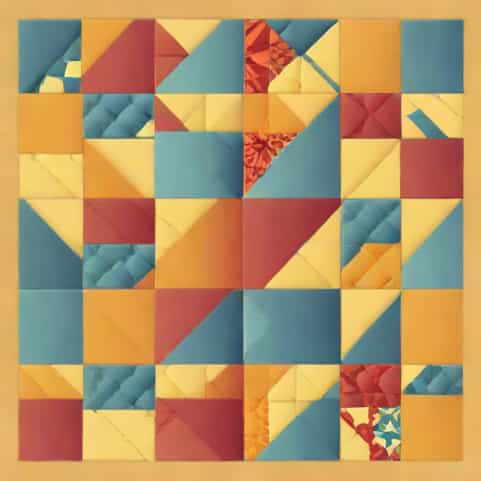
Quilting with a modern slant represents a contemporary approach to a traditional craft, combining timeless quilting techniques with fresh design aesthetics and innovative materials. This style embraces bold colors, geometric patterns, minimalistic layouts, and experimental textures, making quilts not only functional but also striking pieces of art. Modern quilting attracts both experienced quilters and newcomers by providing creative freedom and opportunities to explore personal expression while still honoring the heritage of quilting. It has evolved into a versatile craft that can be displayed as wall art, used in home decor, or gifted as meaningful, handcrafted items.
Defining Modern Quilting
Modern quilting differs from traditional quilting in its approach to design, layout, and fabric selection. While classic quilts often follow symmetrical patterns and historical motifs, modern quilts frequently employ asymmetry, negative space, and bold color contrasts. The emphasis is on clean lines, improvisational piecing, and fresh interpretations of traditional blocks. Quilters with a modern slant may also integrate unconventional fabrics such as solid cottons, organic materials, or upcycled textiles, giving their creations a contemporary edge while maintaining the functional warmth and comfort of a traditional quilt.
Key Features of Modern Quilts
- Minimalistic DesignModern quilts often feature open spaces and simple compositions, emphasizing design clarity over complex ornamentation.
- Bold ColorsBright, saturated colors or high-contrast palettes are commonly used to create visual impact.
- Geometric ShapesTriangles, rectangles, and other geometric forms dominate modern quilt patterns, sometimes in asymmetrical arrangements.
- Negative SpaceBlank or lightly patterned areas are intentionally left to balance busier sections, adding a contemporary aesthetic.
- Improvisational PiecingQuilters may experiment with irregular shapes, off-center blocks, and unexpected color combinations for originality.
Modern Quilting Techniques
Quilting with a modern slant incorporates both traditional methods and innovative techniques to achieve a fresh aesthetic. While machine and hand piecing are still commonly used, modern quilters often explore improvisational piecing, foundation paper piecing, and long-arm quilting for complex designs. Free-motion quilting allows for creative stitching patterns that complement modern geometric layouts or abstract designs. Additionally, modern quilters frequently experiment with color placement, texture layering, and asymmetrical borders to push the boundaries of conventional quilting while maintaining structural integrity.
Fabric Selection and Color Trends
Fabric choice is central to modern quilting. Solid-colored fabrics, tonal fabrics, and high-contrast prints are often preferred to create strong visual statements. Modern quilters also incorporate novelty fabrics, hand-dyed textiles, or digital prints to reflect personal style and contemporary trends. Understanding color theory is crucial for effective design; complementary and contrasting colors can be used to guide the viewer’s eye and emphasize focal points. Neutral backgrounds or large areas of white space are often paired with bright fabrics to enhance the modern appeal.
Design Inspiration and Creativity
Modern quilting encourages quilters to seek inspiration from a variety of sources. Architecture, graphic design, and nature can all influence pattern creation and color choices. Modern quilters often draw inspiration from art movements such as minimalism, abstract expressionism, and geometric abstraction. Online communities, social media, and quilting blogs provide endless examples of innovative quilts, fostering collaboration and inspiration. This cross-pollination of ideas encourages quilters to experiment with layouts, textures, and materials, making each quilt a unique artistic expression.
Applications and Uses
- Home DecorModern quilts serve as eye-catching throws, bedspreads, and wall hangings, blending seamlessly with contemporary interiors.
- Gift ItemsHandcrafted quilts with modern design elements make meaningful gifts that can be treasured for generations.
- Art ExhibitionsModern quilts are increasingly recognized as art pieces and are displayed in galleries, craft shows, and competitions.
- Community ProjectsModern quilting groups and guilds often collaborate on large-scale projects, combining individual creativity into collective works.
Benefits of Modern Quilting
Embracing a modern approach to quilting offers multiple benefits. It provides quilters with creative freedom to experiment with patterns, colors, and textures beyond the constraints of traditional designs. Modern quilting can be more accessible for beginners due to simpler block layouts and the flexibility of improvisational techniques. Additionally, it encourages problem-solving and critical thinking when planning designs and color arrangements. The sense of accomplishment and self-expression gained from creating a quilt with a personal touch adds emotional value, making the craft both rewarding and relaxing.
Tips for Quilters Adopting a Modern Approach
- Start SmallExperiment with small quilts or wall hangings before attempting large bed-sized quilts.
- Embrace Negative SpaceUse open areas strategically to balance complex patterns and enhance visual impact.
- Play with ColorDon’t be afraid to use bold, unconventional colors that express your personal style.
- Mix TechniquesCombine hand-piecing, machine quilting, and free-motion stitching for diverse textures and patterns.
- Stay InspiredFollow modern quilting communities, attend workshops, and explore other art forms for new ideas.
Quilting with a modern slant transforms a time-honored craft into a vibrant, contemporary art form. By embracing bold colors, geometric patterns, improvisational techniques, and creative fabrics, modern quilters produce pieces that are both functional and visually stunning. This approach celebrates individuality, artistic freedom, and innovation while maintaining the warmth and tradition inherent in quilting. Whether used as home decor, personal gifts, or gallery art, modern quilts demonstrate how a traditional craft can evolve with creativity, style, and imagination, inspiring quilters to push the boundaries of design and continue the legacy of quilting in new and exciting ways.