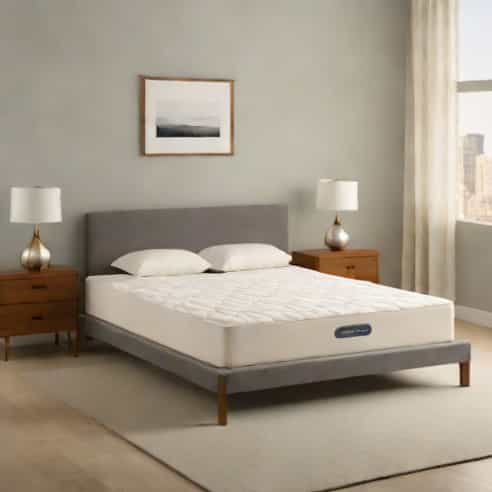
Memory foam mattresses are known for their comfort, support, and ability to conform to the body, but many owners may experience a situation where their mattress appears to deflate or lose its shape over time. This can be alarming, as it affects sleep quality and overall comfort. Understanding why a memory foam mattress may deflate, the factors that contribute to this issue, and how to address it can help prolong the life of the mattress and ensure a better sleeping experience. From manufacturing issues to environmental factors, several reasons may explain why a memory foam mattress does not retain its original form.
Understanding Memory Foam Mattress Deflation
Memory foam mattresses are designed to slowly regain their shape after compression, giving them the unique ability to contour to the body. However, deflation can occur when the foam does not fully expand, loses resilience, or develops indentations over time. While some compression is normal, especially in new mattresses that are vacuum-sealed for shipping, persistent deflation can indicate a deeper problem. It is important to distinguish between temporary deflation that occurs during initial setup and long-term loss of support.
Factors Affecting Mattress Inflation
Several factors influence how well a memory foam mattress maintains its shape and firmness. These include the quality of the foam, the density, environmental conditions, and usage patterns. High-quality, high-density foam is less likely to lose shape quickly, while lower-density foams may compress and deflate more easily under weight. Understanding these factors can help owners set realistic expectations for mattress performance and identify when deflation is abnormal.
Common Causes of Memory Foam Mattress Deflation
Deflation in memory foam mattresses can result from a variety of causes, ranging from initial setup issues to prolonged use. Identifying the root cause is essential for determining the appropriate solution and ensuring long-term comfort.
Compression During Shipping
Many memory foam mattresses are compressed, rolled, and vacuum-sealed for shipping. This process allows for convenient delivery but means that the foam may take several hours to several days to fully expand after being unpacked. During this period, the mattress may appear deflated or uneven, which is a normal part of the setup process. Patience and allowing the mattress to fully regain its shape are key.
Foam Density and Quality
The density of memory foam significantly impacts its ability to retain shape. High-density foam tends to be more durable and resilient, maintaining its form even with regular use. Lower-density foams may compress faster, leading to visible sagging or deflation. Choosing a mattress with higher foam density can help prevent premature deflation and ensure better long-term performance.
Environmental Factors
Temperature and humidity can affect memory foam performance. Memory foam is sensitive to heat, which can cause it to become softer and slower to regain its shape. Conversely, cold temperatures may make the foam feel firmer and slower to expand. High humidity can also impact foam structure over time. Maintaining a stable environment in the bedroom helps the mattress perform optimally.
Weight and Usage Patterns
Frequent use, especially with heavier individuals or uneven weight distribution, can cause memory foam to compress more quickly in certain areas. This can lead to depressions, sagging, or the appearance of deflation. Rotating the mattress regularly and ensuring even support can mitigate some of these issues. For couples, alternating sleeping positions or using a supportive foundation can also help distribute weight evenly.
Signs Your Mattress Is Deflating
Recognizing the signs of mattress deflation is important for determining whether intervention is necessary. Common indicators include noticeable sagging, indentations where the body rests, uneven surface, or a general loss of support and comfort. If these issues are persistent and affect sleep quality, they may indicate that the foam has permanently compressed and may need to be addressed.
Indentations and Sagging
One of the most obvious signs of deflation is the formation of permanent indentations where sleepers rest their body weight. These depressions can make the mattress feel uneven and may reduce proper spinal alignment, leading to discomfort or back pain over time.
Loss of Support
If a memory foam mattress no longer provides adequate support, this can affect sleep posture and quality. Loss of support is often noticeable in areas like the hips, shoulders, or lower back, where consistent pressure causes the foam to compress more quickly.
How to Prevent or Fix Mattress Deflation
There are several steps owners can take to prevent memory foam mattresses from deflating too quickly and to address minor sagging issues. Proper care, usage, and maintenance can extend the life of the mattress and preserve comfort.
Allow Proper Expansion
After unpacking a new mattress, give it time to fully expand. Depending on the mattress and foam density, this can take anywhere from 24 to 72 hours. Avoid placing heavy objects on the mattress during this period to ensure even expansion.
Use a Supportive Foundation
Proper support beneath the mattress is crucial. Using a firm bed frame, platform, or slatted base helps distribute weight evenly and prevents excessive compression in any one area. Avoid placing the mattress on soft surfaces that may contribute to sagging.
Rotate and Flip the Mattress
Regularly rotating the mattress from head to foot, or flipping if applicable, helps distribute wear evenly. This reduces the risk of permanent depressions and maintains overall firmness. Establishing a rotation schedule every few months can improve mattress longevity.
Maintain Ideal Environmental Conditions
Keeping the bedroom at a moderate temperature and controlling humidity can improve the foam’s responsiveness and reduce the risk of premature deflation. Avoid exposing the mattress to extreme heat, direct sunlight, or high moisture, as these factors can degrade memory foam over time.
Consider Mattress Toppers
If minor sagging has occurred, a memory foam mattress topper can provide additional comfort and support. Toppers can help even out the sleeping surface and temporarily alleviate areas affected by deflation. This is a cost-effective option before considering replacement.
When to Replace Your Memory Foam Mattress
Even with proper care, memory foam mattresses have a finite lifespan, typically ranging from 7 to 10 years depending on quality and usage. Persistent deflation, significant sagging, or discomfort that affects sleep quality may indicate it is time for a replacement. Investing in a new high-quality mattress ensures continued support, comfort, and sleep health.
Signs Replacement Is Needed
- Large, permanent indentations that cannot be corrected.
- Consistent loss of support in multiple areas.
- Reduced sleep quality due to discomfort or misalignment.
- Visible wear, tears, or foam breakdown.
Memory foam mattress deflation is a common concern that can arise from multiple factors, including foam density, environmental conditions, usage patterns, and improper setup. While some compression is normal, particularly in new mattresses, persistent sagging or loss of support requires attention. By understanding the causes of deflation, maintaining proper care, and using preventative measures such as supportive foundations, rotation, and environmental control, owners can prolong the life of their memory foam mattress. When sagging or deflation becomes significant and affects comfort, replacement may be necessary to ensure continued support and quality sleep. Awareness and proactive maintenance are key to enjoying the full benefits of a memory foam mattress over its expected lifespan.