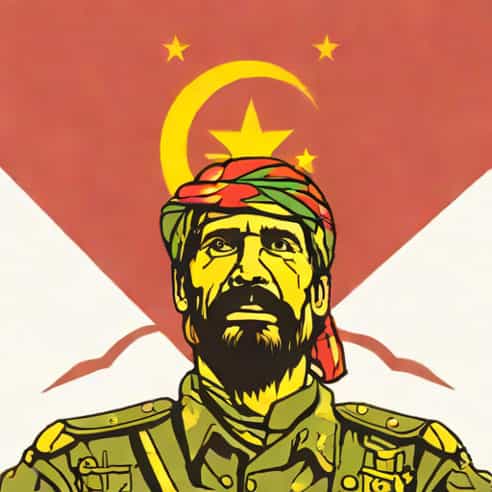
The issue of Kurdish separatism in Turkey has been a significant and complex topic for decades, influencing the country’s political landscape, security policies, and social dynamics. Rooted in historical grievances, ethnic identity, and socio-economic disparities, Kurdish separatism refers to movements and efforts by some Kurdish groups to gain greater autonomy or independence from the Turkish state. The Kurdish population, concentrated primarily in southeastern Turkey, has long faced political, cultural, and economic marginalization, fueling demands for recognition and self-determination. Understanding the origins, evolution, and current dynamics of Kurdish separatism in Turkey requires a comprehensive examination of history, politics, and regional developments.
Historical Background of Kurdish Identity in Turkey
The Kurdish people have inhabited regions spanning modern-day Turkey, Iraq, Iran, and Syria for centuries. In Turkey, Kurds have historically maintained distinct linguistic, cultural, and social traditions, which often set them apart from the Turkish majority. The formation of the Republic of Turkey in 1923 marked a turning point, as the new government pursued policies of nation-building and homogenization. Kurdish identity and language were suppressed, and expressions of Kurdish nationalism were often met with state resistance. Over time, these policies contributed to the growth of grievances among the Kurdish population, laying the groundwork for separatist movements.
Early Kurdish Uprisings
Throughout the 20th century, several Kurdish uprisings occurred in response to government policies. These early revolts, often motivated by demands for cultural recognition and political autonomy, were met with military force and legal restrictions. Rebellions such as the Sheikh Said Rebellion in 1925 and the Dersim Rebellion in the 1930s highlighted the tensions between Kurdish groups and the Turkish state. Although these uprisings were ultimately suppressed, they established a historical precedent for armed resistance and political activism, influencing later separatist movements.
The Emergence of the PKK
The most prominent and internationally recognized expression of Kurdish separatism in Turkey is the Kurdistan Workers’ Party, or PKK. Founded in 1978, the PKK initially pursued Marxist-Leninist ideology and sought an independent Kurdish state. The group launched an armed insurgency against the Turkish government in 1984, marking the beginning of a prolonged and violent conflict. Over the decades, the PKK has employed guerrilla tactics, targeting military and government installations, while also attempting to gain support among local Kurdish populations. The Turkish government, in turn, has responded with extensive military campaigns, creating cycles of violence that have profoundly affected southeastern Turkey.
Shift in PKK Objectives
In recent years, the PKK has moderated its goals, emphasizing autonomy, cultural rights, and political recognition rather than outright independence. Peace talks and ceasefires have occurred intermittently, although they often collapse due to political disagreements and renewed violence. Despite the shift, the Turkish government continues to designate the PKK as a terrorist organization, complicating efforts toward reconciliation and meaningful political solutions.
Political and Social Dimensions
Kurdish separatism in Turkey is not solely a military issue; it also encompasses political, social, and economic dimensions. Kurdish political parties and civil society organizations have sought to advance Kurdish rights through legal and political channels. These efforts include advocating for the use of the Kurdish language in education, securing regional development projects, and participating in national elections. However, such movements often face restrictions, party closures, and legal challenges, limiting their influence within the political system.
Socio-Economic Challenges
Southeastern Turkey, where most Kurds reside, has historically faced underdevelopment, higher poverty rates, and limited access to education and healthcare. These socio-economic disparities exacerbate feelings of marginalization and contribute to the persistence of separatist sentiment. Government initiatives aimed at improving infrastructure, employment opportunities, and social services have had mixed results, with many communities still struggling to achieve parity with more developed regions of Turkey.
Regional and International Factors
Kurdish separatism in Turkey is also influenced by regional and international dynamics. Kurds in neighboring countries, such as Iraq and Syria, have achieved varying degrees of autonomy, inspiring Kurdish movements in Turkey. The rise of Kurdish-controlled areas in northern Syria during the Syrian Civil War has created new political and security concerns for Ankara. Additionally, international actors, including the United States and European Union, have occasionally intervened diplomatically, advocating for human rights and conflict resolution, although their involvement is often limited and controversial.
Security and Military Responses
The Turkish government has consistently prioritized national unity and territorial integrity, leading to sustained military campaigns against Kurdish separatist groups. Security measures include cross-border operations, counter-insurgency strategies, and intelligence efforts aimed at dismantling PKK networks. These military actions, while targeting armed militants, also affect civilian populations and contribute to humanitarian concerns, creating complex challenges for policymakers.
Prospects for Resolution
Resolving Kurdish separatism in Turkey requires addressing a combination of political, cultural, and socio-economic grievances. Experts suggest that meaningful progress could involve greater recognition of Kurdish identity, decentralized governance, investment in regional development, and inclusive political participation. Dialogue between the Turkish government and Kurdish representatives is critical, though trust remains fragile due to decades of conflict and failed negotiations. Sustainable solutions must balance national security with the legitimate aspirations of the Kurdish population.
Role of Civil Society
Civil society organizations, both within Turkey and internationally, play an important role in promoting peace, human rights, and cultural understanding. Educational programs, cultural initiatives, and advocacy campaigns can help reduce tensions and foster dialogue between Kurdish communities and the broader Turkish society. Encouraging civic engagement and participation in non-violent political processes is essential for long-term stability and coexistence.
Kurdish separatism in Turkey remains a multifaceted issue shaped by historical grievances, ethnic identity, political aspirations, and socio-economic disparities. While armed conflict has dominated headlines, the movement also encompasses political and cultural dimensions that require nuanced understanding and comprehensive solutions. The evolution of the PKK, regional developments, and government policies continue to influence the trajectory of Kurdish separatism. Achieving lasting resolution will depend on dialogue, recognition of Kurdish rights, socio-economic development, and sustained efforts to reconcile national security priorities with the legitimate aspirations of Kurdish communities. The path forward is challenging, but addressing the root causes of Kurdish separatism is essential for lasting peace and stability in Turkey.