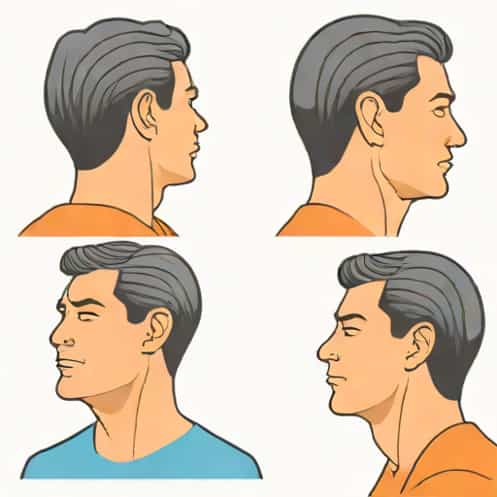
A neck hump, often referred to as a buffalo hump or dowager’s hump, is a condition where a noticeable bump forms at the base of the neck. This can result from poor posture, muscle imbalances, or underlying medical conditions such as osteoporosis, obesity, or Cushing’s syndrome. A neck hump can be both a cosmetic concern and a source of discomfort, causing tension and reduced mobility. Understanding the causes, prevention strategies, and ways to reduce its appearance through exercises, lifestyle changes, and medical guidance can help individuals regain confidence and improve overall spinal health.
What Causes a Neck Hump?
Neck humps develop for a variety of reasons, ranging from lifestyle factors to medical conditions. Identifying the underlying cause is essential for effective treatment and prevention.
Poor Posture
One of the most common causes of a neck hump is poor posture, especially from prolonged forward head position while using phones, computers, or tablets. Over time, this position can weaken the upper back muscles and cause fat deposits or bony changes that form a hump at the base of the neck.
Muscle Imbalance
Weakness in the upper back and neck muscles, combined with tight chest muscles, can pull the shoulders and spine forward, contributing to hump formation. Strengthening postural muscles while stretching tight areas is crucial for correction.
Medical Conditions
- Osteoporosis Loss of bone density can cause vertebrae to compress, resulting in a hump.
- Cushing’s syndrome Excess cortisol can lead to fat accumulation in the upper back and neck area.
- Obesity Fat deposits can accumulate at the base of the neck.
- Kyphosis Abnormal curvature of the thoracic spine can contribute to hump development.
How to Reduce a Neck Hump
Reducing a neck hump often involves a combination of exercises, lifestyle changes, and medical interventions depending on the cause and severity of the condition.
1. Correcting Posture
Improving posture is one of the most effective ways to reduce a neck hump. Proper alignment of the head, neck, and shoulders can gradually diminish the appearance of the hump.
- Practice sitting and standing with shoulders back and head aligned over the spine.
- Avoid prolonged forward head positions, especially when using phones or computers.
- Set reminders to adjust posture throughout the day.
2. Strengthening Exercises
Strengthening upper back and neck muscles can help correct imbalances and support proper posture. Regular exercise can gradually reduce hump prominence.
- Chin tucks Pull the chin gently towards the neck, hold for a few seconds, and release.
- Shoulder blade squeezes Pull shoulder blades together, hold for a few seconds, and release.
- Thoracic extension exercises Lie on a foam roller placed at the upper back and gently extend backward.
- Upper back rows using resistance bands Strengthen upper back muscles to counteract forward rounding.
3. Stretching Tight Muscles
Stretching tight chest and neck muscles can improve alignment and reduce hump formation.
- Chest stretches Stand in a doorway and gently stretch the chest muscles.
- Neck stretches Tilt the head gently from side to side and forward to release tension.
- Upper back stretches Extend arms forward while rounding the upper back to relieve tightness.
4. Lifestyle Changes
In addition to exercise and posture correction, making lifestyle adjustments can support neck hump reduction.
- Maintain a healthy weight to reduce fat deposits in the neck area.
- Use ergonomic furniture and equipment to support proper posture at work or home.
- Engage in regular physical activity to strengthen core and postural muscles.
5. Medical Interventions
In some cases, especially when a neck hump is caused by medical conditions, professional treatment may be necessary.
- Consult a doctor for conditions like osteoporosis or Cushing’s syndrome for appropriate management.
- Physical therapy can provide targeted exercises and posture training to reduce the hump.
- In severe cases, surgical options may be considered to correct spinal curvature or remove fat deposits, but this is typically a last resort.
Prevention Tips
Preventing a neck hump is easier than reversing it once it has developed. Consistent attention to posture, exercise, and lifestyle choices can reduce the risk of hump formation.
Maintain Proper Posture
Be mindful of sitting, standing, and sleeping positions to keep the spine aligned and prevent forward head posture.
Strengthen and Stretch Regularly
Incorporate exercises that strengthen the upper back, neck, and core muscles while stretching the chest and neck. This balance reduces stress on the spine and minimizes hump development.
Monitor Weight and Health
Maintaining a healthy weight and addressing medical conditions promptly can reduce fat accumulation and structural changes that contribute to neck humps.
Use Ergonomic Support
Ergonomic chairs, desks, and monitors at appropriate heights help maintain proper posture during work or study, reducing the risk of developing a neck hump.
When to Seek Professional Help
If the neck hump is painful, rapidly enlarging, or associated with other symptoms such as numbness, weakness, or spinal deformity, consult a healthcare professional. Early intervention ensures that underlying conditions are addressed and prevents further progression. A doctor or physical therapist can provide a tailored plan for reducing the hump safely and effectively.
Getting rid of a neck hump requires a multifaceted approach that includes correcting posture, strengthening weak muscles, stretching tight areas, and making lifestyle changes. For cases linked to medical conditions, professional guidance is essential. By combining exercise, proper posture habits, and preventive measures, it is possible to reduce the appearance of a neck hump, relieve discomfort, and improve overall spinal health. Consistency and patience are key, as improvements may take time, but the benefits of better posture, reduced tension, and enhanced appearance make the effort worthwhile.