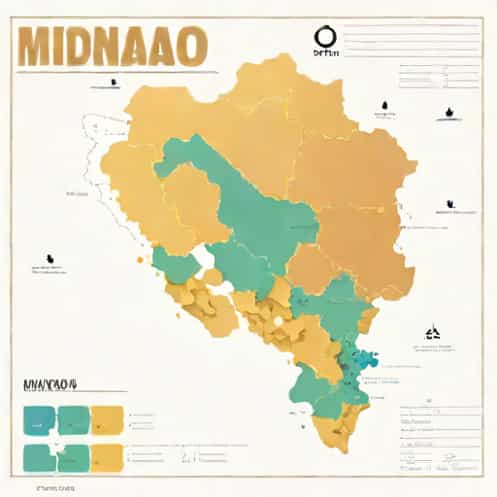
Mindanao, the second-largest island in the Philippines, is a land rich in cultural diversity, natural resources, and historical significance. Understanding its administrative and geographic divisions is essential for grasping how governance, economic planning, and social programs are structured in this part of the country. One of the most frequently asked questions is how many regions are in Mindanao? The answer is not only a numerical figure but also an exploration of the unique characteristics, governance structures, and socio-economic profiles of each region. Mindanao’s regional divisions play a vital role in organizing government services, facilitating regional development, and recognizing the distinct identities of various ethnic groups that inhabit the island.
Overview of Mindanao
Mindanao, often referred to as the Land of Promise, is located in the southern part of the Philippines and covers approximately 97,530 square kilometers. It is home to more than 25 million people, representing a wide range of ethnic groups, languages, and cultures. The island is known for its agricultural productivity, mining resources, and vibrant cities such as Davao and Cagayan de Oro. Mindanao is also characterized by its mountainous terrain, lush forests, and extensive river systems, which contribute to both opportunities and challenges for development. Governance in Mindanao is structured into regions, provinces, cities, and municipalities, each with specific administrative roles and responsibilities.
The Importance of Regional Divisions
The division of Mindanao into regions serves multiple purposes. Administratively, regions are the primary units for coordinating national government programs, economic planning, and disaster response. Regions also allow for the recognition of cultural identities, particularly in areas with significant indigenous populations and Muslim communities. By organizing governance into regions, the Philippine government can more effectively implement policies tailored to local needs, manage resources, and promote regional development initiatives. Each region has its own Regional Development Council (RDC) that plays a key role in planning and monitoring projects that impact economic growth, social welfare, and infrastructure development.
How Many Regions in Mindanao
Mindanao is divided into six regions, each with its distinct characteristics and administrative centers. These regions are Northern Mindanao (Region X), Davao Region (Region XI), Soccsksargen (Region XII), Caraga (Region XIII), Zamboanga Peninsula (Region IX), and the Bangsamoro Autonomous Region in Muslim Mindanao (BARMM). Each region comprises several provinces, cities, and municipalities, forming a framework for effective governance and service delivery. Understanding the number and composition of these regions is essential for anyone studying the geography, governance, or socio-economic dynamics of Mindanao.
Northern Mindanao (Region X)
Northern Mindanao, also known as Region X, is located in the north-central part of the island. It is composed of five provinces Bukidnon, Camiguin, Lanao del Norte, Misamis Occidental, and Misamis Oriental. The regional center is Cagayan de Oro City, which serves as the primary hub for commerce, education, and government administration. Northern Mindanao is known for its agricultural productivity, particularly in crops such as rice, corn, and pineapples. The region also has significant industrial and commercial activities, and its natural attractions, including Mount Kitanglad and the Dahilayan Adventure Park, contribute to tourism growth.
Davao Region (Region XI)
The Davao Region, or Region XI, is located in the southeastern part of Mindanao. It consists of five provinces Davao de Oro, Davao del Norte, Davao del Sur, Davao Occidental, and Davao Oriental. Davao City, the largest city in Mindanao, serves as the regional center. The Davao Region is a major economic powerhouse, known for its agricultural exports such as bananas, durian, and coconuts. The region also has growing industries in trade, commerce, and tourism. Its diverse population includes indigenous peoples, Moro communities, and settlers from other parts of the Philippines, creating a unique cultural tapestry.
Soccsksargen (Region XII)
Soccsksargen, designated as Region XII, is located in the south-central part of Mindanao. It comprises four provinces South Cotabato, Cotabato, Sultan Kudarat, and Sarangani, along with the city of General Santos. Soccsksargen is a key agricultural and fisheries region, producing high-quality fruits, vegetables, and seafood. General Santos City, known as the Tuna Capital of the Philippines, is a major economic center, contributing significantly to both local and national economies. The region also has vast natural resources and emerging infrastructure that support economic development and investment opportunities.
Caraga (Region XIII)
Caraga, or Region XIII, is located in the northeastern part of Mindanao. It consists of five provinces Agusan del Norte, Agusan del Sur, Surigao del Norte, Surigao del Sur, and Dinagat Islands. The regional center is Butuan City. Caraga is rich in natural resources, including timber, minerals, and fertile agricultural land. The region has significant mining operations and also focuses on agriculture, forestry, and fishing. Caraga’s cultural heritage, combined with its natural beauty and economic potential, makes it an important area for investment and tourism.
Zamboanga Peninsula (Region IX)
The Zamboanga Peninsula, known as Region IX, is located in the western part of Mindanao. It comprises three provinces Zamboanga del Norte, Zamboanga del Sur, and Zamboanga Sibugay, along with the highly urbanized city of Zamboanga. The region is strategically important due to its access to both the Sulu Sea and the Moro Gulf, which supports trade and fisheries. Agriculture, aquaculture, and trade are the main economic activities, while the region’s diverse cultural landscape includes various indigenous and Muslim communities.
Bangsamoro Autonomous Region in Muslim Mindanao (BARMM)
The Bangsamoro Autonomous Region in Muslim Mindanao (BARMM) is a unique administrative region with a degree of self-governance. It comprises the provinces of Basilan, Lanao del Sur, Maguindanao, Sulu, and Tawi-Tawi, as well as Cotabato City. BARMM was established to recognize the distinct cultural and religious identity of the Moro people and to provide greater autonomy in governance, education, and economic planning. The regional government has its own parliament and executive structures, allowing it to implement policies that address local needs while remaining part of the Philippine national framework.
Significance of Knowing Mindanao’s Regions
Understanding how many regions exist in Mindanao and the characteristics of each region is vital for several reasons. For government agencies, it provides a clear framework for implementing policies, allocating resources, and planning infrastructure projects. For businesses, knowledge of regional divisions helps in identifying investment opportunities, market potential, and logistical considerations. For educators and researchers, it provides context for studying demographic trends, cultural diversity, and socio-economic conditions. Additionally, for travelers and tourists, understanding the regions enhances travel planning and appreciation of Mindanao’s diverse landscapes, cultures, and experiences.
Mindanao is divided into six regions Northern Mindanao (Region X), Davao Region (Region XI), Soccsksargen (Region XII), Caraga (Region XIII), Zamboanga Peninsula (Region IX), and the Bangsamoro Autonomous Region in Muslim Mindanao (BARMM). Each region has unique characteristics, governance structures, and socio-economic profiles, reflecting the rich diversity of the island. Knowledge of these regions is essential for governance, economic planning, research, and tourism. By understanding Mindanao’s regional divisions, one gains a clearer appreciation of how the island functions administratively and culturally, and how its diverse communities contribute to the overall development of the Philippines.