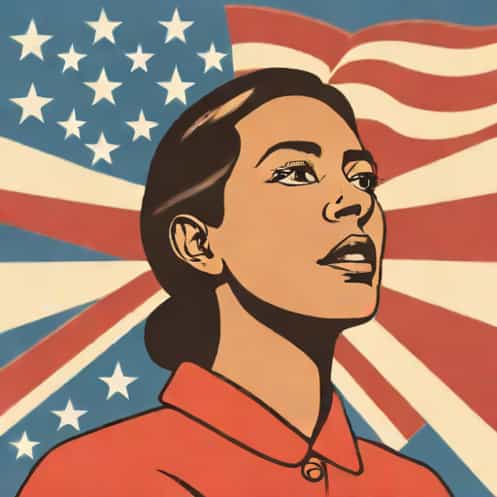
Hettie Adams is not a household name, but her connection to the national anthem has drawn growing curiosity among music historians and patriotic enthusiasts. The story of Hettie Adams and her association with the national anthem, whether through performance, historical reference, or interpretation, provides a fascinating glimpse into how ordinary individuals have contributed to the enduring legacy of one of the most recognized songs in the world The Star-Spangled Banner. While much of her life remains a mystery, the tales surrounding her role in performing or interpreting the anthem reveal broader themes of identity, national pride, and artistic expression in American history.
The Origins of the National Anthem
Before understanding Hettie Adams’s connection to the national anthem, it’s essential to revisit the roots of the song itself. The Star-Spangled Banner was penned by Francis Scott Key in 1814 after witnessing the Battle of Baltimore during the War of 1812. The poem he wrote, titled Defence of Fort M’Henry, was later set to the tune of a popular British melody, To Anacreon in Heaven. The resulting song became a symbol of resilience and national pride long before it was officially recognized as the national anthem in 1931.
Throughout the 19th and 20th centuries, the song was performed at public events, military gatherings, and ceremonies, gradually embedding itself in the American consciousness. This evolution allowed many singers and musicians both well-known and lesser-known to play roles in how the anthem was presented and perceived across generations. It is within this context that the name Hettie Adams appears, linked to regional performances or interpretations that captured the spirit of her time.
Who Was Hettie Adams?
While detailed biographical information about Hettie Adams is limited, references suggest she was an early 20th-century performer associated with patriotic events or community gatherings where the national anthem played a central role. Individuals like Adams often participated in local music programs, civic ceremonies, and educational performances, helping to popularize national symbols through song. Her work reflected the cultural environment of the period one in which community singers and performers contributed to the spread of patriotic music throughout America’s growing towns and cities.
In some accounts, Adams is described as a performer who emphasized the emotional strength of the anthem rather than its technical complexity. Her renditions were noted for being heartfelt and traditional, aligning with the patriotic tone of post-war America. Whether she sang in small venues or participated in larger civic celebrations, her performances embodied a deep respect for the anthem’s meaning.
The Importance of Local Performers in Preserving the Anthem
Figures like Hettie Adams remind us that the national anthem was not only kept alive by major stars or professional choirs but also by local performers. Before mass media, the transmission of patriotic songs depended heavily on community musicians, educators, and church choirs. These individuals, often volunteers or semi-professionals, ensured that younger generations learned both the melody and the significance of the song.
- Community EngagementLocal performances made the anthem a familiar part of everyday life, not just a ceremonial tune.
- Education and PatriotismTeachers and singers like Hettie Adams reinforced lessons about national pride and unity through music.
- Emotional ExpressionTheir performances allowed audiences to connect emotionally to historical events symbolized by the anthem’s lyrics.
In this way, the contribution of community performers was vital. They kept the anthem alive in schools, churches, and civic events long before radio and television broadcasts popularized it nationwide.
Performance Style and Musical Interpretation
Performing the national anthem is a challenge that requires both technical skill and emotional balance. Hettie Adams’s approach, based on accounts from those familiar with her era, reflected a traditional and respectful style. Unlike modern renditions that often feature vocal embellishments and dramatic arrangements, early performers focused on clarity, dignity, and accessibility. The goal was not to impress but to inspire unity and reverence among the audience.
Adams reportedly emphasized the anthem’s lyrical power, particularly the lines that reference the endurance of the American flag through battle. Her performances resonated in an age when national identity was closely tied to symbols of resilience and freedom. By maintaining a straightforward delivery, she allowed the message of the anthem to take center stage.
The Role of the National Anthem in American Identity
The national anthem has long been more than just a song; it is a symbol of unity, sacrifice, and shared values. Performers like Hettie Adams contributed to reinforcing this identity, especially during times when America faced wars, economic hardship, or social transformation. Each performance became an opportunity to remind communities of what the flag and anthem represented endurance, hope, and pride in the nation’s ideals.
In many ways, the anthem’s role mirrors the experiences of ordinary citizens. It has been sung in moments of triumph and tragedy, from school assemblies to international sports events. The simple act of singing it together binds people across generations, and those who carried this tradition even without fame or recognition played a vital role in shaping collective memory.
Hettie Adams and the Evolution of Anthem Performances
Over the decades, performances of The Star-Spangled Banner have evolved from straightforward renditions to complex vocal interpretations. From Marian Anderson’s powerful performances in the mid-20th century to Whitney Houston’s unforgettable rendition at the 1991 Super Bowl, each era has left its mark. While Hettie Adams’s time predates these famous moments, her role represents an earlier stage in this evolution when the anthem was less about individual artistry and more about shared patriotism.
Her contributions reflect a time when local culture shaped national identity. Before mass broadcasting, people like Adams performed live before small audiences who connected personally to the message of the anthem. In these intimate settings, the emotional power of the song was magnified, reminding listeners of their place within a larger national story.
Challenges Faced by Early Anthem Performers
Performers like Hettie Adams faced challenges that modern singers rarely encounter. Without amplification, they relied on vocal projection and acoustics of the venue to reach their audiences. They also had to memorize verses that many Americans today no longer sing, as The Star-Spangled Banner originally contained four stanzas. In addition, cultural and social expectations often dictated how women performed in public, meaning Adams’s role as a singer of patriotic music carried both artistic and symbolic significance.
Despite these obstacles, performers continued to spread national pride through their voices. Their commitment to precision and emotion helped establish performance traditions that endure to this day.
The Lasting Impact of Hettie Adams’s Legacy
Although Hettie Adams may not appear in mainstream historical records, her connection to the national anthem symbolizes the countless unsung individuals who helped preserve America’s musical and patriotic traditions. Every small-town performance, every community concert, and every school recital contributed to the anthem’s enduring power.
In the broader picture, Adams’s story represents the cultural backbone of American music the local performers who, without fame or recognition, shaped the way the nation experienced its most iconic songs. Her name, like many others from her time, stands as a quiet tribute to dedication, tradition, and the love of country expressed through music.
The story of Hettie Adams and her connection to the national anthem offers a reminder that patriotism is often carried by everyday individuals rather than celebrities or politicians. Through her performances, she helped strengthen the emotional and cultural connection between the American people and their national song. Her legacy illustrates that music is not just about melody or fame it is about meaning, unity, and the shared experiences that define a nation. Whether sung in grand stadiums or small community halls, The Star-Spangled Banner endures because of performers like Hettie Adams, whose voices echoed the pride and perseverance of an entire country.