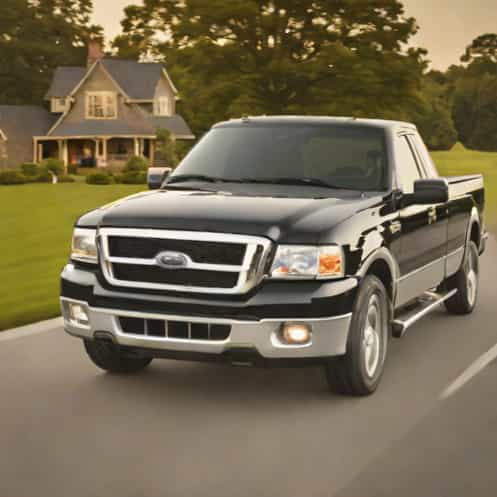
The Ford F-150 Lightning was once hailed as the future of electric pickup trucks, combining Ford’s best-selling vehicle with cutting-edge EV technology. It launched to immense anticipation, with early demand exceeding supply. However, recent trends have shown that Ford Lightning sales have plummeted, raising questions about what went wrong. From pricing challenges to consumer hesitancy, several factors have contributed to this dramatic shift in the market. Understanding why sales have dropped helps to reveal the complex balance between innovation, consumer trust, and economic reality in the electric vehicle landscape.
Overview of the Ford Lightning
The Ford F-150 Lightning was introduced as an all-electric version of America’s best-selling truck. It promised to deliver powerful performance, advanced technology, and zero emissions. With a dual-motor setup producing up to 580 horsepower and a towing capacity of up to 10,000 pounds, the Lightning seemed poised to dominate the EV pickup sector. Moreover, its ability to serve as a backup power source for homes during outages made it appealing to tech-savvy buyers and eco-conscious families alike.
Initially, Ford received overwhelming interest. Reservations flooded in, and early reviews praised its quiet ride and impressive acceleration. Yet, despite the promising start, the excitement did not translate into sustained sales growth. Over time, dealership lots began to fill up again as consumer interest waned.
Reasons Behind the Decline in Sales
High Price Points
One of the main reasons Ford Lightning sales plummeted is the rising cost. When it was first announced, the Lightning had a base price under $40,000, making it an attractive option for those looking to switch to an EV without breaking the bank. However, after production challenges and inflation, the price climbed substantially. Some models now exceed $70,000, putting them out of reach for many buyers.
As the price gap between the Lightning and traditional gas-powered F-150 models widened, potential customers began to reconsider whether the EV benefits justified the cost. Competitors like Rivian, Tesla, and even Chevrolet began offering more competitive options, adding further pressure on Ford’s pricing strategy.
Consumer Skepticism Toward Electric Trucks
While electric vehicles have gained popularity, the idea of an electric pickup truck still faces skepticism. Many truck owners rely on their vehicles for towing, long drives, and off-road performance tasks that can drain an EV battery quickly. Range anxiety remains a significant issue, especially in rural areas where charging infrastructure is limited.
Some drivers also worry about how EVs perform in cold weather or under heavy workloads. The Lightning’s range can drop significantly when towing or in low temperatures, reducing practicality for those who use trucks for demanding tasks.
Supply Chain and Production Challenges
Another major factor contributing to the drop in Ford Lightning sales is the company’s ongoing production struggles. Global supply chain disruptions, particularly the shortage of semiconductors and EV battery components, have slowed manufacturing. This has made it difficult for Ford to meet initial expectations and keep production costs low.
Even as production resumed, delays and inconsistent delivery schedules discouraged some early adopters. Customers who had placed orders months in advance grew frustrated with long wait times or cancellations, damaging Ford’s reputation for reliability.
Competition in the EV Truck Market
The electric truck segment has become more crowded. When Ford launched the Lightning, it had few direct rivals. But now, vehicles like the Tesla Cybertruck, Rivian R1T, and Chevrolet Silverado EV have joined the race. Each offers unique features and competitive pricing, drawing attention away from Ford’s model.
Moreover, some competitors focus on lifestyle and luxury buyers, while others target traditional truck users. This variety gives consumers more choices, weakening the Lightning’s once-dominant position. Ford has struggled to maintain its early lead as newer models promise longer ranges, faster charging, and more futuristic designs.
Economic Factors Affecting Demand
Inflation and Rising Interest Rates
The broader economic environment has also played a significant role in the Ford Lightning’s sales decline. Inflation has driven up prices for both vehicles and household goods, leading consumers to cut back on big purchases. High interest rates have made auto loans more expensive, discouraging potential buyers from financing an expensive electric truck.
Even those who remain interested in EVs are looking for more affordable options. Compact EVs and hybrids are gaining popularity, while high-end electric trucks are seen as luxury items that can be postponed in uncertain economic times.
Government Incentives and EV Policies
Government incentives have a major influence on EV sales. However, not all versions of the Ford Lightning qualify for full tax credits under recent regulations. As incentives shift toward domestically produced batteries or specific price limits, some customers find that their desired Lightning configuration no longer receives a rebate. This change has further reduced consumer motivation to purchase.
Ford’s Response to Declining Sales
Adjusting Production and Pricing
In response to slow sales, Ford has adjusted its production strategy for the Lightning. Reports indicate the company is scaling back output and shifting focus toward more affordable EVs. Ford executives have acknowledged that the high price point and slowing demand require a strategic rethink.
Additionally, Ford has begun offering discounts and promotional financing to stimulate sales. These incentives may help move existing inventory, but long-term success will depend on reducing manufacturing costs and improving efficiency.
Expanding Charging Infrastructure
Ford continues to invest in expanding its charging network through partnerships with third-party providers. Access to reliable charging is one of the biggest hurdles for EV adoption. By improving convenience and range confidence, Ford hopes to make the Lightning more appealing to everyday users.
Future Electric Vehicle Plans
Despite the Lightning’s current struggles, Ford remains committed to electrification. The company has announced plans to release more EV models across its lineup, including smaller and more affordable options. These future vehicles will benefit from lessons learned through the Lightning’s market experience.
Ford also plans to enhance battery technology to improve energy density and reduce charging times. As battery production becomes more cost-effective, the price of electric vehicles like the Lightning could drop, reviving consumer interest.
Public Perception and the Road Ahead
Public opinion about the Ford Lightning is mixed. While some owners praise its performance and modern features, others express disappointment with its real-world range and price. Social media discussions and consumer reports reflect both enthusiasm and frustration. Ford’s challenge now lies in rebuilding momentum by addressing these criticisms and aligning the Lightning with consumer needs.
The plummeting sales do not necessarily mean the end of Ford’s electric ambitions. Instead, they highlight the growing pains of transitioning a legacy automaker into a competitive EV producer. If Ford can lower prices, improve battery efficiency, and strengthen consumer trust, the Lightning may yet reclaim its position as a symbol of innovation.
The Ford Lightning’s sales decline offers valuable insight into the challenges of the electric vehicle revolution. High prices, market competition, and economic pressures have all played a role, but Ford’s willingness to adapt may shape the future of its EV strategy. While sales may have plummeted for now, the lessons learned from this downturn could help Ford refine its approach and strengthen its next generation of electric vehicles. The story of the Ford Lightning is still unfolding one that reflects both the promise and the reality of the EV transition.