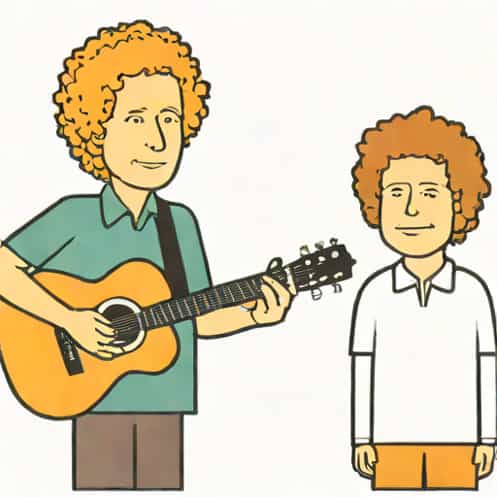
Among the many timeless songs written by Simon and Garfunkel, Fakin’ It stands out as a curious yet compelling track that captures the duo’s creative experimentation during the late 1960s. It is both playful and introspective, combining a folk sensibility with the growing influence of psychedelic rock and studio innovation. Released as a single in 1967, Fakin’ It reflected not only the changing musical landscape of its time but also the evolving artistry of Paul Simon as a songwriter. Understanding the meaning and impact of Fakin’ It gives a fascinating glimpse into the mindset of the era and the duo’s contribution to American music.
Background and Context
Simon and Garfunkel were already established as one of the most successful folk-rock duos in America by the time Fakin’ It was released. After hits like The Sound of Silence and Mrs. Robinson, they were seen as poets of their generation. The 1960s were years of social change, uncertainty, and cultural rebellion, and the song Fakin’ It fits perfectly within that atmosphere. The track was part of the sessions for their albumBookends, which was released in 1968, and represented one of their most ambitious and experimental works up to that point.
Unlike their earlier folk-oriented songs, Fakin’ It was layered with complex production techniques. It made use of sound effects, abrupt changes in rhythm, and spoken-word segments-elements that were becoming popular in the late 1960s thanks to advancements in recording technology and the rise of psychedelic music. The result was a song that was both introspective and self-aware, mirroring Paul Simon’s own struggles with creativity and authenticity in a rapidly changing world.
Lyrics and Meaning
The title Fakin’ It suggests a theme of pretending, insecurity, or self-doubt. Throughout the song, the narrator wrestles with the idea of authenticity, wondering if he truly belongs in his role or if he is merely faking it. This concept was deeply personal to Simon, who often questioned his place in the music industry despite his success. The lyrics open with a questioning tone
When she goes, she’s gone. If she stays, she stays here.
This ambiguity immediately sets the mood of uncertainty. The singer is caught between confidence and self-questioning, between being an artist and feeling like an impostor. The chorus line-Fakin’ it, I’m not really makin’ it-is both catchy and revealing, emphasizing the internal conflict of the songwriter who is unsure of his worth despite outward appearances.
The Concept of Identity in the Song
One of the most interesting parts of the song comes in the spoken-word interlude, where the narrator imagines himself as Mr. Bellemy, a tailor from the 18th century. This surreal moment acts as both a daydream and a metaphor for alternate identities. Simon uses this device to explore what life might be like if he were someone else-someone with a simpler, more tangible profession. It’s a clever contrast to the uncertainties of being an artist in the modern world.
This blending of imagination and self-reflection was typical of Simon’s writing during this period. He often used everyday imagery to address deeper psychological questions, and Fakin’ It shows this technique in full form. The song becomes a portrait of creative doubt, where even success doesn’t guarantee a sense of belonging.
Musical Composition and Style
Musically, Fakin’ It is an example of Simon and Garfunkel’s shift toward more experimental arrangements. The track features a distinctive rhythmic structure and an unconventional tempo that adds to its introspective mood. The use of layered vocal harmonies, a trademark of the duo, gives the song an ethereal quality while maintaining a grounded folk rhythm underneath.
The song’s production, handled by Roy Halee, includes innovative recording techniques for its time. The use of echo effects and the insertion of non-musical sounds enhance the surreal quality of the song. The combination of these elements creates a soundscape that is both organic and futuristic, mirroring the themes of uncertainty and transformation found in the lyrics.
Instrumentation and Arrangement
Fakin’ It includes a mix of acoustic and electric instrumentation. The acoustic guitar gives the song a folk foundation, while the electric bass and percussion add a modern, almost experimental touch. This blend of sounds exemplifies how Simon and Garfunkel were bridging the gap between folk tradition and contemporary rock innovation.
- Acoustic guitarProvides rhythm and warmth to the track.
- Electric bassAdds depth and movement, creating contrast with the folk elements.
- Vocal harmoniesGarfunkel’s delicate harmonies complement Simon’s introspective tone.
- Sound effectsUsed creatively to add atmosphere and narrative texture.
The combination of these elements gives Fakin’ It a unique identity. It feels grounded yet dreamlike, making it one of the duo’s most underrated works in their discography.
Reception and Legacy
When Fakin’ It was first released as a single in 1967, it did not reach the same chart success as The Sound of Silence or Mrs. Robinson. However, it received praise from critics for its originality and depth. Over time, the song has come to be appreciated as a transitional piece that reflects Simon and Garfunkel’s artistic growth leading into theBookendsandBridge Over Troubled Waterera.
Many fans now see Fakin’ It as a symbol of Paul Simon’s willingness to take risks and question himself creatively. The track’s themes of doubt and identity resonate strongly even today, as artists in all fields continue to struggle with the same feelings of authenticity and self-worth. It also showcases the duo’s skill in blending poetic lyricism with technical innovation-something that few groups of their era managed so seamlessly.
Modern Interpretations
Modern listeners often interpret Fakin’ It as a reflection of imposter syndrome-a term that wasn’t widely used in the 1960s but perfectly captures the emotion behind the song. The feeling of not being good enough, despite external success, is a timeless experience that continues to connect new generations with Simon’s words.
Additionally, the song’s structure and tone have influenced many later artists who explore similar themes. Its self-aware narrative style paved the way for introspective singer-songwriters in the decades that followed, from the 1970s folk revival to the indie music scene of the 2000s.
Why Fakin’ It Still Matters
Fakin’ It by Simon and Garfunkel remains one of the most intriguing pieces in their catalog. It’s a song that captures both the creativity and the anxiety of being an artist in an era of rapid change. Its lyrical honesty, innovative sound design, and reflective tone make it more than just a product of the 1960s-it’s a timeless exploration of what it means to question one’s place in the world.
Listening to Fakin’ It today, one can still hear the mix of humor, intelligence, and vulnerability that defined Simon and Garfunkel’s music. It’s a reminder that even the most successful artists sometimes wonder if they’re really making it, and that honesty may be what makes their work so enduring. Through its thoughtful lyrics and inventive sound, Fakin’ It continues to stand as a brilliant example of how uncertainty and artistry often walk hand in hand.