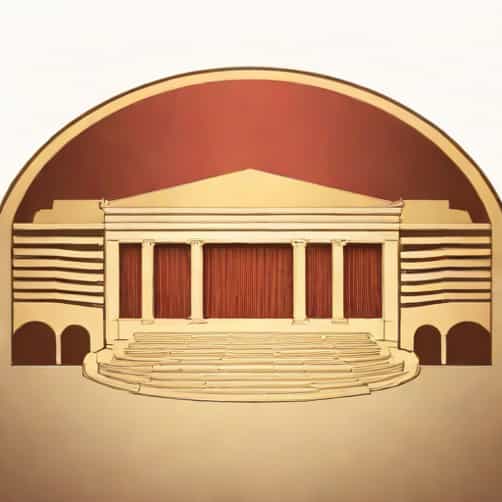
The East Pyongyang Grand Theatre is one of the most iconic cultural landmarks in North Korea, reflecting the country’s commitment to arts and performance. Located in the heart of Pyongyang, the theatre serves as a central hub for various artistic activities, including operas, ballets, concerts, and national celebrations. Its architecture combines traditional Korean elements with modern design, creating a structure that is both grand and functional. Visitors and locals alike are drawn to the theatre for its impressive performances and the cultural prestige it holds in the nation. The venue has become a symbol of Pyongyang’s dedication to preserving and promoting performing arts, while also offering a window into North Korean cultural life for international observers.
Historical Background
The East Pyongyang Grand Theatre was constructed to provide a premier space for theatrical and musical performances in North Korea. Since its opening, it has hosted countless events that range from state-organized performances to public entertainment shows. The theatre was designed during a period when the government sought to expand cultural facilities in Pyongyang, ensuring that the arts had a prominent platform in the city. Over the decades, it has become one of the key venues where the nation’s most talented performers showcase their skills. The building itself represents the ambition of North Korea to merge cultural pride with modern infrastructure.
Architectural Features
The architecture of the East Pyongyang Grand Theatre is notable for its combination of traditional Korean motifs with contemporary construction techniques. The exterior features grand columns and sweeping rooflines that draw inspiration from classical Korean palaces, while the interior is equipped with modern lighting, sound systems, and stage technology. The main auditorium is spacious, designed to accommodate large audiences while ensuring optimal sightlines and acoustics. Decorative elements inside the theatre include murals, intricate woodwork, and detailed ceilings that reflect Korean cultural heritage. The theatre’s design not only emphasizes aesthetics but also functionality, allowing for versatile performances ranging from intimate recitals to large-scale productions.
Performances and Programs
The East Pyongyang Grand Theatre hosts a wide variety of performances, making it a central hub for the performing arts in the city. Operas and ballets are particularly popular, often featuring traditional Korean themes and stories. Classical music concerts, featuring both domestic and international compositions, are frequently held in the theatre, showcasing the technical skills of North Korean musicians. Additionally, the theatre hosts national celebrations, special commemorative performances, and cultural festivals that highlight the country’s heritage.
- Opera and BalletThe theatre is renowned for staging both traditional Korean operas and Western-style ballets adapted to local cultural narratives.
- ConcertsMusicians perform a mix of classical, contemporary, and folk music, often accompanied by elaborate stage sets.
- Cultural FestivalsNational holidays and commemorative events are celebrated with large-scale productions at the theatre.
- Theatrical ShowsDrama performances with historical or patriotic themes are common, reflecting North Korea’s cultural storytelling traditions.
Significance in North Korean Culture
The East Pyongyang Grand Theatre holds a unique position in North Korean society. It serves not only as a venue for entertainment but also as a space for promoting state-approved cultural narratives. Performances often emphasize themes of national pride, historical achievements, and traditional values. The theatre helps cultivate an appreciation for the arts among citizens, particularly by providing exposure to high-quality performances that might otherwise be inaccessible. It also plays a role in cultural diplomacy when foreign guests are invited to attend special events, demonstrating North Korea’s commitment to showcasing its artistic achievements to the world.
Visiting the Theatre
For visitors to Pyongyang, the East Pyongyang Grand Theatre is a notable destination, offering insight into the city’s cultural life. While access may be regulated and typically organized through guided tours, attending a performance can provide a memorable experience. The theatre’s large seating capacity and comfortable interior make it suitable for long shows, and the performances themselves are often elaborate, with detailed costumes, choreography, and stage effects. Observing a performance at the theatre allows visitors to appreciate both the artistic skill of the performers and the cultural significance of the venue itself.
Impact on Performing Arts Education
The theatre also plays a role in supporting the development of performing arts in North Korea. By providing a professional platform for artists, it encourages young performers to pursue careers in music, dance, and theatre. Local schools and academies often collaborate with the theatre to give students exposure to high-level productions. This connection between education and professional performance helps sustain a vibrant arts community in Pyongyang, ensuring that traditional and contemporary art forms continue to flourish. Through workshops, rehearsals, and mentorship programs, the theatre contributes significantly to cultivating the next generation of North Korean artists.
The East Pyongyang Grand Theatre stands as a testament to North Korea’s dedication to preserving and promoting the performing arts. Its combination of striking architecture, diverse performances, and cultural significance makes it one of the most important venues in Pyongyang. Beyond entertainment, the theatre serves as a symbol of national pride, education, and artistic achievement. Whether for locals attending a performance or visitors observing the city’s cultural life, the theatre offers a unique glimpse into North Korea’s rich artistic traditions. By continuing to host a wide range of events, the East Pyongyang Grand Theatre remains a central pillar of cultural expression and a key landmark in the capital city.