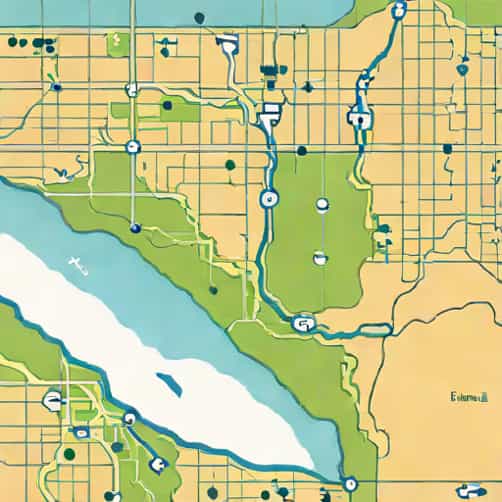
Located in the northwestern region of Ohio, east of Chicago, Fremont is a city rich in history, culture, and community spirit. Often overshadowed by larger cities like Cleveland or Toledo, Fremont offers a unique blend of small-town charm and historical significance, making it a notable destination for visitors exploring the region. Its proximity to major urban centers, combined with a strong sense of local identity, has shaped Fremont into a community that values heritage, outdoor recreation, and economic development. Understanding the location, attractions, and history of Fremont provides insight into why this Ohio city remains a distinctive spot in the Midwest landscape.
Geographic Location
Fremont, Ohio, is situated approximately 180 miles east of Chicago, making it accessible for travelers coming from Illinois or other parts of the Midwest. It lies within Sandusky County and serves as the county seat. The city is positioned along the Sandusky River, which historically played a significant role in trade and transportation. Fremont’s central location in northwestern Ohio connects it to major highways such as U.S. Route 20 and State Route 53, facilitating both commerce and tourism. This strategic placement also provides residents and visitors with convenient access to surrounding cities and recreational areas.
Proximity to Chicago and Surrounding Areas
Being east of Chicago, Fremont is roughly a three to four-hour drive depending on traffic, making it a feasible destination for weekend trips or short excursions. Its location allows for easy access to both urban amenities and rural landscapes. Nearby cities like Toledo and Sandusky provide additional cultural, recreational, and shopping opportunities, while the proximity to Lake Erie opens doors to boating, fishing, and beach activities. This balance between accessibility and local charm is one of the reasons Fremont is appealing to visitors and residents alike.
Historical Significance
Fremont has a rich history that dates back to the early 19th century. Originally known as Lower Sandusky, the city was renamed Fremont in 1849 in honor of John C. Fremont, an American explorer and political figure. Fremont’s history is deeply intertwined with the Underground Railroad, the expansion of the railroads, and the growth of industry in Ohio. The city has preserved several historic buildings and sites that reflect its 19th-century heritage, making it an attractive destination for history enthusiasts.
Historic Landmarks
Several landmarks highlight Fremont’s historical significance. One notable site is the Rutherford B. Hayes Presidential Library and Museums. Rutherford B. Hayes, the 19th president of the United States, lived in Fremont, and his estate has been preserved as a museum complex. Visitors can explore the home, library, and surrounding grounds to gain insight into Hayes’ life and the broader historical context of the era. In addition, Fremont’s historic downtown district features buildings with unique architectural styles, reflecting the city’s evolution over the decades.
Local Culture and Community
Fremont fosters a strong sense of community through cultural events, festivals, and recreational activities. Residents take pride in their local traditions, which include seasonal festivals, farmers’ markets, and community gatherings. These events not only bring people together but also attract visitors from neighboring towns and cities. The city’s cultural landscape reflects a blend of Midwestern values, historical appreciation, and contemporary arts, offering something for everyone.
Annual Events
Fremont hosts a variety of annual events that celebrate its heritage and community spirit. The Sandusky County Fair, held every summer, features agricultural exhibitions, live entertainment, and traditional fair activities. Another popular event is the Hayes Presidential Days, which honors the legacy of President Rutherford B. Hayes with reenactments, tours, and educational programs. These events provide both entertainment and educational value, highlighting the city’s unique identity and historical roots.
Recreation and Outdoor Activities
For outdoor enthusiasts, Fremont offers a range of recreational opportunities. The city is home to several parks, nature trails, and riverfront areas that are perfect for walking, biking, fishing, and picnicking. The Sandusky River is a focal point for boating and kayaking, offering scenic views and opportunities for relaxation. Additionally, nearby state parks and conservation areas provide options for camping, wildlife observation, and hiking, making Fremont a convenient base for exploring northwestern Ohio’s natural beauty.
Parks and Nature Areas
- Fremont City Park – A central green space with playgrounds, walking paths, and community event areas.
- Sandusky River Trail – Ideal for biking, jogging, and nature walks along the riverbank.
- Heimlich Park – A local park offering sports facilities, picnic areas, and seasonal events.
- Nearby state parks – Such as Kelleys Island and Lakeside State Park, providing outdoor adventures and lake activities.
Economic and Educational Opportunities
Fremont’s economy is diverse, with sectors including manufacturing, healthcare, education, and retail. The city has actively worked to attract businesses and promote local entrepreneurship, providing employment opportunities for residents. Educational institutions, including public schools and vocational programs, support the development of a skilled workforce. Fremont also benefits from its proximity to larger urban centers, allowing residents access to additional career and educational opportunities within a reasonable commute.
Local Businesses and Industry
Several local businesses contribute to Fremont’s economy, ranging from family-owned shops to larger manufacturing companies. The city has a strong industrial heritage, and modern Fremont continues to host manufacturing and distribution centers. Retail establishments, restaurants, and service providers complement the industrial sector, creating a balanced and resilient local economy.
Travel and Accessibility
Traveling to Fremont is straightforward due to its central location in northwestern Ohio. Interstate highways, state routes, and regional airports connect the city to Chicago, Cleveland, Toledo, and other major cities. Public transportation options are limited, but the road network makes driving convenient for residents and visitors. Fremont’s accessibility is one of its strengths, enabling both tourism and business development.
Nearby Attractions
Visitors to Fremont can easily explore nearby attractions, enhancing the city’s appeal as a travel destination. These include
- Lake Erie beaches – Ideal for summer recreation and water sports.
- Historic Toledo – Offering museums, cultural events, and urban amenities.
- Sandusky amusement parks – Family-friendly entertainment options within a short drive.
- Local wineries and breweries – Showcasing regional flavors and hospitality.
Fremont, Ohio, located east of Chicago, offers a unique combination of historical significance, community spirit, and accessibility. From its role in American history to its recreational opportunities and cultural events, the city provides a rich experience for residents and visitors alike. Its proximity to major urban centers, combined with local charm and natural beauty, makes Fremont an appealing destination in northwestern Ohio. Understanding the city’s geography, heritage, and lifestyle highlights why Fremont continues to be an important and distinctive part of the region. Whether exploring its parks, historic landmarks, or community events, Fremont demonstrates the enduring appeal of a small Midwestern city with deep roots and a welcoming atmosphere.
Overall, east of Chicago, Fremont represents more than just a point on the map. It is a city where history, community, and natural beauty converge, offering opportunities for education, recreation, and cultural enrichment. Visitors and residents alike can enjoy the blend of small-town charm, historical landmarks, and modern amenities that define Fremont, making it a noteworthy location in Ohio’s diverse landscape.