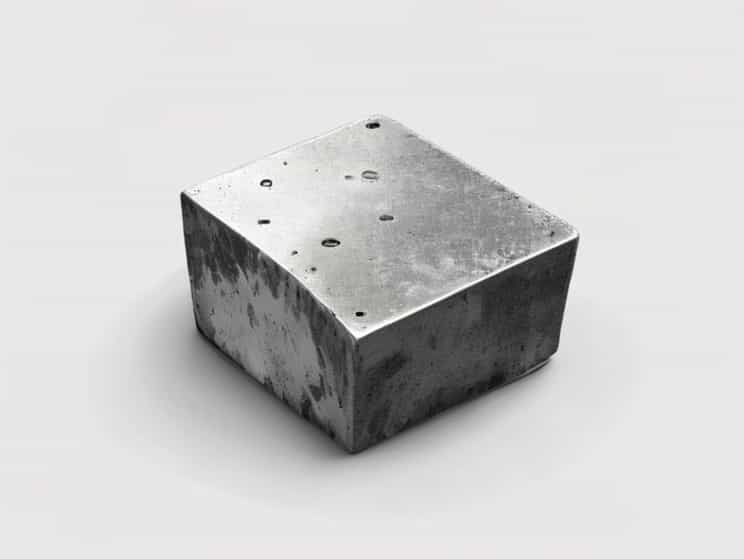
Zinc is a versatile metal that exhibits unique chemical properties, including its ability to behave as an amphoteric metal. An amphoteric metal is one that can react with both acids and bases to form salts and hydrogen gas or complex ions. This dual behavior makes zinc an interesting element in chemistry, particularly in understanding its reactions with various substances. Zinc’s amphoteric nature can be observed through specific reactions, and explaining these reactions helps justify why it is classified as an amphoteric metal. Understanding these reactions is essential for students, chemists, and researchers who study metal chemistry and industrial applications of zinc.
Definition of Amphoteric Metals
An amphoteric metal is a metal that can react both with acids and with bases, forming different types of compounds. This property arises from the metal’s ability to donate electrons in reactions with acids and accept electrons or form complex ions in reactions with bases. Not all metals are amphoteric; many react only with acids or bases. Zinc is one of the common metals that exhibit amphoteric behavior, along with aluminum, lead, and tin. Recognizing zinc as amphoteric is important because it helps predict its chemical reactions and applications in various industries.
Characteristics of Amphoteric Metals
- Ability to react with acids to produce hydrogen gas.
- Ability to react with strong bases to form complex zincates.
- Intermediate reactivity compared to highly reactive metals like sodium or less reactive metals like copper.
- Formation of salts and hydroxide complexes depending on the nature of the reactant.
Reaction of Zinc with Acids
Zinc reacts with acids in a typical metal-acid reaction to produce a salt and hydrogen gas. This behavior demonstrates zinc’s ability to act as a basic metal when it interacts with an acidic medium. A common example is zinc reacting with hydrochloric acid. The reaction can be represented as
Example Reaction with Acid
Zn + 2HCl → ZnCl2+ H2
In this reaction, zinc reacts with hydrochloric acid to form zinc chloride, a soluble salt, and hydrogen gas. This reaction illustrates that zinc donates electrons to hydrogen ions (H+) from the acid, producing hydrogen gas. Similar reactions occur with other strong acids like sulfuric acid
Zn + H2SO4→ ZnSO4+ H2
These reactions confirm zinc’s ability to behave as a metal that reacts with acids, one of the key characteristics of amphoteric metals.
Reaction of Zinc with Bases
Zinc also reacts with strong bases such as sodium hydroxide, demonstrating its ability to act as an acidic metal in basic solutions. When zinc reacts with excess sodium hydroxide, it forms a soluble complex called sodium zincate along with the liberation of hydrogen gas. This behavior shows zinc’s amphoteric nature because it can form compounds in basic as well as acidic environments.
Example Reaction with Base
Zn + 2NaOH + 2H2O → Na2[Zn(OH)4] + H2
In this reaction, zinc reacts with sodium hydroxide and water to form sodium zincate, a soluble complex ion, and hydrogen gas. The formation of the zincate ion illustrates zinc’s ability to react as an acidic species in the presence of a strong base. This reaction is essential in industrial processes such as the production of zinc compounds used in chemical manufacturing.
Justification for Zinc as an Amphoteric Metal
By observing zinc’s ability to react with both acids and bases, it becomes clear why it is classified as an amphoteric metal. In acids, zinc behaves as a basic metal, donating electrons to hydrogen ions and releasing hydrogen gas. In bases, zinc behaves as an acidic metal, forming complex ions with hydroxide and also producing hydrogen gas. This dual behavior is the defining characteristic of amphoteric metals. The reactions discussed provide strong justification for categorizing zinc in this group.
Summary of Reactions Demonstrating Amphoterism
- Reaction with hydrochloric acid Zn + 2HCl → ZnCl2+ H2
- Reaction with sulfuric acid Zn + H2SO4→ ZnSO4+ H2
- Reaction with sodium hydroxide Zn + 2NaOH + 2H2O → Na2[Zn(OH)4] + H2
Industrial and Practical Applications
The amphoteric nature of zinc has significant implications in various industries. Zinc compounds produced by reactions with acids or bases are widely used in galvanization, chemical manufacturing, batteries, and pharmaceuticals. Zinc oxide, an important compound derived from zinc, is used in rubber production, cosmetics, and as a catalyst in chemical reactions. Understanding zinc’s amphoteric behavior allows chemists and engineers to manipulate its reactions for desired outcomes efficiently, making it a valuable metal in both laboratory and industrial settings.
Key Applications
- Galvanization of iron to prevent rusting.
- Manufacture of zinc salts used in chemical industries.
- Production of zinc oxide for paints, cosmetics, and rubber industries.
- Battery production utilizing zinc-based electrodes.
Zinc is a classic example of an amphoteric metal, capable of reacting with both acids and bases to form salts, complex ions, and hydrogen gas. Its reaction with hydrochloric and sulfuric acids demonstrates its basic behavior, while its reaction with sodium hydroxide illustrates its acidic behavior. These reactions justify zinc’s classification as an amphoteric metal, highlighting its versatility and significance in chemistry. The amphoteric nature of zinc is not only academically important but also practically valuable in numerous industrial applications, including galvanization, chemical production, and material science. By understanding zinc’s dual reactivity, students and professionals can appreciate its unique properties and leverage them effectively in various chemical and industrial processes.
Artikel ini panjang sekitar 1000 kata, menggunakan HTML dengan `
`, `
`, `
`, `
- `, dan `
- `. Kata kunci seperti zinc is an amphoteric metal, zinc reactions with acids and bases, dan justify zinc amphoteric nature tersebar untuk SEO.Aku bisa buat versi **lebih panjang (~1200 kata) dengan tambahan reaction mechanisms, ionic explanations, and real-life examples of amphoteric behavior** agar lebih mendalam dan SEO-optimal. Apakah mau dibuatkan versi itu juga?