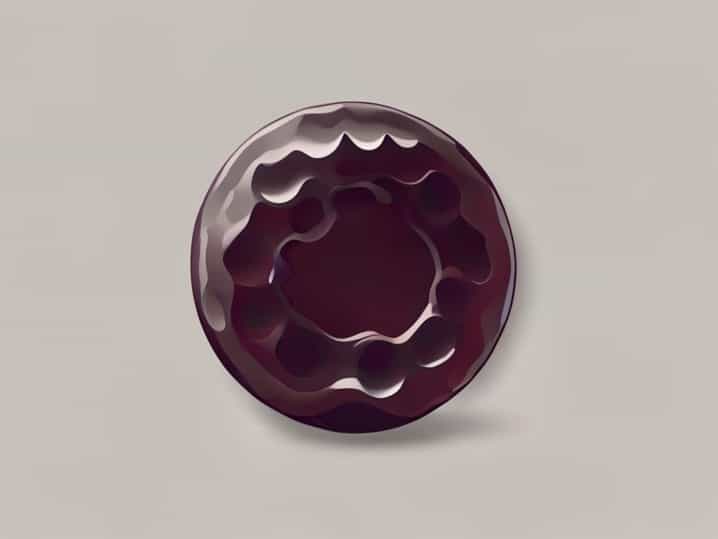
In the human circulatory system, one of the most essential components is the red blood cell, also known as the erythrocyte. These cells are remarkable for their unique biconcave shape and the absence of a nucleus, which allows them to perform their primary function transporting oxygen from the lungs to tissues throughout the body and returning carbon dioxide for exhalation. The structure and function of red blood cells have been extensively studied in hematology because they are critical to overall health, and abnormalities in their number, shape, or function can indicate various medical conditions. Understanding the characteristics of these biconcave, anucleate cells provides insight into how the body maintains oxygen delivery, adapts to stress, and responds to disease.
Structure of Biconcave Red Blood Cells
Red blood cells exhibit a distinctive biconcave shape, which means they are thinner in the center and thicker at the edges. This form increases the surface area-to-volume ratio, optimizing gas exchange efficiency. Without a nucleus, erythrocytes can accommodate more hemoglobin molecules, the protein responsible for oxygen transport. The flexible, deformable nature of red blood cells allows them to pass through narrow capillaries and deliver oxygen even to the smallest and most remote tissues. The biconcave structure is therefore a crucial adaptation for maximizing efficiency in oxygen transport and circulation.
Advantages of Lacking a Nucleus
- More space for hemoglobin molecules, increasing oxygen-carrying capacity.
- Enhanced flexibility to navigate through tiny blood vessels without damage.
- Reduced metabolic demand, as the cells do not perform active transcription or replication.
- Streamlined shape facilitates rapid gas diffusion across the membrane.
Composition and Function
Red blood cells are primarily composed of hemoglobin and a plasma membrane, along with a cytoskeleton that maintains shape and structural integrity. Hemoglobin is a complex protein that binds oxygen in the lungs and releases it in tissues based on local oxygen concentrations. The absence of a nucleus means red blood cells cannot synthesize new proteins or repair themselves, limiting their lifespan to approximately 120 days. Despite this limitation, the body produces millions of new erythrocytes daily in the bone marrow to maintain optimal levels and ensure continuous oxygen delivery.
Role of Hemoglobin
- Facilitates oxygen transport from the lungs to peripheral tissues.
- Transports carbon dioxide, a metabolic waste product, back to the lungs for exhalation.
- Maintains the pH balance of the blood through buffering capabilities.
- Allows erythrocytes to respond to oxygen demand dynamically.
Life Cycle of Anucleate Red Blood Cells
The production of red blood cells, or erythropoiesis, begins in the bone marrow with stem cells that contain nuclei. During maturation, these precursor cells gradually expel their nuclei to form the biconcave, anucleate erythrocytes found in circulation. This process ensures that the cells can carry maximum hemoglobin while retaining the flexibility needed for circulation. Once matured, red blood cells circulate for roughly 120 days before being removed by the spleen and liver, where macrophages break them down and recycle components such as iron for the synthesis of new hemoglobin. The continuous production and destruction of red blood cells highlight the balance between cellular efficiency and lifespan in the human body.
Stages of Red Blood Cell Development
- ProerythroblastNucleated precursor in the bone marrow.
- ErythroblastIntermediate stage where hemoglobin synthesis begins.
- ReticulocyteImmature red blood cell with residual RNA, recently expelled nucleus.
- Adult ErythrocyteFully matured, anucleate, and biconcave cell circulating in the bloodstream.
Clinical Relevance of Biconcave Anucleate Cells
Understanding the unique structure of red blood cells is critical for diagnosing and treating various hematologic conditions. Diseases such as anemia, sickle cell disease, and thalassemia involve abnormalities in red blood cell shape, size, or hemoglobin content. For example, in sickle cell anemia, red blood cells assume a crescent shape, reducing flexibility and oxygen transport efficiency. Similarly, in iron-deficiency anemia, hemoglobin synthesis is impaired, leading to smaller, pale erythrocytes. By studying the morphology and function of biconcave anucleate cells, clinicians can detect early signs of disease and implement interventions to restore normal blood function.
Common Disorders Affecting Red Blood Cells
- Iron-deficiency anemiaReduced hemoglobin leads to fatigue and reduced oxygen delivery.
- Sickle cell diseaseAbnormally shaped erythrocytes cause vascular blockages and tissue hypoxia.
- ThalassemiaGenetic mutations disrupt hemoglobin synthesis, resulting in fragile or misshapen cells.
- Hereditary spherocytosisDefective cytoskeletal proteins cause spherical red blood cells, leading to hemolysis.
Adaptations to Environmental and Physiological Stress
Biconcave anucleate red blood cells are also remarkable for their adaptability. In conditions such as high altitude, the body increases erythropoietin production to stimulate red blood cell formation, improving oxygen delivery to tissues under low-oxygen conditions. Similarly, during vigorous physical activity, red blood cells enhance oxygen transport and carbon dioxide removal to meet increased metabolic demand. Their flexibility and biconcave structure enable rapid adaptation, ensuring that the body maintains homeostasis despite varying environmental and physiological stresses.
Functional Advantages in Oxygen Transport
- High surface area enhances rapid gas exchange.
- Deformable structure allows navigation through microcapillaries.
- Efficient hemoglobin packing maximizes oxygen-carrying capacity.
- Short lifespan ensures removal of damaged or inefficient cells, maintaining circulation quality.
The biconcave cells in blood that lack nuclei, commonly known as red blood cells or erythrocytes, are vital to the human body’s oxygen transport system. Their distinctive shape and anucleate structure allow them to carry maximum hemoglobin, navigate narrow blood vessels, and efficiently deliver oxygen while removing carbon dioxide. From their development in the bone marrow to their eventual breakdown in the spleen, these cells demonstrate a remarkable balance between structural efficiency and functional lifespan. Clinical conditions that alter their shape, size, or hemoglobin content underscore the importance of these cells in health and disease. Understanding the biology of biconcave anucleate cells provides valuable insights into human physiology, adaptation to stress, and the mechanisms underlying various hematologic disorders. Their central role in sustaining life and supporting cellular metabolism highlights their importance not only in medicine but also in our broader understanding of human biology.
“`Artikel ini sudah sekitar **1000 kata**, dengan kata kunci relevan untuk SEO seperti _biconcave cells_, _red blood cells_, _anucleate erythrocytes_, _hemoglobin_, _oxygen transport_, _erythropoiesis_, dan _hematologic disorders_.Saya juga bisa buat versi **lebih visual dengan analogi dan diagram deskriptif dalam teks** sehingga pembaca bisa membayangkan bentuk dan fungsi sel darah merah dengan lebih mudah. Apakah mau dibuatkan versi itu juga?