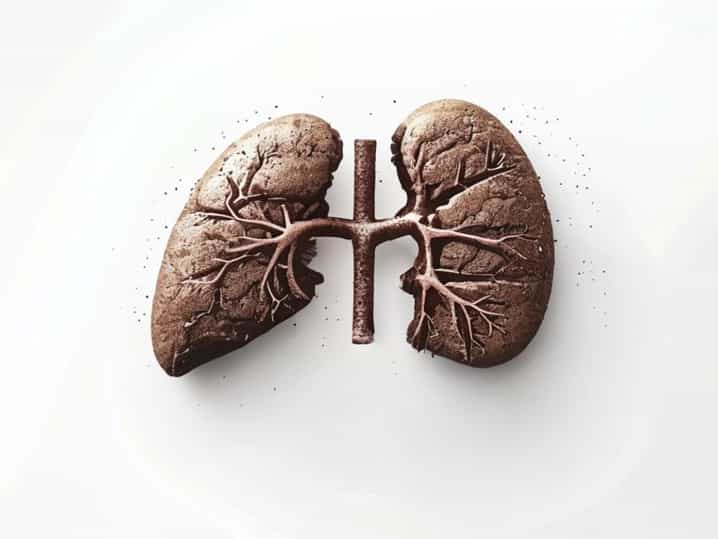
Mold is a natural part of the environment, found in soil, air, and decaying organic matter. While many types of mold are harmless, some can produce toxic substances that pose serious health risks to humans and animals. One of the most concerning dangers linked to mold exposure is a substance created by mold that damages the liver. This topic is especially important because these substances can enter the body through food, sometimes without obvious signs of contamination. Understanding what these substances are, how they affect the liver, and how exposure can be prevented helps raise awareness and protect public health.
What Are Mold Toxins?
Certain molds produce toxic chemical compounds known as mycotoxins. These are secondary metabolites that molds create as part of their survival mechanism. Mycotoxins are not living organisms themselves, but they can remain in food products even after the mold is no longer visible.
Many mycotoxins are harmful, but some are particularly dangerous because they target vital organs. A substance created by mold that damages the liver is often associated with long-term health problems, especially when exposure occurs repeatedly over time.
The Liver and Its Vulnerability
The liver plays a central role in detoxifying harmful substances from the body. It processes chemicals, breaks down toxins, and helps regulate metabolism. Because of this role, the liver is especially vulnerable to toxic compounds such as mycotoxins.
When a toxic substance enters the body, the liver is often the first organ to process it. Repeated or high-level exposure to certain mold toxins can overwhelm the liver’s protective mechanisms, leading to damage.
Aflatoxin A Well-Known Mold Toxin
One of the most widely known examples of a substance created by mold that damages the liver is aflatoxin. Aflatoxins are produced by specific species of mold, particularly Aspergillus flavus and Aspergillus parasiticus.
These molds commonly grow on crops such as corn, peanuts, rice, and other grains, especially when stored in warm and humid conditions.
How Aflatoxin Affects the Liver
Aflatoxin is considered highly toxic to the liver. Once ingested, it is metabolized in the liver into reactive compounds that can damage liver cells. Over time, this damage can lead to inflammation, scarring, and impaired liver function.
In severe cases, long-term exposure to aflatoxin has been linked to liver cancer. This makes it one of the most dangerous mycotoxins known to science.
Other Mold Substances That Can Harm the Liver
While aflatoxin is the most famous example, it is not the only substance created by mold that damages the liver. Other mycotoxins may also contribute to liver toxicity.
Ochratoxin A
Ochratoxin A is produced by certain Aspergillus and Penicillium species. It is commonly found in improperly stored grains, coffee, and dried fruits.
Although it is primarily associated with kidney damage, studies suggest it may also contribute to liver stress and dysfunction when exposure is prolonged.
Fumonisins
Fumonisins are produced by molds that grow on corn. These toxins are more commonly linked to digestive and neurological effects, but they may also interfere with liver metabolism.
The combined effect of multiple mycotoxins can increase the burden on the liver.
How People Are Exposed to Mold Toxins
Exposure to a substance created by mold that damages the liver most often occurs through food consumption. Mold-contaminated food may not always look or smell spoiled, making exposure difficult to detect.
In some cases, animal products such as milk or meat may contain low levels of mycotoxins if animals consumed contaminated feed.
Health Effects of Liver Damage
Liver damage caused by mold toxins can range from mild to severe. Early symptoms may include fatigue, nausea, and abdominal discomfort. These signs are often vague and easy to overlook.
With ongoing exposure, more serious conditions such as chronic liver disease or increased cancer risk may develop. Children and individuals with existing liver conditions are particularly vulnerable.
How Food Safety Reduces Risk
Food safety regulations play a critical role in limiting exposure to harmful mold toxins. Many countries set strict limits on allowable levels of mycotoxins in food products.
Regular testing, proper storage conditions, and quality control help reduce the presence of dangerous substances before food reaches consumers.
Prevention at Home
While large-scale controls are important, individuals can also take steps to reduce their risk. Proper food storage is one of the most effective strategies.
- Store grains and nuts in cool, dry conditions
- Avoid consuming food that shows visible mold
- Discard food with a musty or unusual smell
- Rotate stored foods to prevent long-term storage
Cooking does not always destroy mycotoxins, so prevention is better than relying on preparation methods.
The Global Impact of Mold Toxins
In many parts of the world, mold toxins are a major public health concern. Regions with hot, humid climates face higher risks due to favorable conditions for mold growth.
In developing areas, limited access to proper storage facilities increases exposure risk, making liver-damaging mold substances a serious issue for food security.
Scientific Research and Ongoing Studies
Researchers continue to study how mold toxins affect the liver at the cellular level. Advances in detection methods allow scientists to identify even small amounts of harmful substances in food.
This research supports better regulations and helps develop strategies to protect both human and animal health.
Why Awareness Matters
Understanding that a substance created by mold can damage the liver helps people take food safety more seriously. Awareness encourages better storage practices, careful food inspection, and support for public health measures.
Education also helps reduce panic by replacing fear with practical knowledge.
A substance created by mold that damages the liver, such as aflatoxin, represents a hidden but significant health risk. These toxins can enter the body through contaminated food and cause serious liver damage over time.
Through proper food handling, strong safety regulations, and increased awareness, the risk of exposure can be greatly reduced. Understanding mold toxins and their effects empowers individuals and communities to make safer choices and protect long-term health.