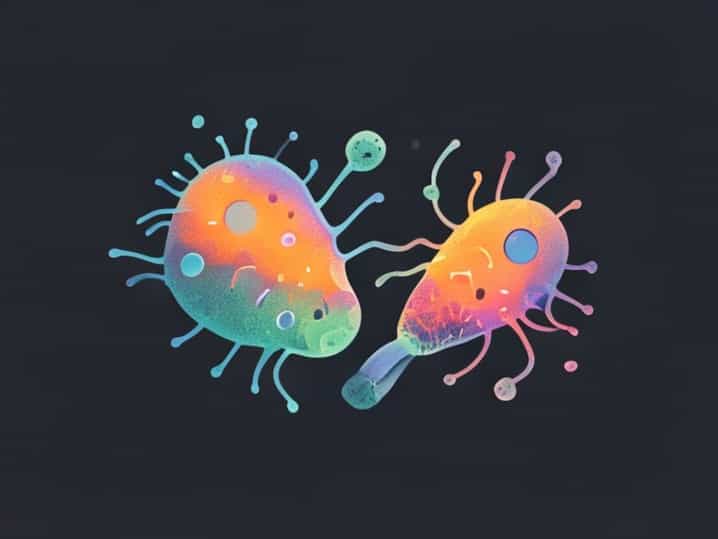
Protozoa are single-celled microorganisms that play an essential role in aquatic and soil ecosystems. One of their most important functions is controlling bacterial populations, which they achieve through a process known as phagocytosis. This process allows protozoa to engulf and digest bacteria, obtaining nutrients and energy for growth and reproduction. Understanding how protozoa engulf bacteria not only reveals critical insights into microbial ecology but also helps explain nutrient cycling, food web dynamics, and the interactions between microorganisms in natural and artificial environments. Phagocytosis is a fascinating example of how even single-celled organisms can exhibit complex behavior to survive and thrive in diverse habitats.
Definition of Phagocytosis
Phagocytosis is a cellular process in which a cell engulfs solid ptopics, such as bacteria, dead cells, or organic debris, to form an internal compartment called a phagosome. In protozoa, phagocytosis is the primary method for feeding and obtaining nutrients. The cell membrane surrounds the target ptopic and folds inward, enclosing it within the cell. Once inside, enzymes and acidic conditions break down the ingested material into simpler compounds that the protozoa can utilize for energy and growth. This process highlights the protozoa’s ability to actively interact with their environment to acquire essential nutrients.
Steps of Phagocytosis in Protozoa
- RecognitionThe protozoan identifies the bacterial target, often through chemical signals or surface markers.
- EngulfmentThe cell membrane extends pseudopodia, surrounding the bacterium and forming a phagosome.
- DigestionLysosomes fuse with the phagosome, releasing digestive enzymes that break down the bacterial cell.
- AbsorptionThe nutrients released from the digested bacteria are absorbed into the cytoplasm for use in metabolism.
- ExcretionUndigested waste materials are expelled from the cell.
Importance of Phagocytosis in Protozoa
Phagocytosis is not only a feeding mechanism for protozoa but also a critical ecological process. By consuming bacteria, protozoa help regulate microbial populations, preventing bacterial overgrowth in ecosystems. This process contributes to nutrient recycling, as the breakdown of bacteria releases minerals and organic compounds back into the environment. Additionally, phagocytosis plays a role in the food web, linking microorganisms to higher trophic levels. Protozoa themselves are prey for larger organisms, and their activity affects the overall energy flow and ecological balance.
Ecological Roles of Protozoa Phagocytosis
- Maintaining bacterial populations and preventing harmful overgrowth in aquatic systems.
- Recycling nutrients such as nitrogen and phosphorus, which are released during bacterial digestion.
- Supporting the food chain by serving as a nutrient source for small invertebrates and other microorganisms.
- Influencing microbial diversity by selectively feeding on specific bacterial species.
Types of Protozoa That Engulf Bacteria
Several groups of protozoa exhibit phagocytosis to feed on bacteria. These include ciliates, amoebas, and flagellates. Each group has specialized adaptations that allow them to capture and ingest bacterial cells efficiently. Amoebas use flexible pseudopodia to surround their prey, while ciliates employ hair-like cilia to sweep bacteria toward the cell mouth. Flagellates often create water currents to direct bacteria toward their feeding structures. These adaptations demonstrate the diverse strategies protozoa have evolved to consume bacteria and thrive in various habitats.
Examples of Protozoa Engulfing Bacteria
- Amoeba proteusUses pseudopodia to engulf bacterial cells directly.
- Paramecium speciesCiliated protozoa that sweep bacteria into their oral groove.
- Flagellates like EuglenaCan capture bacteria using specialized feeding currents.
Phagocytosis vs Other Feeding Mechanisms
While phagocytosis is common in protozoa, it differs from other microbial feeding methods such as osmotrophy or pinocytosis. Osmotrophy involves absorbing dissolved organic molecules through the cell membrane, while pinocytosis is the ingestion of liquid droplets. Phagocytosis specifically targets solid ptopics, allowing protozoa to consume bacteria and particulate matter. This distinction is important because it highlights the protozoa’s role as active predators within microbial ecosystems, rather than passive consumers of dissolved nutrients.
Comparison Table
- PhagocytosisIngestion of solid ptopics like bacteria.
- OsmotrophyAbsorption of dissolved nutrients from the environment.
- PinocytosisIngestion of liquid droplets or suspended solutes.
Applications and Research Implications
Understanding how protozoa engulf bacteria through phagocytosis has practical applications in microbiology, environmental science, and medicine. Researchers study protozoan feeding behavior to understand nutrient cycles in ecosystems and to monitor bacterial populations in water treatment facilities. In medical research, some protozoa serve as models for studying phagocytosis mechanisms relevant to human immune cells, such as macrophages. Insights gained from protozoa help scientists develop strategies for controlling bacterial growth and understanding host-pathogen interactions.
Practical Implications
- Monitoring protozoa in wastewater treatment to control bacterial contamination.
- Studying protozoan phagocytosis to better understand human immune responses.
- Investigating protozoa-bacteria interactions to develop new ecological management strategies.
- Using protozoa as bioindicators of environmental health and microbial balance.
Challenges in Studying Phagocytosis
Although phagocytosis is well-known, studying the process in protozoa presents challenges. Protozoa are microscopic and often inhabit complex environments, making direct observation difficult. Advanced microscopy and molecular techniques are required to track bacterial ingestion and digestion accurately. Additionally, different protozoan species exhibit variations in phagocytosis efficiency and preference, complicating comparative studies. Despite these challenges, research continues to provide valuable insights into the ecological and biological significance of protozoa-bacteria interactions.
Challenges Summary
- Microscopic size of protozoa complicates direct observation of phagocytosis.
- Diverse feeding mechanisms among species require species-specific study approaches.
- Complex environmental conditions influence bacterial availability and ingestion rates.
- Monitoring digestion and nutrient assimilation requires advanced imaging and molecular tools.
Protozoa engulf bacteria by a process known as phagocytosis, which is vital for their survival and ecological function. Through phagocytosis, protozoa obtain nutrients, regulate bacterial populations, and contribute to nutrient cycling in various ecosystems. The process involves recognition, engulfment, digestion, absorption, and waste excretion, demonstrating remarkable cellular coordination for a single-celled organism. Studying phagocytosis in protozoa provides insights into microbial ecology, environmental management, and even human biology. By understanding how protozoa interact with bacteria, researchers can better appreciate the complexity of microbial ecosystems and the critical role these organisms play in maintaining ecological balance.